Rheumatoid Arthritis Associated With Other Chronic Diseases

February 3, 2020 by Emily Grant

A new study says rheumatoid arthritis is associated with other diseases like diabetes and heart disease, irritable bowel disease (IBD), sleep apnea and blood clots.

Rheumatoid arthritis, often known as RA, is a disease of the joints that is characterized by pain and inflammation. About 1.5 million Americans have RA, and women are three times more likely to develop the condition than men.

RA can cause many symptoms unrelated to the joints such as fatigue, weight loss and fever, and it can lead to many complications throughout the body.

A study by the Mayo Clinic found people who already had chronic diseases like Type 1 diabetes, blood clots or inflammatory bowel disease may be more likely to develop RA. The study also found patients with RA are more susceptible to developing blood clots, heart disease and sleep apnea.

Vanessa Kronzer, M.D., a rheumatology clinician investigator fellow at Mayo Clinic, was the corresponding author of the study. She said chronic health issues “accumulate in an accelerated fashion after diagnosis of rheumatoid arthritis.” Autoimmune diseases and epilepsy can make individuals more prone to RA, and RA could be a precursor to heart disease and other systemic disorders.

One of the most significant findings of the study was that there was a strong correlation between patients with Type 1 diabetes developing RA. This could help doctors be vigilant in looking for signs of RA in patients with autoimmune disorders. Blood clots were also common in RA cases before diagnosis. This leads researchers to conclude systemic inflammation might begin before RA symptoms manifest.

“Our findings suggest that people with certain conditions, such as Type 1 diabetes or inflammatory bowel disease, should be carefully monitored for rheumatoid arthritis,” Dr. Kronzer explained. “In addition, people who have rheumatoid arthritis, and their health care providers, should have heightened suspicion and a low threshold to screen for cardiovascular disease, blood clots and sleep apnea.”

Symptoms of Rheumatoid Arthritis

Call your doctor if you develop warning signs of rheumatoid arthritis. These may include:

  • Joint pain, swelling, stiffness or tenderness for six weeks or longer
  • Morning stiffness in the joints for 30 minutes or longer
  • Pain and stiffness in corresponding joints (right and left hands, right and left wrists, etc.)

Undiagnosed RA increases the risk for other chronic diseases, so make an appointment with your doctor if you are experiencing joint problems. Early diagnosis of RA will lead to quick intervention and can prevent other chronic illnesses.

Filed Under: News Tagged With: ortho

New Study Finds Air Pollution Affects Glaucoma Risk

February 3, 2020 by Emily Grant

A new study from University College London suggests living in more polluted areas increases risk for glaucoma, a common cause of vision loss.

The study, led by Paul Foster, Ph.D., professor of ophthalmic epidemiology and glaucoma studies at UCL Institute of Ophthalmology and Moorfields Eye Hospital, examined data from 111,000 people across Great Britain who had their eyes examined between 2006 to 2010. The researchers found people who lived in the top 25 percent most-polluted areas were at least six percent more likely to say they had glaucoma than people in the least polluted areas.

Particulate Matter and Air Quality

Air quality is measured by amounts of particulate matter, the sum of all solid and liquid particles suspended in air molecules. Particulate matter can include pollen, dust, smoke, soot, and both organic and inorganic particles.

Poor air quality increases risk for lung and heart disease, stroke, Alzheimer’s disease and Parkinson’s disease. In fact, exposure to particulate matter is one of the strongest predictors of mortality due to air pollutants.

Few studies analyze the relationship between pollution and glaucoma. However, ninety percent of the Earth’s population breathes air that is above the World Health Organization’s limits for air pollution.

Air Pollution and Glaucoma

People who lived in more polluted areas were also more likely to have a thinner retina, a typical symptom of glaucoma progression. Pollution did not seem to affect inner eye pressure, the mechanism researchers usually associate with glaucoma progression. The team concluded air pollution must influence glaucoma development through a different route.

The researchers were not sure why particulate matter increased glaucoma incidence. Sharon Chua, Ph.D., a research fellow at the UCL Institute of Ophthalmology and Moorfields Eye Hospital suspected, “Air pollution may be contributing to glaucoma due to the constriction of blood vessels, which ties into air pollution’s links to an increased risk of heart problems. Another possibility is that particulates may have a direct toxic effect damaging the nervous system and contributing to inflammation.”

Glaucoma Risk Factors

According to the Glaucoma Research Foundation, more than three million Americans have glaucoma but only half are aware they have it. Often, there are no warning signs, and patients can suffer permanent vision loss before they notice any glaucoma symptoms. For this reason, glaucoma is nicknamed “the sneak thief of sight.”

Besides air pollution, many glaucoma risk factors can increase the likelihood of developing the disease. These may include:

  • High eye pressure
  • Family history of glaucoma
  • Older age
  • Thin cornea

Take a moment to complete our Glaucoma Risk Assessment. In a matter of seconds, you can find out whether you are at elevated risk for vision loss.

Make a Comprehensive Eye Exam Appointment

At your annual comprehensive eye exam, your ophthalmologist will evaluate your vision health and test your eyes for degenerative conditions like glaucoma, cataracts and macular degeneration. Do not wait for glaucoma symptoms to appear before you make an appointment for an eye exam. Good vision requires regular maintenance, so call your doctor to schedule a full eye examination.

Filed Under: News Tagged With: eye

Physicians Play a Key Role in Colon Cancer Screening Rates

February 3, 2020 by Emily Grant

According to a study in Ontario, Canada, you are more likely to get a colonoscopy if your family doctor has undergone screening.

The Centers for Disease Control estimates that one out of three American adults who are due for colorectal cancer screenings are not getting screened. There can be many reasons patients avoid preventive colonoscopy screenings. Patients may neglect colorectal cancer screenings because they:

  • Do not carry health insurance
  • Have limited contact with or do not have a primary care physician
  • Have not been advised by their primary care physician to be screened
  • Lack the proper information on how to be screened

When Physicians Get Screened, Patients Get Screened

Amit X. Garg, M.D., Ph.D., and fellow research colleagues at Western University in Canada administered a population-based study that sought to find a connection between colorectal cancer screening rates among physicians and their patients in Ontario, Canada.

Dr. Garg found that the colonoscopy rate was 67.9 percent among physicians and 66.6 percent among patients. The research team found patients were more likely to comply with colonoscopy when they were aware that their family doctors had undergone colonoscopy screenings themselves.

The study suggests family doctors have a significant influence on their patients’ decision to get screened for colon cancer. If doctors disclose that they have already chosen colon cancer screening, their patients will be more likely to follow their example.

“Conversely, many physicians report difficulty counseling patients about behaviors they do not practice themselves,” the researchers stated in their report. “Given the clear benefits of colorectal cancer screening, programs that promote greater screening in physicians warrant consideration.”

Make Your Colonoscopy Screening Appointment

A colonoscopy is one of the most effective preventive screenings because it stops colon cancer before it starts. During a colonoscopy, the doctor can carefully inspect the entire colon lining for polyps and can remove any suspicious growths so they do not become cancerous. No other colon screening offers the protective benefits of colonoscopy. This screening is also effective in diagnosing digestive disorders like diverticulitis, diverticulosis, Crohn’s disease and ulcerative colitis.

Make an appointment today for a colonoscopy and make your digestive health a priority this year. A few hours can offer up to ten years of protection against colon cancer, so call your gastroenterologist.

Filed Under: News Tagged With: gi

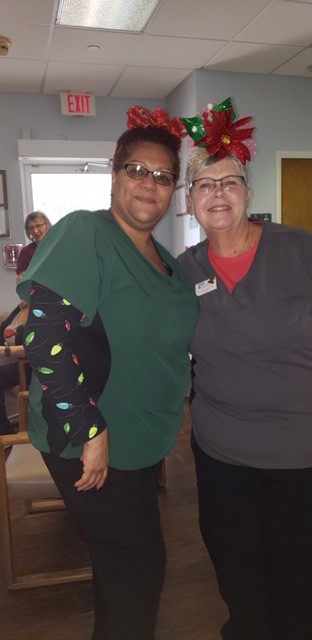
Eye Surgery and Laser Center Christmas Celebration 2019

January 8, 2020 by Emily Grant

We have so much for which to be thankful, so we made this the theme of our 2019 Christmas celebration. Our focus was on, “What or Who We Are Thankful For.”

Filed Under: News Tagged With: 2123

Will Smith, Colonoscopies and Colon Cancer Myths

January 6, 2020 by Emily Grant

You may think you do not need a colonoscopy because you feel healthy. Will Smith made the same assumption, but he was wrong.

Will Smith Makes Colonoscopy Vlog for Fans

Smith, 51, was a little late in scheduling his first colonoscopy. The U.S. Preventative Services Task force recommends adults begin colon cancer screening at age 50, but African Americans should get screened earlier. In fact, the American Cancer Society suggests colon cancer screening for all adults at average risk for colon cancer should begin at age 45 because young onset colon cancer incidence has steadily increased each year.

As a joke, Smith decided to create a colonoscopy vlog for his YouTube channel. He felt perfectly healthy, and he thought his video would amuse his fans. “I’m 50,” he said, “so people need to look up my stuff.”

After the procedure, Smith thought everything was normal. A few days later, he received a phone call from his gastroenterologist, Dr. Ala Stanford, saying he had a “tubular adenoma with precancerous tissue.” The doctor explained to Smith that he had a type of precancerous colon polyp, a small abnormal growth in the colon. She said many people have the faulty assumption that colon disease always has noticeable symptoms.

“Had you not known, it continues to grow and grow and grow,” Dr. Stanford said. “And African American men in particular, the right colon is where cancer is high. … You would’ve had fewer typical symptoms. And by the time you presented, it could be full-blown and spread throughout your body.”

Smith said, “You know, when I decided I wanted to shoot this as a vlog, it was much more, ‘Hey, this will be cool. This will be fun.’ I didn’t realize that there would be a precancerous polyp that would get found out of it.”

Common Colon Cancer Myths

Today, colon cancer is the third-leading cause of cancer death in the United States. However, most cases of colon cancer are preventable with routine screening. Unfortunately, many Americans believe common myths about colon cancer like these:

Colon Cancer Myth Colon Cancer Truth
“Only older people get colon cancer.” No age is too young to develop colon cancer.
“All colon cancer screenings are the same.” Only colonoscopy can inspect the lining of the colon and remove precancerous polyps. It is the only screening that prevents colon cancer.
“Colon screening is too expensive.” Preventing colon cancer is less expensive than treating colon cancer, and most colon screenings are covered by insurance.
“Colonoscopies take too much time.” A colonoscopy appointment only takes a few hours.
“I feel fine. I do not have colon cancer.” Some colon cancer only shows symptoms in late stages.

Avoid falling prey to these colon cancer myths. Follow Will Smith’s example, call your gastroenterologist and get screened today.

Filed Under: News Tagged With: gi

Ideal Blood Pressure Range and Glaucoma

January 6, 2020 by Emily Grant

A 2018 study suggests blood pressure that is not too high or low could help reduce the risk of glaucoma, a common cause of vision loss and blindness.

Researchers have known that blood pressure and glaucoma are connected. Hypotension, or low blood pressure, is a risk factor for open-angle glaucoma. High blood pressure, or hypertension, is another known glaucoma risk factor. A study published in the American Journal of Hypertension suggests maintaining a blood pressure that is somewhere in the middle is best for preventing glaucoma. Scientists refer to this optimum blood pressure range as the “Goldilocks scenario.”

What is the Optimum Blood Pressure Range?

The study included more than 4,000 participants ages 40 or over from the 2005 to 2008 National Health and Nutrition Examination Surveys (NHANES). Standard blood pressure readings are measured in milligrams of mercury (mmHg), with the diastolic blood pressure reading on top and the systolic blood pressure on the bottom.

Glaucoma incidence increased when the systolic blood pressure (the reading on bottom) was greater than or equal to 161 mmHg or less than or equal to 110 mmHg. In other words, having high or low blood pressure increased glaucoma incidence.

Patients with diastolic blood pressure between 81 mmHg and 90 mmHg and systolic blood pressure between 111 mmHg and 120 mmHg were the least likely to develop glaucoma. This blood pressure range is referred to as the “Goldilocks scenario.”

What is Your Glaucoma Risk?

Everyone has an ideal blood pressure, so your optimum blood pressure range may be too high or too low for someone else. The best way to prevent glaucoma is to schedule routine comprehensive eye exams with your eye doctor. Your doctor will perform many tests during your exam to evaluate your eye health, and one of these is a glaucoma test.

In the future, eye doctors may include blood pressure readings as part of glaucoma evaluation. This measure may prove to be a simple, quick method of determining one of many risk factors for glaucoma. Other glaucoma risk factors include:

  • Family history of the disease
  • Diabetes
  • Eye injury or eye surgery
  • Severe myopia (nearsightedness)
  • Steroid use

Most eye conditions do not show symptoms in early stages, so it is imperative to visit your eye doctor regularly for healthy vision. Along with having yearly eye exams, you should also have annual well visits with your primary care physician for routine checks, preventative screenings and lab work.

If it has been more than a year since your last comprehensive eye exam, call your ophthalmologist today to schedule an appointment.

Filed Under: News Tagged With: eye

Women Are More Likely to Develop Carpal Tunnel Syndrome

January 6, 2020 by Emily Grant

Are you experiencing pain, burning or tingling in your hand? You could be suffering from carpal tunnel syndrome, one of the most common conditions among working adults. According to a recent article, women are three times more likely to develop carpal tunnel syndrome than men.

Carpal Tunnel Syndrome Explained

The carpal tunnel is a thin channel made of bone and ligaments located along the bottom of the wrist. When this passage narrows or collapses, it squeezes the median nerve which helps control sensations and touch. Median nerve compression can cause symptoms of pain, burning or tingling in the thumb, fingers, hand and arm.

Why Are Women More Prone to Carpal Tunnel Syndrome?

Anyone can develop carpal tunnel syndrome, but women are more likely to develop the condition than men. Perhaps this is due to hormonal changes that could affect fluid retention, especially during pregnancy or menopause. Swelling can reduce available space in the carpal tunnel and compress the median nerve.

An imbalance in the endocrine system like an underactive thyroid can also affect the risk for carpal tunnel syndrome. According to American Thyroid Association, more than 12 percent of women will develop a thyroid disorder during their lifetimes. Women are five to eight times more likely than men to have thyroid issues, which could be a key factor in why more women have carpal tunnel syndrome.

Factors that Increase Your Risk for Carpal Tunnel Syndrome

Besides hormonal imbalance, many factors can influence your risk for carpal tunnel syndrome including:

  • Heredity — some peoples’ genes make them more likely to develop carpal tunnel syndrome
  • Hypertension, diabetes or obesity — these conditions can increase fluid retention
  • Overuse of the wrist — small, repetitive movements like typing, using a mouse or working on an assembly line can strain ligaments in the hand
  • Mechanical problems in the wrist — rheumatoid arthritis and previous wrist injury can cause inflammation of the carpal tunnel
  • Cyst or tumor — a growth can impinge the carpal tunnel
  • Using vibrating hand tools

Call Your Doctor for a Carpal Tunnel Evaluation

Wrist and hand irritation can sometimes go away on its own. However, if you are experiencing these symptoms, it is time to call a doctor:

  • Burning, tingling or itchiness in the hand, palm or fingers (especially the thumb, index and middle finger)
  • Dropping objects
  • Decreased grip strength
  • Sensation of swollen fingers
  • Difficulty sensing hot and cold in the hand
  • Sleeping with your wrists flexed
  • Shaking your hands out after sleep

Do not let carpal tunnel restrict your lifestyle and schedule. One of our hand specialists can provide you a full evaluation and treatment plan so you can resume your normal activities without pain. Our doctors can prescribe a specific treatment catered to your unique needs, so call our office today to make an appointment.

Filed Under: News Tagged With: ortho

Gather Social Support Before Total Joint Replacement Surgery

December 2, 2019 by Emily Grant

If you are getting ready for a total hip or total knee replacement, you might want to assess your social support network. A new study from the University of Bristol suggests social support plays a crucial role in total hip or total knee replacement recovery.

Total joint replacement is one of the most common surgeries in the United States. Although most total hip and total knee replacement surgeries are successful, between 10 and 30 percent of patients experience long-term pain or long-term mobility challenges during recovery. Chronic pain and social isolation can cause feelings of loneliness and depression.

Friendships Aid in Total Joint Replacement Recovery

Vikki Wylde, Ph.D., of the University of Bristol, analyzed the effects of social support on total joint replacement. She and her colleagues examined more than 50 cohort studies and found strong social connections and friendships can help a recovering patient to:

  • Cope with stress
  • Reduce loneliness
  • Receive psychological support
  • Gather resources to facilitate recovery
  • Gain confidence to resume normal activities

Dr. Wylde and her colleagues suggest total joint replacement patients seek group-based physical therapy and educational sessions during the recovery period. Group rehabilitation increases social interaction and could improve recovery outcomes. Wylde also advises patients to share information about surgery and recovery with spouses and family members so they can provide necessary encouragement and support.

Assess Your Social Network

Are you considering a total hip or total knee replacement? Perhaps it is time to reassess your social network. Instead of relying solely on virtual support through Facebook, Instagram or Twitter, ask a close-knit group of trusted family members and friends to visit you in person and assist you through the recovery process. Friends and loved ones will likely be happy to provide support, but might just need you to take the initiative and ask them for help.

Create a Wish List for Total Joint Replacement Recovery

Several weeks before your surgery, create a wish list for family and friends. On the list include specific tasks, services or gifts your loved ones can provide to encourage and help you throughout your recovery process. Your requests might include:

  • Visits to your home (for local friends)
  • FaceTime calls (for out-of-town friends and family)
  • Encouraging cards and emails
  • A Meal Train
  • Gift cards for take-out and delivery restaurants
  • Flower delivery
  • Grocery delivery
  • Care packages
  • Board games, movies and puzzles (through Amazon)

Give your family and friends the opportunity to help you. They will likely appreciate your guidance on how to best support you so you have a healthy and rapid recovery.

Talk to your doctor about more ways you can lean on your social network during total joint replacement recovery. Call today to make an appointment.

Filed Under: News Tagged With: ortho

Cataract Surgery and Microstent Effectively Treat Glaucoma

December 2, 2019 by Emily Grant

If you have cataracts and mild to moderate glaucoma, you may be a candidate for a microstent in conjunction with cataract surgery. According to an article published in Ophthalmology Times, intraocular pressure, or IOP, can often be reduced through this safe, routine procedure.

Cataracts and glaucoma are the leading causes of vision loss and blindness. Age is one of the most common risk factors for these diseases, so it is not uncommon for aging adults to develop both cataracts and glaucoma.

Although cataracts and glaucoma can develop simultaneously, they require different types of treatment. Cataracts are easily treatable through cataract surgery, a short procedure that replaces the deteriorated lens with a new one. Glaucoma, on the other hand, has no cure and rarely has symptoms until vision loss occurs. Your eye doctor’s goal is to use safe, efficient surgical methods to lower inner eye pressure and insert a new, clear lens called an intraocular lens (IOL).

Some patients may benefit from the insertion of microstent in conjunction with cataract surgery. A microstent is not appropriate for all glaucoma patients, but it may be right for you.

What is a Microstent?

There are many brands of microstents, but most function in a similar way. A microstent is about the size of an eyelash, and patients cannot feel it or see it in the eye. The effects are quite remarkable because this tiny device opens up the drainage canal in the eye to lower eye pressure. When eye pressure remains in a safe range, there is less risk of optic nerve damage and vision loss.

A microstent often pairs well with cataract surgery because the surgeon can use the same incision for two procedures.  Randomized studies found stents can significantly lower patients’ eye pressure and reduce the need for medication and eye drops.

Call Your Ophthalmologist

Do you have cataracts and glaucoma? Talk to your ophthalmologist about whether you are a candidate for a microstent in conjunction with cataract surgery. One procedure could provide clear vision, reduced eye pressure and less dependence on glaucoma drops. Your eye doctor can create an individual treatment plan that is customized to your vision needs. There are many factors that will affect the type of surgery and timing of the surgery. These may include:

  • Your age
  • Your physical health
  • How active you are
  • The type of glaucoma you have and how aggressive it is
  • The progression of your cataract

Your eye doctor may prefer to manage your glaucoma with medication or laser treatment until the cataract matures. Sometimes, just having cataract surgery may be sufficient to lower intraocular pressure and relieve symptoms of glaucoma.

As with any eye procedure, it is important to discuss the risks and benefits of cataract and microstent surgery with your eye doctor, so call today to make an appointment.

Filed Under: News Tagged With: eye

Colonoscopy Protects Against Colon Cancer for 10 Years

December 2, 2019 by Emily Grant

A new study says colonoscopy offers at least ten years of protection against colon cancer mortality.

Colon cancer is one of the most common causes of cancer death in the United States, but it is preventable with routine colon cancer screenings. According to the American Cancer society, about half of all colon cancer mortality in the U.S. could be prevented if all adults scheduled timely colon cancer screenings.

Colonoscopy Reduces Colon Cancer Risk

There are many types of colon cancer screenings, but colonoscopy is the most effective method because it is the only test that can detect and remove colon cancer in the same procedure. Under current guidelines, patients who have a colonoscopy with normal findings should get screened again in ten years. However, is this still the best method for preventing colon cancer?

According to Jeffery K. Lee, M.D., MAS, patients should feel confident about the current recommendation of a minimum ten-year interval between colonoscopies with normal findings. Dr. Lee and colleagues examined data from a large-scale study that included more than 1.2 million individuals to assess when patients should schedule their next screening following a normal colonoscopy.

For patients who declined colonoscopy, colon cancer incidence and colon cancer-related death increased proportionally with follow-up time. Patients who chose regular colonoscopies had very favorable results. Average risk patients with normal colonoscopy test results were 46 percent less likely to develop colon cancer and 88 percent less likely to die of colon cancer when screened at recommended ten-year intervals.

“A minimum colorectal rescreening interval should be conducted at 10 years or possibly longer after a normal colonoscopy,” said Dr. Lee (Physicians Weekly).

When Should I Get Screened for Colon Cancer?

Your colon cancer screening interval depends on your risk for colon cancer. In May 2018, the American Cancer Society revised its colon cancer screening recommendations, suggesting all adults at average risk for colorectal cancer should schedule an initial screening at age 45 instead of age 50. The ACS altered the guideline because young-onset colon cancer incidence continues to increase, and this type of cancer tends to be aggressive and difficult to diagnose among the young.

Certain risk factors may increase your risk for colon cancer. Some of these risk factors include:

  • Age
  • Polyps (growths inside the colon and rectum) that may become cancerous
  • A high-fat diet
  • Family history of colon cancer or polyps
  • Inflammatory bowel diseases involving the colon
  • Sedentary lifestyle
  • Diabetes
  • Obesity
  • Smoking
  • Alcohol
  • Radiation therapy for cancer

When and How Often Should I Get Screened?

The best way to prevent colon cancer is to stay in regular contact with your primary care physician and your gastroenterologist. Your risk for colon cancer is unique to you. Ethnicity, family history and lifestyle habits influence your colon cancer risk, and these factors could influence your recommended colonoscopy interval.

After making an appointment with your GI doctor, call your insurance provider. Many insurance plans will not pay for a colonoscopy until 50 years of age, so call your provider to get the most up-to-date information about your policy. If you are at higher risk for colon cancer, your doctor may encourage you to get screened earlier. Keep in mind that a colon cancer screening today can prevent your risk of expensive medical bills in the future.

Filed Under: News Tagged With: gi

  • « Previous Page
  • 1
  • …
  • 37
  • 38
  • 39
  • 40
  • 41
  • Next Page »