Glaucoma: What You Don’t See Could Harm Your Vision

September 9, 2025 by Emily Grant

  • What is one of the leading causes of blindness in the U.S.?
  • What family of eye diseases is called the “sneak thief of sight”?
  • What eye condition damages the optic nerve, leading to permanent vision loss?

If you answered glaucoma for each of these questions, you are correct.

Glaucoma is one of the leading causes of blindness in the U.S. A 2022 study found the disease affects more than four million U.S. adults every year. Of those, about 1.5 million people had vision-affecting glaucoma.

During Healthy Aging Month, we should focus on steps to maintain clear vision as we get older. Learning more about conditions that affect our eyes, like glaucoma, helps us determine the best care to preserve our sight.

Researchers Study Eye Pressure

Glaucoma is a group of conditions that damage the optic nerve, the part of your eye that sends visual information to your brain.

Known as “the sneak thief of sight,” glaucoma can quietly damage your vision without any warning signs. By the time it’s diagnosed, permanent vision loss may have already occurred.

A recent study published in Ophthalmology Science, focuses on how elevated eye pressure changes blood vessels in the eye.

“If we can understand that, we can inform drug delivery to improve blood flow in the back of the eye,” Yi Hua, a University of Mississippi biomedical engineering professor, said in Medical Xpress. “That can slow down the progression of glaucoma.”

Researchers used advanced 3D imaging and glowing dye to track how blood flows through the eye at different pressure levels.

“By combining imaging techniques with 3D modeling, we gained a more comprehensive understanding of blood flow and oxygen distribution in the eye,” said Yuankai Lu, co-author of the study, in Medical Xpress. Lu is a postdoctoral researcher at the University of Pittsburgh.

The study showed extreme eye pressure resulted in a lack of oxygen in approximately 30 percent of the tissue in the optic nerve. According to the study, an oxygen deficit leads to cells dying and eventually loss of sight.

“The vision loss resulting from this damage cannot be recovered,” Ian Sigal, University of Pittsburgh associate professor of ophthalmology and bioengineering, said in Medical Xpress. “Hence, it is crucial to find ways to detect the disease and prevent the damage before it happens.”

Tests to Diagnose Glaucoma

Glaucoma does not have a cure. Vision loss caused by the disease cannot be restored. For most people, early detection through annual comprehensive eye exams and lifelong treatment can maintain vision.

During an exam, your eye doctor may use several tests to check for signs of glaucoma and other eye conditions. These tests measure the pressure inside your eye or intraocular pressure (IOP), your field of vision and the thickness of your cornea, which can affect eye pressure readings and help guide your care.

If glaucoma is found, your treatment plan may include prioritizing regular checkups and taking prescribed medication as directed.

Your eye doctor may also recommend one of several innovative procedures as part of your treatment. For example, Micro-Invasive Glaucoma Surgery (MIGS) targets areas of the eye that other surgeries don’t usually focus on, offering more choices for treatment.

Schedule Your Comprehensive Eye Exam

If you have certain risk factors for glaucoma, ophthalmologists may recommend comprehensive eye exams every six to 12 months for early detection.

You may be at risk for glaucoma if you are age 45 or older, have a family history of glaucoma, are a Black American, have diabetes, are nearsighted (myopic) or farsighted (hyperopic), or have a history of elevated intraocular pressure.

Healthy Aging Month reminds us that keeping our eyes healthy matters at every stage of our lives. During September, focus on eye care for yourself and your family. Schedule an appointment for a comprehensive eye exam today.

Filed Under: News Tagged With: eye

Dr. Supriya Rao Featured in NewsBreak: Expert Insight on Coffee and Crohn’s Disease

September 9, 2025 by Emily Grant

We’re pleased to share that Dr. Supriya Rao of Northeast Endoscopy Center was recently featured in a NewsBreak article titled “Is It Safe to Drink Coffee if You Have Crohn’s?”. The article explores how coffee consumption may affect individuals living with Crohn’s disease, a chronic inflammatory condition of the gastrointestinal tract.

Dr. Rao, a board-certified gastroenterologist, offered valuable insight into the variability of Crohn’s symptoms and the role diet can play in managing the condition. Her expertise helps readers better understand the complex relationship between diet and digestive health, especially for those navigating chronic GI conditions.

We thank Dr. Rao for sharing her expertise and helping to raise awareness around digestive health and chronic illness management.

Read the full article here.

Filed Under: News Tagged With: 2313

Dr. Chethan Ramprasad Shares Insight in National Health Article

September 8, 2025 by Emily Grant

We’re pleased to share that Dr. Chethan Ramprasad, gastroenterologist at Boston Endoscopy Center, was recently featured in a national article on StudyFinds.org. The article highlights research led by Dr. Ramprasad that explores how using smartphones while on the toilet may increase the risk of developing hemorrhoids.

This research helps raise awareness about how everyday habits — even ones we don’t think twice about — can affect our digestive health. Dr. Ramprasad’s contribution brings valuable knowledge to the conversation and supports our ongoing commitment to patient education and wellness.

We’re proud of Dr. Ramprasad’s work and the positive impact it’s making in helping people make informed choices about their health.

To learn more, read the full article here.

Filed Under: News Tagged With: 2261

From Heartburn to Colon Cancer: 7 Digestive Symptoms You Shouldn’t Ignore

September 4, 2025 by Emily Grant

When it comes to your health, your digestive system often sends out warning signals before small problems become big ones. Unfortunately, many people brush off gastrointestinal (GI) symptoms, dismissing them as “just something I ate” or “normal aging.”

But ignoring certain signs could mean missing early detection of lesser-known digestive conditions and serious conditions, including colon cancer.

Paying attention to these symptoms—and scheduling a visit with a gastroenterologist, since everyone should have a gastrointestinal doctor—can make all the difference.

Here are 7 digestive symptoms you should never ignore:

1. Frequent Heartburn or Acid Reflux

Occasional heartburn happens, but if you rely on antacids daily or experience symptoms more than twice a week, it may be gastroesophageal reflux disease (GERD). Left untreated, GERD can damage the esophagus and increase your risk of esophageal cancer.

2. Unexplained Abdominal Pain

Abdominal pain that persists or worsens could signal anything from ulcers to gallstones, or even inflammation in the intestines. A gastroenterologist can run simple tests to get to the root cause and get you on the path to feeling better.

3. Persistent Changes in Bowel Habits

If you notice chronic diarrhea, constipation, or a sudden change in stool shape or color, it’s worth checking out. Sometimes these symptoms point to irritable bowel syndrome (IBS), but they can also signal colon polyps or colorectal cancer.

4. Blood in Stool

This is one of the most important red flags. While blood in the stool may come from hemorrhoids, it can also indicate polyps, ulcers, or colon cancer. It’s never something to brush off, and the sooner we can determine the cause, the more effectively we can treat you.

5. Unexplained Weight Loss

Losing weight without trying may seem like a silver lining, but it could point to an underlying digestive condition like Crohn’s disease or celiac disease. Let’s determine the cause and find the best treatment for you.

6. Difficulty Swallowing

Struggling to swallow, feeling food get “stuck,” or experiencing pain or difficulty while swallowing should be evaluated and can be caused by something going on in your digestive tract, such esophageal strictures.

7. Family History of Colon Cancer or GI Disease

Even if you feel healthy, a strong family history means you should start colonoscopies earlier than age 45 (the standard recommendation). Preventive screening is the best defense, since colon cancer is preventable thanks to early detection through colonoscopies, and treatment.

Visit your Gastrointestinal Doctor

At Gastrointestinal Specialists, P.C. in Troy, Michigan, we’re here to help you understand when it’s time to see a gastroenterologist. Our team provides expert diagnosis and treatment in a patient-friendly environment. Plus, with our state-of-the-art on-site surgical center, you can schedule and complete your colonoscopy or other procedures more conveniently and cost-effectively than at a hospital.

Don’t ignore the signs. Schedule your appointment today to protect your health and your future.

Filed Under: News Tagged With: 2110

Center Doctors Named to Magazine’s “2025 Top Physicians” List

August 29, 2025 by Emily Grant

The Endo Center at Voorhees proudly announces that five of our board-certified gastroenterologists are on South Jersey Magazine’s 2025 Top Physicians list.

“No matter which area of medicine they practice, the doctors on this year’s Top Physicians list are recognized for not only caring for but also about their patients,” according to the magazine.

Honorees from our center named to this year’s list are as follows:

  • Neil Cohen, M.D.
  • Jack DeVita, M.D.
  • Krysta Johns-Keating, M.D.
  • Jared Lander, D.O.
  • Gary Levin, M.D.

“We’re proud to have such an exceptional team of physicians at The Endo Center at Voorhees,” said Center Administrator Laurie Noble. “Their dedication to outstanding patient care is truly commendable, and it’s always an honor to see their work recognized.”

Determining the Top Physicians List

To determine the Top Physicians list for 2025, South Jersey Magazine requested nominations from leading physicians and medical providers. Readers also were asked to nominate the medical professionals with whom they’ve had positive experiences.

Leading vote-getters in each specialty were “vetted using public sources of information to verify peer recognition, professional achievements, experience, honorable accolades and more,” according to the magazine.

About Our Center

The Endo Center at Voorhees is included in Newsweek’s list of America’s Best Ambulatory Surgery Centers 2025, based on our quality of care, performance data and peer recommendations, relative to in-state competition.

Patient experience scores at our center exceed the national average. Our ASC offers safe, high quality, cost-effective procedures with personalized care in a comfortable environment.

Our facility is licensed by the state and certified by the Centers for Medicare & Medicaid Services (CMS). We also undergo voluntary accreditation by the Accreditation Association for Ambulatory Health Care (AAAHC), a national organization that accredits more than 6,000 ambulatory healthcare settings.

Request an Appointment

Your gastrointestinal system deserves the best care. If you need a colonoscopy, flexible sigmoidoscopy or upper endoscopy, request an appointment today. Our highly skilled, board-certified physicians provide outstanding care to their patients every day.

Filed Under: News Tagged With: 2128

Rutgers Student Achieves 20/20 Vision With ICL Surgery

August 27, 2025 by Emily Grant

Musician Abi Titus expresses her love of music by playing concerts with her church worship band.

Behind the scenes, severe astigmatism and high nearsightedness made it challenging for her to read sheet music and tablature. For years, Titus adapted to her visual limitations and continued performing on stage.

“I spent a lot of extra time memorizing the music. It was so hard for me to read from a distance while also concentrating on playing,” she said. “I’m squinting. I can’t see the music I’m playing. I love playing all types of music, but that was definitely a struggle.”

Today, the 21-year-old Wayne, New Jersey, woman plays music with ease following EVO Implantable Collamer® Lens (ICL) surgery.

Patient Modifies Lifestyle to Combat Poor Vision

Most vision problems happen when the eye has trouble focusing light the right way. For Titus, nearsightedness made distant objects look blurry, and severe astigmatism distorted shapes and details.

Musician Abi Titus before her ICL surgeryGrowing up, Titus wore thick glasses with a strong prescription that changed frequently, but still she struggled to see clearly. Even with poor eyesight, she modified her lifestyle to achieve her goals.
“Driving was very difficult, especially reading street signs, reading license plates, even directions, too,” she said. “There were a lot of areas in which I struggled because of my vision. But I didn’t let it hold me back from my hobbies. I had to go the extra mile.”

Her vision challenges continued at the School of Engineering at Rutgers University — New Brunswick, where she studies chemical engineering.

“It was an ongoing conversation,” Titus said. “Am I going to get some kind of vision surgery so that I don’t have to be like this for the rest of my life?”

Last summer, her glasses broke while on a family trip to Niagara Falls, leaving her unable to see clearly. Titus told her parents it was time for vision correction surgery.

“I’m going to be on my own,” she said. “I can’t subject myself to an experience like this where my safety is compromised because I can’t see.”

Eye Exam Determines Vision Correction Option

To find a solution for her eyesight, Titus researched vision correction surgeries, including LASIK (Laser-Assisted In Situ Keratomileusis), PRK (Photorefractive Keratectomy) and ICL.

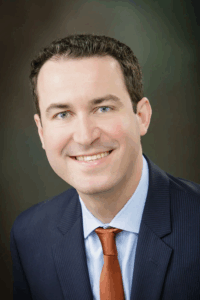
Dr. Adrian JachensLast winter, she scheduled an appointment with ophthalmologist Adrian Jachens, MD, to discuss her options. He conducted a full evaluation of her eyes to determine the best treatment for her vision.

“Refractive surgery evaluation ruled out LASIK and PRK for her,” Dr. Jachens said. “Then, we agreed that ICL would work well for her because she was a good candidate for it.”

Refractive surgeries, like LASIK and PRK, treat vision issues by surgically reshaping the cornea. By comparison, ICL is a minimally invasive, reversible vision correction procedure. During surgery, your doctor places a soft, biocompatible lens between your iris and natural lens.

“[ICL] is a really refined tool that is very safe, very effective,” Dr. Jachens said. “It really expands the amount of people that you can help in the realm of refractive surgery.”

Adults 21-45 years of age who are nearsighted, with and without astigmatism, are good candidates for ICL.

Titus Opts for ICL Surgery at ASC

Weeks after turning 21, Titus scheduled ICL surgery with Dr. Jachens on December 23 at an ambulatory surgery center (ASC). ASCs offer same-day procedures using advanced technology in a comfortable setting, often at reduced costs and with the convenience of recovering at home.

“Because this is intraocular surgery, you need a very sterile environment,” Dr. Jachens said. “The ambulatory surgical center experience is always going to be best for both surgeon and patient.”

Cataract surgery typically involves operating on one eye at a time, whereas doctors perform ICL surgery on both eyes during the same visit.

“We call it a bilateral procedure because we’re doing both eyes, but they’re not done at the same time,” Dr. Jachens said. “They are two entirely separate surgeries from soup to nuts. The real terminology is same day, sequential.”

Titus praised the ASC’s clinical staff for their attention during her surgery.

“They were very in tune to my needs, especially during the procedure,” she said.

The center released Titus to recover at home. She returned the next day, Christmas Eve, for her first post-op visit. Dr. Jachens revealed that Titus now had 20/20 vision in both eyes.

“It’s a miracle! Like, I was blind, but now I see,” Titus said. “I’m always plugging this to my friends, my colleagues, my peers, my family, everybody. I have to talk about it, and people love hearing about it as well.”

Dr. Jachens prescribed eye drops and instructed her to wear sunglasses for several days because of light sensitivity.

“She was a 100 percent success,” Dr. Jachens said. “It’s really cool because I don’t think people who have relatively good vision can appreciate just how debilitating that sort of myopia really is.”

Finding Vision Clarity and Personal Confidence

Eight months after ICL surgery, Titus reads musical notes with ease and plays her instruments with passion. Her sheet music and tablature are now as clear as her sight.

“With music I could catch up so much faster and play so much better because I could literally read what I was playing,” she said. “It wasn’t a concern. I could relax a little bit. It definitely contributed to a greater sense of ease overall in everything that I did.”

Getting ICL boosted Titus’ self-confidence and made it easier to read the board in class, which helped her focus better in her studies at Rutgers.

“It’s definitely given me an advantage that I didn’t have before, and I’m so grateful for that,” Titus said. “It’s definitely changed my life for the better.”

Dr. Jachens celebrates Titus’ results and her new life with clear vision.

“It was great getting to know her and being part of this journey for her,” he said. “I think, going forward, the rest of her life is just going to be so much better.”

Schedule Your Comprehensive Eye Exam

Your vision is an important part of your overall health. A comprehensive eye exam with dilation takes only an hour but provides a year of benefits. During the exam, your eye doctor will check for the following:

  • Refractive error: nearsighted, farsighted or astigmatism
  • Focusing problems, including presbyopia
  • Eye diseases, such as glaucoma, macular degeneration and cataracts

“Comprehensive eye exams are obviously very important,” Dr. Jachens said. “You go to your primary care doctor for checkups. You go to your dentist for checkups and cleaning. So, it’s just part of regularly scheduled maintenance of the human body.”

Are you interested in reducing your need for glasses or contact lenses? Do you need a procedure, like cataract surgery? Prioritize your vision and schedule a consultation or an eye exam with your ophthalmologist.


This article is designed for educational purposes only. The information provided should not be used for diagnosing or treating a health concern or disease. It is not a substitute for professional care. If you have or suspect you may have a health concern, you should consult your healthcare provider.

Filed Under: News Tagged With: eye

Dr. Sandhya Shukla Quoted in NewsBreak Article on Microplastics and Gut Health

August 21, 2025 by Emily Grant

We’re proud to highlight Dr. Sandhya Shukla of Advanced Endoscopy & Surgical Center, who was recently quoted in a NewsBreak article titled “Can Microplastics Affect Your Gut Health?”

In the article, Dr. Shukla discusses the potential impact of microplastics on digestive health and emphasizes the role of probiotics in mitigating these effects. She notes that probiotics may help reduce inflammation, strengthen the gut barrier, and support a balanced microbiome—key factors in protecting gut health from environmental stressors.

Dr. Shukla’s expert insight reflects our center’s commitment to advancing awareness and education around emerging health concerns.

Read the full article to learn more about how microplastics may influence gut health and what you can do to support your digestive system.

Filed Under: News Tagged With: 2321

Dr. Darlene Negbenebor Featured in Parade Article on Liver Health

August 21, 2025 by Emily Grant

Dr. Darlene Negbenebor of Diagnostic Endoscopy Center was recently quoted in a Parade article titled “One Common Habit That Could Be Damaging Your Liver, According to a Gastroenterologist.”

In the article, Dr. Negbenebor discusses how certain everyday habits, including poor dietary choices and alcohol consumption, can negatively impact liver health. Her expert insight helps raise awareness about the importance of maintaining a balanced lifestyle to protect liver function.

Dr. Negbenebor’s contribution reflects our commitment to providing trusted guidance and education in digestive wellness.

Read the full article to learn more about how your daily habits may be affecting your liver.

Filed Under: News Tagged With: 2273

Stay Strong as You Age: Make Wellness a Priority

August 12, 2025 by Emily Grant

Prioritizing healthy habits that support your muscles, joints and bones can have long-term effects on our bodies as we age. Use National Wellness Month as a reminder to eat well, move more and care for your body from the inside out.

Move More to Boost Your Health

Exercise is one of the best ways to support your overall health at any age. If you are not currently exercising, talk to your doctor before beginning a new fitness routine.

Health experts say most adults should aim for a minimum of 150 minutes of moderate aerobic activity per week. Example activities can include swimming, dancing or a brisk daily walk.

Staying active plays a key role in preventing weight gain, supporting bone density and enhancing coordination and balance, which helps lower the risk of falls as you age.

Improving sleep quality, reducing feelings of anxiety and reducing blood pressure are immediate health benefits adults may achieve with exercise.

Long-term benefits of exercise for adults include lowering risks of heart disease, stroke, type 2 diabetes and eight types of cancer. Experts attribute regular workouts to reducing risks of developing dementia (including Alzheimer’s disease) and depression.

Why Is Good Nutrition Important?

Eating right benefits your body and overall health. The Centers for Disease Control and Prevention reports that eating nutritious foods supports muscles, strengthens bones and helps you achieve and maintain a healthy weight.

Healthy eating keeps your skin, teeth and eyes healthy, boosts immunity and helps the digestive system function. Proper nutrition lowers the risk of heart disease, type 2 diabetes and some cancers.

For your musculoskeletal health, experts recommend eating a well-balanced diet of foods rich in nutrients such as calcium, vitamin D and protein.

Your age, sex, height, weight and physical activity level determines how many calories you need. Most women require about 1,600 to 2,200 calories a day. Most men need about 2,200 to 3,000 calories a day.

Simple Nutrition Tips to Fuel Your Body Right

A balanced diet starts with a variety of vegetables, including dark leafy greens as well as vibrant red and orange veggies. Fruits, especially whole fruits like apples, berries and oranges, are another essential part of a healthy diet.

  • Serving size: 2 cups raw or 1 cup cooked (lettuce, kale, spinach, greens); one small piece of fruit, one wedge of melon or 8 fluid ounces of 100 percent fruit juice

When it comes to grains, aim to make at least half of them whole grains, such as brown rice, oatmeal and whole wheat bread. Whole grains provide fiber and help you feel fuller longer, which supports better digestion and weight control.

  • Serving size: 1 slice of whole grain bread or 1/3 cup cooked rice

Fat-free or low-fat dairy products like milk, yogurt and cheese offer calcium and protein without the extra saturated fat. If you’re lactose-intolerant, try lactose-free options or fortified soy alternatives. Many of these products are fortified with vitamin D, which aids in the absorption of calcium.

  • Serving size: 1 cup nonfat or low-fat milk or 2 ounces cheese

Protein-rich foods include lean meats, poultry and eggs. Other options include seafood, beans, peas and lentils. Consider consuming nuts, seeds and soy products, as well.

  • Serving size: 2-3 ounces lean meat, skinless poultry or fish (size of a deck of cards)

Do You Have Joint Pain? Visit An Orthopedist.

During National Wellness Month, take time to focus on your health. Eating well and staying active can go a long way in supporting your body and improving your daily life.

If you’ve been dealing with joint pain or stiffness, check in with an orthopedic specialist and take the next step toward feeling better. Our board-certified physicians are accepting new patients. Schedule an appointment today.

Filed Under: News Tagged With: ortho

Dr. Joseph Shami Quoted in Best Life Article on Digestive Health

August 7, 2025 by Emily Grant

We’re proud to share that Dr. Joseph Shami of Gastroenterology Diagnostics of Northern New Jersey was recently featured in a Best Life article titled “Do You Have to Poop Every Day? Here’s What Doctors Say.”

In the article, Dr. Shami provides expert insight into digestive health, helping readers better understand what’s considered normal when it comes to bowel habits. His contribution reflects our ongoing commitment to patient education and personalized care.

Explore the full article and learn more about Dr. Shami’s perspective on digestive wellness: Read the article

We’re proud to see Dr. Shami’s expertise recognized in this important wellness conversation.

Filed Under: News Tagged With: 2328

  • « Previous Page
  • 1
  • 2
  • 3
  • 4
  • 5
  • 6
  • …
  • 41
  • Next Page »