Colonoscopy vs. At-Home Screening Kits: What’s the Best Option for You?

February 6, 2025 by Emily Grant

You’ve seen advertisements for at-home colon cancer screening kits—so are they worth it? When it comes to preventing colon cancer, the best approach is the one that ensures early detection: A colonoscopy.

Colon cancer is a preventable and treatable cancer—when caught early. While at-home tests may have their place, they’re not a substitute a colonoscopy, the gold standard in screening.

If you’re 45 or older, or have a family history or risk factors, you need a colonoscopy.

Let’s break down the differences between the two options and why making time for a colonoscopy might just save your life.

What’s the Difference Between a Colonoscopy and At-Home Kits?

At-home screening kits, like stool-based tests, are designed to detect potential signs of colon cancer or precancerous conditions in your stool.

These tests fall into two categories:

  • Fecal Immunochemical Test (FIT): Looks for blood in the stool.
  • DNA-based Tests: Detect abnormal DNA and blood associated with cancer or polyps.

While convenient, at-home tests only detect issues once they’re already present. They can’t prevent colon cancer by removing precancerous polyps, and false positives or negatives are not uncommon.

On the other hand, a colonoscopy is a procedure that allows a specialist to examine your colon using a tiny camera. During the procedure, any suspicious polyps or growths can be seen and removed on the spot, preventing them from turning into cancer later. It’s not just a diagnostic tool—it’s preventive care at its finest.

Why a Colonoscopy is Worth Your Time

Life is busy. Whether you’re juggling work, family, or both, carving out time for a doctor’s visit can feel impossible. But colonoscopies are the single best way to prevent colon cancer—and they only take a few hours out of your day.

Here’s why a colonoscopy is worth it:

  • It’s painless. Thanks to sedation, you won’t feel a thing during the procedure. Most patients say the prep is the hardest part—and even that’s manageable (check out this step-by-step guide on what to expect during your colonoscopy)
  • It’s comprehensive. A colonoscopy doesn’t just detect cancer; it prevents it by removing precancerous polyps. No other test does this. And you may have to do a follow-up with a colonoscopy anyway after results from an at-home test.
  • It’s convenient. At Gastrointestinal Specialists, P.C., we perform colonoscopies right here in our on-site surgical center. No need to navigate a crowded hospital system or deal with excessive wait times.
  • It’s efficient. You’ll be in and out in a few hours. After a short recovery period, you can get back to your routine.

Think of it as a small investment of time for peace of mind and a healthier future.

The Risks of Delaying or Choosing At-Home Tests

At-home tests may seem like the easier option, but they come with limitations.

  • False Negatives: At-home kits don’t always catch issues, especially if there’s no active bleeding or detectable DNA.
  • Missed Precancerous Polyps: These tests can’t remove polyps or even detect them most of the time.
  • Frequent Testing: You’ll need to repeat stool-based tests every one to three years, whereas a clean colonoscopy with no elevated risk factors requires a follow-up within 10 years.

Delaying screening altogether, however, is risky. Colon cancer often shows no symptoms until it’s present. A colonoscopy is the only way to ensure nothing is missed.

Preventive Care, Made Simple

We know life is busy. It’s hard to take time off work, rearrange your schedule, or even think about doing something you might not feel excited about. But at Gastrointestinal Specialists, P.C. in Troy, Mich., we’ve made it easy: Our on-site surgical center allows us to streamline the process, making your colonoscopy as smooth and stress-free as possible.

Contact us today to schedule your appointment.

Filed Under: News Tagged With: 2110

Five Tips for Safe Stretching to Manage Joint Pain

February 5, 2025 by Emily Grant

A recent study analyzed stretching to improve your flexibility, which could help reduce joint pain.

Why Do We Become Less Flexible As We Age?

Do your joints feel stiff when you wake up in the morning or throb after a long day on your feet? You may remember the days when your back, hips or knees didn’t ache and wonder how you got to this point.

Osteoarthritis (OA) is a progressive disease that causes joints to deteriorate. Aging, mechanical loading, injury and obesity can make osteoarthritis, rheumatoid arthritis (RA) and other forms of arthritis progress more quickly. The aging process also reduces the amount of synovial fluid in the joints, which lubricates them for easy mobility.

The Role Flexibility Plays in Joint Pain

Maintaining flexibility in the muscles and joints can help you remain independent in retirement years and older age. Whether you’re placing food dishes for a pet or glancing back to merge onto the freeway, it’s essential to have flexible muscles and joints that operate smoothly.

You can remain flexible by doing cardiovascular exercise and strength training several times per week. You might choose to take daily walks or engage in gentle exercises such as biking or swimming.

Recent Research Finds Static Stretching Can Increase Flexibility

A new study published in Springer Nature examined 189 studies examining 6,654 adults. The researchers found that a single session of static stretching moderately improved flexibility, but multiple sessions made a significant improvement in flexibility.

The study also found the following:

  • Adults who had low flexibility at the beginning of the study made more substantial improvements compared to adults who had average flexibility.
  • Single sessions of static stretching caused more improvement in the hamstrings compared to the spine.
  • Adults received the most benefit from four minutes of stretching in a single session or 10 minutes per week of cumulative stretching (Springer Nature).
  • Strenuous stretching and easy stretching equally improved flexibility (Medical Xpress).

Tips to Stretch Safely and Improve Flexibility

Regardless of your experience level with stretching, it’s important to exercise care and adhere to certain safety recommendations.

  1. Always warm up for five to 10 minutes to prevent pulling a muscle or creating joint inflammation. A warm muscle can stretch longer and bring better results.
  2. You can modify most stretches to accommodate your ability level. Use a chair, a standing position or the wall if you are not comfortable stretching on the floor.
  3. Try to relax and breathe normally while stretching. Do not hold your breath.
  4. Use smooth, slow movements when stretching. Avoid bouncing or jerking motions in any part of the body, especially the joints.
  5. Stretch at the end of your workout. “Stretching at the end of the cool-down phase, after exercise when your muscles are still warm, helps to maintain long-term flexibility benefits,” said Duane Knudson, PhD, professor and chair of the department of health, physical education and recreation at Texas State University.

Add Variety to Your Stretching Routines

Doing the same stretching routine every day is a recipe for boredom. You are more likely to remain consistent if you can make stretching enjoyable and fun.

You could start by finding new locations to stretch. Rather than doing your daily stretches on the living room carpet, consider stretching outside in your backyard or at a nearby park.

Exercising with other people can boost your mood and add accountability. Activities like yoga and tai chi offer more than just deep stretching. According to the Arthritis Foundation, the smooth, graceful movements of tai chi can help you improve your balance, lower stress and relive arthritis pain, especially if you have knee osteoarthritis.

Flexibility and Balance Can Reduce the Risk of Falling

Adults who have chronic joint pain have an increased risk for falls. One study in Arthritis Research and Therapy associated knee and hip osteoarthritis with falls, recurrent falls and fractures.

Falls are the second leading cause of unintentional death worldwide, and the risk increases with age. However, you can improve your flexibility and balance regardless of your age.

Try the following balance and flexibility exercises to prevent falls.

Lunge Stretch

Hold on to a chair and begin with your right leg forward. Bend your leg slightly and put your foot flat on the floor. Lead with your pelvis and shift your weight forward until you feel a stretch in your left quadriceps. Hold for 10 to 30 seconds and then repeat with the other leg.

Stretching is one of the best treatments for osteoarthritis, rheumatoid arthritis or any other type of arthritis because it lubricates the joints with synovial fluid.

Lat Side Stretch

Stand with your feet about hip-width apart. Put your hands overhead, holding your right wrist with your left hand. Slowly bend at the waist to the left until you feel an extended stretch on your right side. Hold this position for 10 to 30 seconds, and repeat on the other side.

Single Knee to Chest Stretch

Lie on a mat with your knees bent and your feet flat. Pull your left knee toward your chest, while keeping both hips on the mat. Use both hands to pull the knee toward your chest and feel a deep stretch in your hip. Hold the stretch for 10 to 30 seconds, and repeat on the other side (Arthritis Society Canada).

Balance Exercises

Try these exercises to build your balance (American Heart Association):

  1. Stand on one foot for at least 10 seconds and repeat on the other side. Increase the time on each leg as you are able. Use a chair to steady yourself if necessary.
  2. Walk heel-to-toe for 20 steps.
  3. Walk in as straight a line as you can.

Schedule an Appointment with Your Orthopedist

It is wise to consult your orthopedist before beginning a new exercise or stretching routine. Your physician can design a personalized exercise and therapy regimen tailored to your age and skill level.

If you are experiencing consistent joint pain and you have not gotten relief from physical therapy, cortisone shots, nonsteroidal anti-inflammatory drugs (NSAIDs) and pain relief medications, talk to your doctor about your options. Total joint replacement is a safe, effective treatment for chronic joint pain from osteoarthritis, rheumatoid arthritis and other forms of arthritis.

Call today to make an appointment. Sometimes, a simple procedure can relieve pain, increase your independence and enhance your quality of life so you can resume your daily activities.

Filed Under: News Tagged With: ortho

Eating Nutritious Foods May Lower Colon Cancer Risk

February 2, 2025 by Emily Grant

You may be aware that a high-fat, low-fiber diet can make you more likely to develop colon cancer, but did you know that eating nutritious food may actively protect you from cancer? Two studies from Flinders University suggest eating fiber-rich vegetables, fruits and grains, as well as dairy and fish, may lower the risk for colon cancer and other GI cancers.

Nutrient-Poor and Processed Foods May Raise Colon Cancer Risk

The American diet centers on foods like burgers, hot dogs, pizza and packaged snack foods. Not only do these foods contribute to obesity, but they also increase cancer risk. Previous studies found that eating red and processed meat increased the risk for colon and rectal cancer by as much as 40 percent. Examples of red or processed meat include beef, pork, lamb, sausage, bacon, lunch meat and hot dogs.

Another deficiency in the Western diet is not eating enough fiber. Dietary fiber is the part of the plant that we are not able to digest, and we find it in whole grains, vegetables, fruits, nuts, seeds and legumes. Many varieties of flour, cereal, bread and pasta undergo processing, resulting in the removal of the outer layer known as bran. Processed foods contain less fiber and can cause inflammation in the digestive system.

Healthy Eating Can Help Prevent Colon Cancer

Eating nutritious foods is one of the easiest ways to boost your overall health and reduce the risk of cancer and chronic disease.

The studies from Flinders University underscore the guidelines of the American Institute for Cancer Research (AICR) and the World Cancer Research Fund (WCRF) that encourage people to eat more fruits, whole grains, vegetables and legumes while limiting the amount of processed foods, red and processed meats, and sugar-sweetened beverages.

“Our findings not only reinforce established guidelines but also highlight dietary choices that can proactively protect against this disease, such as upping your fiber intake,” said Yohannes Adama Melaku, PhD, from Flinders Health and Medical Research Institute (FHMRI), regarding bowel cancer.

Dr. Melaku said eating foods like vegetables and healthy, unsaturated fats and avoiding sugary, processed food and drinks can potentially improve colon health and prevent disease.

“Notably, we found that high-fiber foods such as fruits and vegetables promote healthy gut bacteria that can reduce inflammation,” said Dr. Melaku. “The emphasis on fiber and healthy fats should be an integral part of everyone’s diet.”

How Different Foods Affect Inflammation in the GI Tract

Inflammation refers to the body’s reaction to illness, injury or an irritant. Chronic inflammation, however, can last for years and damage DNA. If damaged cells begin to divide, cancer may develop. Research suggests chronic inflammation causes up to 20 percent of cancers.

Millions of bacteria and other tiny organisms live in the digestive tract. While some types of bacteria may be harmful, others play an essential part in regulating metabolism, heart health and immunity. Eating foods that are high in nutrients and fiber help nourish the beneficial gut bacteria, maintain balance in the gut microbiome and reduce inflammation.

Yogurt and fermented foods like kimchi and kefir contain lactobacilli and bifidobacteria, which strengthen the gut barrier to protect against pathogens. These beneficial organisms also prevent harmful bacteria from adhering to the intestinal lining.

Ultra-processed foods, red and processed meat, sugar, saturated fats and alcohol can disrupt the complex microbiome that lives in the gut and increase the risk of disease.

A study published in Cureus compared the gut lining of people who ate a nutritious diet to the GI tract of people who ate junk food. The authors concluded, “The gut microbiome of individuals who consume healthy foods and those who prefer junk food varies significantly. Healthy diets promote a diverse and beneficial gut microbiome, while junk food consumption often leads to a less diverse microbiome with negative consequences for health.”

Eat More Whole Foods and Less Processed Foods

Our bodies absorb nutrients most efficiently when food remains whole and in its natural state. Grocery stores usually place whole foods around the perimeter because whole foods are perishable. The middle aisles of the grocery store include more processed foods because the added preservatives lengthen the shelf life.

When you shop, fill your cart with fresh produce, leafy greens, brown rice, lentils, rolled oats, natural cheese, eggs, milk, salmon, lean chicken and turkey. For healthy probiotics that nourish the gut, buy fermented foods like unsweetened yogurt, sauerkraut and kombucha.

Purchasing whole grain bread from the bakery will often provide more nutrition than packaged bread on the shelf because it will contain fewer preservatives.

Try to avoid processed meats and ready-made meals because they often contain added sugar, salt, nitrates, coloring and preservatives.

You don’t have to give up all desserts and sweets, but you can make healthier choices. Fresh fruit and dark chocolate contain high amounts of antioxidants that are healthy and gut friendly.

Prevent Colon Cancer with Regular Screenings

A healthy diet is a good place to start, but the best protection against colon cancer is screening. Colon cancer is one of the few types of cancer that is preventable, and it is highly treatable when detected early.

You have several choices for colon cancer screening:

  • Stool-based tests — These check the stool for signs of colon cancer. Stool-based tests are convenient and non-invasive, but you must repeat them more often. Furthermore, if the test is positive, you must undergo a colonoscopy to determine the cause of the positive test.
  • Blood-based test — These evaluate your blood for signs of colon cancer. If positive, a colonoscopy is also required.
  • Visual exam — These tests look for abnormalities in the structure of the colon and rectum. Doctors perform the procedures with a scope or X-ray imaging.

The most comprehensive screening is a visual exam called colonoscopy because it can detect and prevent cancer. During the procedure, a gastroenterologist can view your entire colon lining and remove polyps or abnormal tissue that could become cancerous.

Ask Your Doctor about Your Colon Cancer Risk

Colorectal cancer is the second leading cause of cancer death among adults, and your lifetime risk for the disease is about five percent. Although colon cancer incidence is decreasing in people older than 50, it is increasing in younger adults.

Because young-onset colon cancer is becoming more common, the American Cancer Society recommends that all adults who are at average risk of colorectal cancer begin screening at age 45.

Knowing your personal and family medical history is important because you may have risk factors that make you more likely to develop colon cancer. These include the following:

  • Family history of colorectal cancer or a colon cancer syndrome
  • Family or personal history of colon polyps
  • Inflammatory bowel disease

Some risk factors you can change, such as the following:

  • Obesity
  • Smoking
  • Alcohol use
  • Unhealthy diet
  • Sedentary lifestyle

Schedule an Appointment

You can make positive choices to benefit your digestive health. Talk to your doctor about how often you should get screened for colorectal cancer and which method is best for you. At your appointment, you can also discuss other lifestyle modifications like weight loss, dietary changes and an exercise plan to help lower your risk for disease.

Filed Under: News Tagged With: gi

5 Ways to Manage Diabetes and Prevent Vision Loss

February 2, 2025 by Emily Grant

Uncontrolled diabetes can lead to low vision from diabetic eye disease, but proactive steps like comprehensive eye exams can prevent sight loss and blindness.

Diabetes Is a Nationwide Epidemic

Diabetes is the most expensive disease in the United States and is becoming the fastest-growing disease in the world. Almost 40 million Americans have diabetes, which is about 12 percent of the U.S. population, but one in five people affected are unaware they have the disease (American Diabetes Association).

Below are five ways you can manage diabetes to protect your vision and prevent permanent eye damage.

Educate Yourself About Diabetes-Related Health Problems

About 90 to 95 percent of people with diabetes have type 2 diabetes, a condition that develops when the body has trouble using insulin to push glucose out of the blood and into the body’s cells. Insulin resistance causes blood glucose levels to rise, and this can cause significant health problems, including the following:

  • Nerve damage
  • Heart disease
  • Kidney damage or failure
  • Blood vessel damage
  • Feet problems
  • Bone and joint issues
  • Teeth and gum infections

Understand the Connection Between Diabetes and Vision Loss

Diabetic eye disease is a term for a group of eye conditions that diabetes can cause, including diabetic retinopathy, diabetic macular edema, cataracts and glaucoma.

“Diabetes can silently damage a person’s most precious sense, their sight, before symptoms even appear,” said J. Michael Jumper, MD, president of the American Society of Retina Specialists (ASRS). “That’s why everyone with diabetes should focus on their eyesight and receive regular dilated eye exams.”

About half of all people with diabetes will develop diabetic retinopathy, a disease that makes retinal blood vessels swell, leak fluid or obstruct completely. Sometimes, abnormal tiny blood vessels will begin to grow on the retina.

Numerous individuals with diabetic retinopathy may not observe symptoms initially, yet signs can start to emerge over time:

  • Blurry vision
  • Challenges with reading
  • Seeing spots or floaters
  • Elevated eye pressure
  • Difficulty discerning colors
  • Double vision
  • A shadow across the field of vision

If you have uncontrolled blood sugar or elevated blood pressure or are pregnant, your risk of developing diabetic retinopathy increases significantly.

Visit Your Primary Care Doctor Regularly

Staying current with self-checks, doctor visits and exams can help you manage your blood sugar, body weight, medications and habits. Your physician will recommend if you need to schedule visits every three or six months to monitor your A1C, which evaluates your blood glucose levels.

Your doctor will also test your blood pressure, look at your eyes and examine your feet for diabetes-related foot problems. Every year, you will probably need routine tests to check your kidneys, cholesterol and hearing (CDC).

Get a Comprehensive Eye Exam at Least Once Per Year

Annual comprehensive eye exams with dilation can prevent vision loss and blindness for people with diabetes. The best way to preserve your vision is to visit your eye doctor regularly and make an appointment right away if you notice any vision changes.

If you have diabetic eye disease, you may need to visit your eye doctor more often than once per year. Fluctuations in blood sugar can affect the shape of the lens and cause blurred vision. Often, your vision will go back to normal when glucose levels go back to normal. Therefore, it is important to schedule regular eye exams.

Double vision is another eye problem that affects people with diabetes. High blood sugar can damage the nerves that allow the eyes to work together, and double vision can result (AAO).

Make Healthy Lifestyle Choices

Your daily habits can make a significant difference in your blood glucose levels, particularly in diet and exercise.

Eat a Nutritious, Balanced Diet

Eating foods that are high in protein and fiber as well as complex carbohydrates can help stabilize your blood glucose levels. There are no exact recommendations for what percentage of calories should come from proteins, carbohydrates and fats for people with diabetes. Therefore, it is imperative to build your nutrition plan with the help of your doctor or a nutritionist.

Fill your plate with these delicious foods:

  • Lean proteins like fish, turkey, chicken, tofu, nuts and eggs
  • Whole grains such as oats, quinoa, brown rice and millet
  • Non-starchy vegetables like leafy greens, broccoli, mushrooms, asparagus and green beans
  • Legumes like beans (garbanzo, pinto, navy and kidney), peanuts and lentils
  • Nuts and seeds like walnuts, cashews, almonds, pecans, chia seeds and sunflower seeds

Get Active and Exercise

Consistent exercise is a cornerstone of diabetes management. When you perform a physical activity, your cells become more sensitive to insulin, which helps lower your blood glucose levels.

If you’re a beginner, you might feel overwhelmed, but even a slight change in your activity level can be helpful. Starting with a daily walk is a great idea, and you can slowly enhance the intensity and length of your exercise as your endurance improves.

Other lifestyle choices to manage the effects of diabetes include the following:

  • Quit smoking or not smoking.
  • Avoid alcohol or drink only on special occasions.
  • Get quality sleep at night.
  • Manage your stress levels.

February Is Low Vision Awareness Month

Diabetic eye disease is just one of several conditions that can lead to low vision, a state that cannot be improved with glasses, contact lenses, medications or surgical procedures.

Losing vision doesn’t have to mean you have to give up everything you enjoy. Various treatments and rehabilitation techniques are available for individuals with limited vision, such as oversized print literature, magnifying devices or assistance from a caregiver who can transport you to appointments and activities.

Early diagnosis is the best way to prevent vision loss. During Low Vision Awareness Month, make an appointment for you and your family members to get a comprehensive eye exam with dilation. Your doctor can update your prescription, screen you for common eye diseases and evaluate your eye health.

Make an Appointment with Your Ophthalmologist

The first quarter of the year can be a perfect time to call your insurance company to verify your vision benefits. Feel free to inquire about testing for common eye conditions such as cataracts and check if cataract surgery is covered.

Cataract surgery is one of the most common surgeries in the United States and it often takes only about 15 minutes. A surgeon will remove the cloudy lens and replace it with a clear artificial lens, called an intraocular lens. Many people say they have the clearest vision they’ve ever experienced following cataract surgery.

Call your ophthalmologist today to get on the schedule and commit to another year of healthy, clear vision.

Filed Under: News Tagged With: eye

PA Week: Spotlight on David DeByle, MD

January 27, 2025 by Emily Grant

David DeByle, MD, works seamlessly with the entire medical team at the 32nd St. Surgery Center in Joplin, Missourri, to ensure optimal patient outcomes.

An anesthesiologist, Dr. DeByle has been affiliated with AMSURG Anesthesia for the past nine years. He said he appreciates the consistency and professionalism he experiences with the ambulatory surgery center staff.

“The anesthesia providers have the supplies, pharmaceuticals and equipment we need; we know everyone at the center; and the surgeons, staff and anesthesia providers get along,” he said. “It is a very collegial environment, and I love that aspect of my job.”

AMSURG Honors Dedicated Professionals during National PA Week

During National Physician Anesthesiologists Week (Jan. 26-Feb. 1), AMSURG and the U.S. proudly honor these dedicated healthcare professionals who play an essential role in ensuring the safety, comfort and well-being of our patients.  

Anesthesiologists affiliated with the AMSURG Anesthesia network deliver exceptional patient care before, during and after surgery at AMSURG ASCs.  

Ondee Whitman, AMSURG Anesthesia Services Associate Vice President, said DeByle and all anesthesiologist teammates make a profound impact in AMSURG ASCs. 

“We want to shine a spotlight on our Physician Anesthesiologists, whose hard work, compassion and unwavering dedication continue to make a profound impact in our ASCs,” Whitman said. “You go above and beyond every day to provide outstanding patient care, and we are grateful for your expertise and commitment.” 

Filed Under: News Tagged With: 2264

National PA Week: Spotlight on Steve Blicblum, MD

January 27, 2025 by Emily Grant

Steve Blicblum, MDSteve Blicblum, MD, works seamlessly with the entire medical team at Tampa Bay Endoscopy Center to ensure optimal patient outcomes.
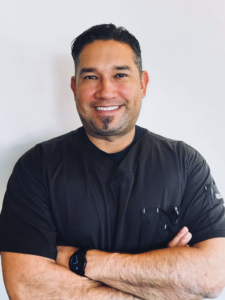
An anesthesiologist, Dr. Blicblum has been affiliated with AMSURG Anesthesia for 13 years. He said he appreciates working in an ambulatory surgery center setting.

“At our ASC, we have direct, daily contact with our administrator, who is proactive and high-energy and very responsive to patient needs and facility issues,” he said. “Working with AMSURG is and has been a pleasure because they are a corporation where you can find and actually talk to human beings who respond to problems quickly. Their #1 emphasis is patient safety, followed by #2 patient satisfaction and #3 staff satisfaction.”

AMSURG Honors Dedicated Professionals during National PA Week

During National Physician Anesthesiologists Week (Jan. 26-Feb. 1), AMSURG and the U.S. proudly honor these dedicated healthcare professionals who play an essential role in ensuring the safety, comfort and well-being of our patients.  

Anesthesiologists affiliated with the AMSURG Anesthesia network deliver exceptional patient care before, during and after surgery at AMSURG ASCs.  

Ondee Whitman, AMSURG Anesthesia Services Associate Vice President, said Blicblum and all anesthesiologist teammates make a profound impact in AMSURG ASCs. 

“We want to shine a spotlight on our Physician Anesthesiologists, whose hard work, compassion and unwavering dedication continue to make a profound impact in our ASCs,” Whitman said. “You go above and beyond every day to provide outstanding patient care, and we are grateful for your expertise and commitment.” 

Filed Under: News Tagged With: 2129

CRNA Week: Spotlight on Janice Cain

January 21, 2025 by Emily Grant

Janice Cain focuses on the well-being and care of patients at the East Bay Endosurgery Center in Oakland, California. 

Cain is a Certified Registered Nurse Anesthetist (CRNA) and an affiliate of the AMSURG Anesthesia network. CRNAs are advanced practice registered nurses who are certified to administer anesthesia at U.S. medical facilities, including ambulatory surgery centers (ASCs).  

Having been affiliated with AMSURG Anesthesia since 2012, Cain said ASCs benefit both CRNAs and the patients.  

“Working in an ASC affords patients [the opportunity] to have a procedure and anesthesia locally on an outpatient basis,” she said. “The pace and number of cases is efficient and safe, and 30-plus GI cases can be performed in a day. “ 

Cain said she appreciates the high level of communication between AMSURG leadership and CRNAs at East Bay Endosurgery, which was named a “2024-2025 Best Ambulatory Surgery Center” by U.S. News & World Report. 

“The collaboration between the MDs and CRNAs is fabulous,” she said. 

Honor Professionals during National CRNA Week

During National CRNA Week (Jan. 19-25), the U.S. celebrates nearly 74,000 CRNAs and residents in nurse anesthesiology programs in the United States. This year’s theme is “CRNAs: Exceptional Care. Innovative Leaders.”   

CRNA services include pre-anesthesia evaluation, administering anesthetic, monitoring and evaluating a patient’s vital signs and managing the patient throughout surgery. CRNAs safely deliver more than 50 million anesthetics to patients each year in the United States. 

Ondee Whitman, AMSURG Anesthesia Services Associate Vice President, praised Cain and all CRNA teammates for their dedication, expertise and unwavering commitment to exceptional patient care.  

“This is a great opportunity to highlight our own outstanding CRNAs, whose expertise and compassionate care go above and beyond every single day,” Whitman said. “Whether it’s ensuring patient comfort before a procedure, providing expert anesthesia management or being a calm presence in the operating room, these individuals exemplify the very best in patient-centered care.”  

Filed Under: News Tagged With: 2173

CRNA Week: Spotlight on Albert Romero

January 21, 2025 by Emily Grant

Albert Romero, CRNAAlbert Romero focuses on the well-being and care of patients at the Chattanooga Endoscopy Center in Tennessee. 

Romero is a Certified Registered Nurse Anesthetist (CRNA) and an affiliate of the AMSURG Anesthesia network. CRNAs are advanced practice registered nurses who are certified to administer anesthesia at U.S. medical facilities, including ambulatory surgery centers (ASCs). 

Having been affiliated with AMSURG Anesthesia since 2011, Romero said he prefers working in an ASC setting because it offers him great work/life balance. 

“As lead CRNA, AMSURG has been extremely professional and has always provided me with the tools necessary to become successful,” Romero said. “AMSURG excels in high-value care with excellent patient safety outcomes.”  

Honor Professionals during National CRNA Week 

During National CRNA Week (Jan. 19-25), the U.S. celebrates nearly 74,000 CRNAs and residents in nurse anesthesiology programs in the United States. This year’s theme is “CRNAs: Exceptional Care. Innovative Leaders.”   

CRNA services include pre-anesthesia evaluation, administering anesthetic, monitoring and evaluating a patient’s vital signs and managing the patient throughout surgery. CRNAs safely deliver more than 50 million anesthetics to patients each year in the United States. 

Ondee Whitman, AMSURG Anesthesia Services Associate Vice President, praised Romero and all CRNA teammates for their dedication, expertise and unwavering commitment to exceptional patient care.  

“This is a great opportunity to highlight our own outstanding CRNAs, whose expertise and compassionate care go above and beyond every single day,” Whitman said. “Whether it’s ensuring patient comfort before a procedure, providing expert anesthesia management or being a calm presence in the operating room, these individuals exemplify the very best in patient-centered care.”  

Filed Under: News Tagged With: 2063

CRNA Week: Spotlight on Evan Jones

January 21, 2025 by Emily Grant

Evan Jones focuses on the well-being and care of patients at the Surgery Center of Volusia in Port Orange, Florida. 

Jones is a Certified Registered Nurse Anesthetist (CRNA) and a 10-year affiliate of the AMSURG Anesthesia network. CRNAs are advanced practice registered nurses who are certified to administer anesthesia at U.S. medical facilities, including ambulatory surgery centers (ASCs). 

“Working at an ASC allows for a more balanced [work/life] schedule,” Jones said. “It also provides a more comfortable setting for the patient and anesthesia provider relationship. In addition, ASCs provide a more personable and less intimidating environment, and overall, a great experience for the patient.” 

Honor Professionals during National CRNA Week

During National CRNA Week (Jan. 19-25), the U.S. celebrates nearly 74,000 CRNAs and residents in nurse anesthesiology programs in the United States. This year’s theme is “CRNAs: Exceptional Care. Innovative Leaders.”   

CRNA services include pre-anesthesia evaluation, administering anesthetic, monitoring and evaluating a patient’s vital signs and managing the patient throughout surgery. CRNAs safely deliver more than 50 million anesthetics to patients each year in the United States.

“While working with AMSURG, one of my career highlights was helping to be a part of an ASC that has been recognized as one of the best in the nation [for 2024-2025] according to U.S. News & World Report, as well as being recognized as a ‘Center of Excellence,’” he said. “Knowing that my anesthesia practice helped assist in making this happen is very rewarding professionally.” 

Ondee Whitman, AMSURG Anesthesia Services Associate Vice President, praised Jones and all CRNA teammates for their dedication, expertise and unwavering commitment to exceptional patient care.  

“This is a great opportunity to highlight our own outstanding CRNAs, whose expertise and compassionate care go above and beyond every single day,” Whitman said. “Whether it’s ensuring patient comfort before a procedure, providing expert anesthesia management or being a calm presence in the operating room, these individuals exemplify the very best in patient-centered care.”

Filed Under: News Tagged With: 2227

Take a Google 360 Virtual Tour of Hanover Endoscopy Center

January 14, 2025 by Emily Grant

Whippany, NJ – Step inside the Hanover Endoscopy Center and explore our state-of-the-art facility from the comfort of your home with our new 360° virtual tour. Renowned for our commitment to high-quality healthcare, we take pride in maintaining a welcoming and serene environment that ensures our patients’ peace of mind.

Take the Google 360 Tour

Get a closer look at the exceptional care we provide with our interactive 360° tour, captured by a certified Google photographer. Journey through our inviting reception area, advanced procedure rooms, and peaceful recovery spaces—all designed with patient comfort as a top priority. At Hanover Endoscopy Center, transparency is key. We believe that by offering a full view of our facility, you can feel confident and at ease even before stepping through our doors. This virtual tour aims to reduce any pre-visit worries and build trust by showcasing our commitment to patient care.

Hanover Endoscopy Center exteriorWhy Choose the Hanover Endoscopy Center?

  • Modern, Welcoming Environment: Our facility is carefully maintained to ensure cleanliness and comfort, offering a positive experience from the moment you enter.
  • Tailored, Compassionate Care: Our dedicated team is focused on providing personalized, patient-centered care to meet your individual healthcare needs.
  • See Before You Arrive: Through our virtual tour and photo gallery, you can get a feel for our center before your visit, promoting confidence and informed decision-making.

At Hanover Endoscopy Center, we blend top-tier medical care with a calm, comfortable atmosphere designed to ease your experience. We invite you to take the tour and discover how we’re committed to your well-being at every step.

Filed Under: News Tagged With: 2141

  • « Previous Page
  • 1
  • …
  • 10
  • 11
  • 12
  • 13
  • 14
  • …
  • 88
  • Next Page »