Glaucoma: What You Don’t See Could Harm Your Vision

September 9, 2025 by Emily Grant

  • What is one of the leading causes of blindness in the U.S.?
  • What family of eye diseases is called the “sneak thief of sight”?
  • What eye condition damages the optic nerve, leading to permanent vision loss?

If you answered glaucoma for each of these questions, you are correct.

Glaucoma is one of the leading causes of blindness in the U.S. A 2022 study found the disease affects more than four million U.S. adults every year. Of those, about 1.5 million people had vision-affecting glaucoma.

During Healthy Aging Month, we should focus on steps to maintain clear vision as we get older. Learning more about conditions that affect our eyes, like glaucoma, helps us determine the best care to preserve our sight.

Researchers Study Eye Pressure

Glaucoma is a group of conditions that damage the optic nerve, the part of your eye that sends visual information to your brain.

Known as “the sneak thief of sight,” glaucoma can quietly damage your vision without any warning signs. By the time it’s diagnosed, permanent vision loss may have already occurred.

A recent study published in Ophthalmology Science, focuses on how elevated eye pressure changes blood vessels in the eye.

“If we can understand that, we can inform drug delivery to improve blood flow in the back of the eye,” Yi Hua, a University of Mississippi biomedical engineering professor, said in Medical Xpress. “That can slow down the progression of glaucoma.”

Researchers used advanced 3D imaging and glowing dye to track how blood flows through the eye at different pressure levels.

“By combining imaging techniques with 3D modeling, we gained a more comprehensive understanding of blood flow and oxygen distribution in the eye,” said Yuankai Lu, co-author of the study, in Medical Xpress. Lu is a postdoctoral researcher at the University of Pittsburgh.

The study showed extreme eye pressure resulted in a lack of oxygen in approximately 30 percent of the tissue in the optic nerve. According to the study, an oxygen deficit leads to cells dying and eventually loss of sight.

“The vision loss resulting from this damage cannot be recovered,” Ian Sigal, University of Pittsburgh associate professor of ophthalmology and bioengineering, said in Medical Xpress. “Hence, it is crucial to find ways to detect the disease and prevent the damage before it happens.”

Tests to Diagnose Glaucoma

Glaucoma does not have a cure. Vision loss caused by the disease cannot be restored. For most people, early detection through annual comprehensive eye exams and lifelong treatment can maintain vision.

During an exam, your eye doctor may use several tests to check for signs of glaucoma and other eye conditions. These tests measure the pressure inside your eye or intraocular pressure (IOP), your field of vision and the thickness of your cornea, which can affect eye pressure readings and help guide your care.

If glaucoma is found, your treatment plan may include prioritizing regular checkups and taking prescribed medication as directed.

Your eye doctor may also recommend one of several innovative procedures as part of your treatment. For example, Micro-Invasive Glaucoma Surgery (MIGS) targets areas of the eye that other surgeries don’t usually focus on, offering more choices for treatment.

Schedule Your Comprehensive Eye Exam

If you have certain risk factors for glaucoma, ophthalmologists may recommend comprehensive eye exams every six to 12 months for early detection.

You may be at risk for glaucoma if you are age 45 or older, have a family history of glaucoma, are a Black American, have diabetes, are nearsighted (myopic) or farsighted (hyperopic), or have a history of elevated intraocular pressure.

Healthy Aging Month reminds us that keeping our eyes healthy matters at every stage of our lives. During September, focus on eye care for yourself and your family. Schedule an appointment for a comprehensive eye exam today.

Filed Under: News Tagged With: eye

Rutgers Student Achieves 20/20 Vision With ICL Surgery

August 27, 2025 by Emily Grant

Musician Abi Titus expresses her love of music by playing concerts with her church worship band.

Behind the scenes, severe astigmatism and high nearsightedness made it challenging for her to read sheet music and tablature. For years, Titus adapted to her visual limitations and continued performing on stage.

“I spent a lot of extra time memorizing the music. It was so hard for me to read from a distance while also concentrating on playing,” she said. “I’m squinting. I can’t see the music I’m playing. I love playing all types of music, but that was definitely a struggle.”

Today, the 21-year-old Wayne, New Jersey, woman plays music with ease following EVO Implantable Collamer® Lens (ICL) surgery.

Patient Modifies Lifestyle to Combat Poor Vision

Most vision problems happen when the eye has trouble focusing light the right way. For Titus, nearsightedness made distant objects look blurry, and severe astigmatism distorted shapes and details.

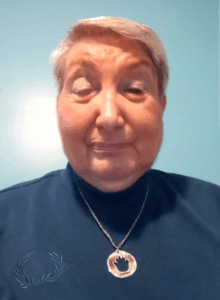
Musician Abi Titus before her ICL surgeryGrowing up, Titus wore thick glasses with a strong prescription that changed frequently, but still she struggled to see clearly. Even with poor eyesight, she modified her lifestyle to achieve her goals.

“Driving was very difficult, especially reading street signs, reading license plates, even directions, too,” she said. “There were a lot of areas in which I struggled because of my vision. But I didn’t let it hold me back from my hobbies. I had to go the extra mile.”

Her vision challenges continued at the School of Engineering at Rutgers University — New Brunswick, where she studies chemical engineering.

“It was an ongoing conversation,” Titus said. “Am I going to get some kind of vision surgery so that I don’t have to be like this for the rest of my life?”

Last summer, her glasses broke while on a family trip to Niagara Falls, leaving her unable to see clearly. Titus told her parents it was time for vision correction surgery.

“I’m going to be on my own,” she said. “I can’t subject myself to an experience like this where my safety is compromised because I can’t see.”

Eye Exam Determines Vision Correction Option

To find a solution for her eyesight, Titus researched vision correction surgeries, including LASIK (Laser-Assisted In Situ Keratomileusis), PRK (Photorefractive Keratectomy) and ICL.

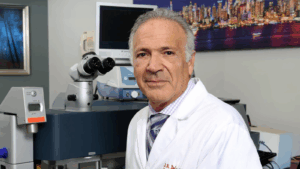
Dr. Adrian JachensLast winter, she scheduled an appointment with ophthalmologist Adrian Jachens, MD, to discuss her options. He conducted a full evaluation of her eyes to determine the best treatment for her vision.
“Refractive surgery evaluation ruled out LASIK and PRK for her,” Dr. Jachens said. “Then, we agreed that ICL would work well for her because she was a good candidate for it.”

Refractive surgeries, like LASIK and PRK, treat vision issues by surgically reshaping the cornea. By comparison, ICL is a minimally invasive, reversible vision correction procedure. During surgery, your doctor places a soft, biocompatible lens between your iris and natural lens.

“[ICL] is a really refined tool that is very safe, very effective,” Dr. Jachens said. “It really expands the amount of people that you can help in the realm of refractive surgery.”

Adults 21-45 years of age who are nearsighted, with and without astigmatism, are good candidates for ICL.

Titus Opts for ICL Surgery at ASC

Weeks after turning 21, Titus scheduled ICL surgery with Dr. Jachens on December 23 at an ambulatory surgery center (ASC). ASCs offer same-day procedures using advanced technology in a comfortable setting, often at reduced costs and with the convenience of recovering at home.

“Because this is intraocular surgery, you need a very sterile environment,” Dr. Jachens said. “The ambulatory surgical center experience is always going to be best for both surgeon and patient.”

Cataract surgery typically involves operating on one eye at a time, whereas doctors perform ICL surgery on both eyes during the same visit.

“We call it a bilateral procedure because we’re doing both eyes, but they’re not done at the same time,” Dr. Jachens said. “They are two entirely separate surgeries from soup to nuts. The real terminology is same day, sequential.”

Titus praised the ASC’s clinical staff for their attention during her surgery.

“They were very in tune to my needs, especially during the procedure,” she said.

The center released Titus to recover at home. She returned the next day, Christmas Eve, for her first post-op visit. Dr. Jachens revealed that Titus now had 20/20 vision in both eyes.

“It’s a miracle! Like, I was blind, but now I see,” Titus said. “I’m always plugging this to my friends, my colleagues, my peers, my family, everybody. I have to talk about it, and people love hearing about it as well.”

Dr. Jachens prescribed eye drops and instructed her to wear sunglasses for several days because of light sensitivity.

“She was a 100 percent success,” Dr. Jachens said. “It’s really cool because I don’t think people who have relatively good vision can appreciate just how debilitating that sort of myopia really is.”

Finding Vision Clarity and Personal Confidence

Eight months after ICL surgery, Titus reads musical notes with ease and plays her instruments with passion. Her sheet music and tablature are now as clear as her sight.

“With music I could catch up so much faster and play so much better because I could literally read what I was playing,” she said. “It wasn’t a concern. I could relax a little bit. It definitely contributed to a greater sense of ease overall in everything that I did.”

Getting ICL boosted Titus’ self-confidence and made it easier to read the board in class, which helped her focus better in her studies at Rutgers.

“It’s definitely given me an advantage that I didn’t have before, and I’m so grateful for that,” Titus said. “It’s definitely changed my life for the better.”

Dr. Jachens celebrates Titus’ results and her new life with clear vision.

“It was great getting to know her and being part of this journey for her,” he said. “I think, going forward, the rest of her life is just going to be so much better.”

Schedule Your Comprehensive Eye Exam

Your vision is an important part of your overall health. A comprehensive eye exam with dilation takes only an hour but provides a year of benefits. During the exam, your eye doctor will check for the following:

  • Refractive error: nearsighted, farsighted or astigmatism
  • Focusing problems, including presbyopia
  • Eye diseases, such as glaucoma, macular degeneration and cataracts

“Comprehensive eye exams are obviously very important,” Dr. Jachens said. “You go to your primary care doctor for checkups. You go to your dentist for checkups and cleaning. So, it’s just part of regularly scheduled maintenance of the human body.”

Are you interested in reducing your need for glasses or contact lenses? Do you need a procedure, like cataract surgery? Prioritize your vision and schedule a consultation or an eye exam with your ophthalmologist.


This article is designed for educational purposes only. The information provided should not be used for diagnosing or treating a health concern or disease. It is not a substitute for professional care. If you have or suspect you may have a health concern, you should consult your healthcare provider.

Filed Under: News Tagged With: eye

Is It Time for Cataract Surgery? Signs You Shouldn’t Ignore

June 1, 2025 by Emily Grant

Cataracts are a common part of aging. Recognizing the signs early can help you take steps to restore clear vision. Delaying treatment too long can impact your safety, independence and overall quality of life.

What Are Cataracts?

A cataract is a condition where the naturally clear lens of your eye becomes cloudy, making it harder to see clearly, especially in certain lighting conditions. Over time, cataracts can interfere with your ability to read, drive and enjoy everyday activities.

The Centers for Disease Control and Prevention reports about 20.5 million people in the U.S. aged 40 and older have cataracts. June is Cataract Awareness Month. During this time, we focus on the symptoms and treatment of the main cause of vision loss in the U.S.

When to Visit Your Eye Doctor

Changes in your vision can raise the risk of falls, accidents and injuries, especially for older adults. Here are some cataract signs and symptoms that may indicate you need to talk to your eye doctor:

  • Cloudy, blurry or dim vision — You may feel like you are constantly looking through a smudged window or foggy glasses.
  • Difficulty seeing at night — Driving has become stressful due to low visibility or increased glare.
  • Glare or halos around lights — Street lights, headlights or lamps may seem overly bright with halos around them, especially at night.
  • Colors look faded or yellow — Cataracts can dull your color perception, making everyday scenes look less vibrant.
  • Frequent changes in your prescription — You think you need new glasses/contacts often but still are not seeing clearly.
  • Double vision in one eye — This can possibly be an early sign of a cataract forming on the lens.

The Sooner You Act, the Better the Outcome

Early detection and prompt treatment are critical to restore your vision and improve your quality of life.

A comprehensive eye exam can help determine to what degree cataracts are affecting your vision. Your ophthalmologist will check your vision and test for common eye conditions like cataracts, glaucoma and macular degeneration. Then, you and your doctor can determine if cataract surgery is right for you.

Cataracts will not go away on their own. Cataract surgery restores clear vision, keeping you safer at home, on the road and in your daily activities. Eye doctors perform about four million cataract surgeries every year in the U.S. This is the most common and one of the safest surgical procedures.

Benefits of cataract surgery may include the following:

  • Clearer vision and sharper focus
  • Brighter, more vibrant colors
  • Improved night vision
  • Increased confidence and safety while walking or driving
  • A more active and independent lifestyle

Delaying surgery too long may make the cataracts more advanced and harder to remove. This can slightly increase risks or lengthen recovery time. Therefore, it is important to discuss the best treatment schedule with your eye doctor.

Choose a Lens That’s Right for You

During cataract surgery, your doctor removes the cloudy lens of your eye. The lens is replaced with an artificial, permanent intraocular lens (IOL). Depending on your vision needs and budget, IOL choices include the following:

  • Monofocal lenses are the most common and are usually covered by insurance. You will likely still need glasses or contacts for some activities.
  • Astigmatism-correcting lenses (Toric) can give you sharp distance vision. You may still need reading glasses after surgery.
  • Multifocal lenses may reduce your need for glasses altogether, especially for reading. Insurance does not cover these IOLs, so they cost more out of pocket. You may not need to buy glasses or contact lenses again.

Talk with your eye doctor to find the lens that is right for your lifestyle and vision goals.

Focus on Your Eye Health. Schedule an Appointment.

If vision problems are impacting your life, now is a great time to explore treatment options. Our experienced, board-certified eye doctors welcome new patients.

When you and your eye doctor determine you need cataract surgery, our ambulatory surgery center is …

  • Convenient and efficient.
  • Often lower in cost than hospitals.
  • Focused on patient comfort and personalized care.

If you have met your health insurance deductible, your out-of-pocket costs for cataract surgery may be lower. Scheduling your procedure before the end of the year can help you make the most of your health plan benefits.

A better quality of life begins with clearer vision. Do not delay getting the eye care you need. Call today to schedule an appointment.

Filed Under: News Tagged With: eye

A New View on Life: Patient Grateful for the Gift of Sight

May 28, 2025 by Emily Grant

Watching Broadway musicals holds special meaning for Rosalie Rhodes after receiving the gift of sight through organ donation.

The 77-year-old retired probation officer recently underwent a corneal transplant. Now, Rhodes and her sister enjoy theater performances together near Rutherford, New Jersey.

“We saw ‘Jersey Boys.’ It was wonderful for me to see, to hear it,” she said. “I’m able to walk and go up and down the stairs and to walk down the aisle. I’m grateful that these things are happening, and I’m able to do it.”

Bell’s Palsy Leads to Left Eye Corneal Damage

Diagnosed a year ago with Bell’s palsy, Rhodes experienced paralysis or weakness on the left side of her face.  The neurological disorder made closing her left eyelid difficult. This led to exposure keratitis, a condition where the cornea dries out. The cornea is the transparent, dome-shaped outer layer of the eye that bends light and helps you focus.
A specialist sewed her left eye closed to allow it to heal, but her vision did not improve. Rhodes’ condition worsened and eventually resulted in vision loss.

“My vision was so impaired,” Rhodes said. “They decided that I needed a corneal transplant.”

Rhodes was referred to ophthalmologist Joseph A. DeLuca, MD, FACS, for evaluation.

“She developed an ulcer of the cornea inside the eye because she could not close her eyelid,” Dr. DeLuca said. “They treated the ulcer until she was healed, but that left a scar. It left neovascularization of the cornea. Her sight was compromised a great deal.”

​​Corneal neovascularization is the abnormal growth of blood vessels in the cornea. In some cases, this condition can result in corneal swelling and vision loss.

“[Rhodes] could have left it alone, and then the vision would have just been what it was, but she was motivated,” Dr. DeLuca said. “She chose to have a corneal transplant.”

Organ Transplant Restores Patient’s Vision

Doctors perform more than 40,000 corneal transplants annually in the U.S. Corneal transplant surgery, or keratoplasty, replaces a damaged or diseased cornea with healthy corneal tissue from an organ donor.

After several weeks, the Lions Eye Bank for Long Island notified Dr. DeLuca’s office about a potential corneal tissue donor. A 24-year-old man had passed away, and his family opted for organ donation.

“He wasn’t 70 years old or 50 years old; he was 24,” Rhodes said. “I am so grateful to the parents; they were so incredibly wonderful to do this.”

The next day, Rhodes underwent a penetrating keratoplasty (PK) at an AMSURG ambulatory surgery center (ASC). During this procedure, Dr. DeLuca removed her damaged cornea then sewed a clear donor cornea into place.

More than 97 percent of corneal transplants successfully restore the recipient patient’s vision. Rhodes returned a day later for a post-op exam with Dr. DeLuca.

“I could see! That was the first thing,” Rhodes said. “I was able to see color … I can see letters if they’re dark and on a light background. I will never have vision like I had prior to all of this, but it is a thousand percent better than I anticipated.”

Patient Enjoys Independence, Improved Quality of Life

Full vision recovery for corneal transplant recipients can take up to a year for some patients.

“The patient has to agree that when you do a full thickness [corneal] transplant, there’s a lot of post-operative care,” Dr. DeLuca said.

Currently, Rhodes administers daily eye drops to treat dry eye, a condition where the eyes do not produce enough tears. Dry eye is a common temporary side effect after a corneal transplant.

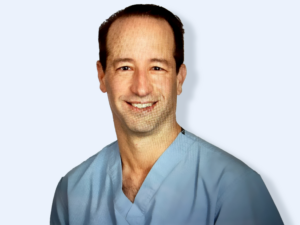
Dr. Joseph DeLucaConsidering the complexity of her case, Dr. DeLuca is pleased with Rhodes’ overall recovery.

“She’s a grand slam. She’s not wearing glasses, and she’s 20/25 after full thickness keratoplasty. Just exceptional,” he said. “It just went flawlessly, really.”

Through her gift of sight, Rhodes now manages grocery shopping without assistance and reads books with clear vision.

“I was able to do food shopping by myself. I walked the entire length and width of the store twice,” she said. “Now, I’m able to read — something I hadn’t been able to do in a long, long time.”

Rhodes said she appreciates Dr. DeLuca’s expertise and professionalism to restore her vision.

“I am so grateful to him and God,” she said. “I had God on my shoulder, and so did he.”

To express her heart-felt appreciation for the organ donation, Rhodes wrote a letter to the family thanking them. She submitted the letter to the eye bank for delivery.

“They gave me a chance to see out of that eye. I can’t thank them enough,” Rhodes said. “My heart goes out to them for their loss.”

Consider Eye Surgery at an Ambulatory Surgery Center

Ambulatory surgery centers offer same-day, high-quality procedures with the most advanced technologies available. ASCs provide significantly lower costs than other facilities for the same procedure. Patients then recover at home.
Rhodes praised the ASC staff and clinical and surgical team for their work during her corneal transplant.

“They were so wonderful before the surgery, during [and] after,” she said.

May Is Healthy Vision Month. Schedule Your Eye Exam.

During May — Healthy Vision Month — focus on protecting and preserving the health of your eyes. Schedule comprehensive eye exams for you and your family before problems arise. Your eye doctor will evaluate your current eye prescription and check your visual acuity. They will screen you for eye conditions like cataracts, glaucoma and macular degeneration.

Have you met your health insurance deductible already? If you need surgery, like cataract surgery or a corneal transplant, schedule it at our ASC before the year ends. This way, you can make the most of your health plan’s benefits. Prioritize your eye health; call today to make an appointment.


This article is designed for educational purposes only. The information provided should not be used for diagnosing or treating a health concern or disease. It is not a substitute for professional care. If you have or suspect you may have a health concern, you should consult your healthcare provider.

Filed Under: News Tagged With: eye

Giants Fan Celebrates Clear Vision After Cataract Surgery

April 6, 2025 by Emily Grant

A devoted New York Giants fan, Bruce Barkhorn frequently watches home games at MetLife Stadium in East Rutherford, New Jersey.

When cataracts started affecting his vision, the 75-year-old season ticket holder struggled to see the players’ jersey numbers on the field.

“[My vision] was out of focus a lot, and it got pretty bad the last year and a half,” he said.

When driving at night became difficult, Barkhorn scheduled an appointment with ophthalmologist Shawn Klein, MD, to discuss his eye health and cataract surgery.

What Are Cataracts?

Cataracts form when protein builds up in the lens of your eye. They often lead to vision changes including the following:

  • Blurry vision or difficulty seeing clearly or sharply
  • Seeing two images of a single object, which often overlap
  • Sensitivity to light (notably with oncoming headlights at night)
  • Difficulty seeing clearly at night or reading in dark conditions
  • Seeing bright colors as faded or yellow

Surgery is the only treatment option to medically remove a cataract. Untreated cataracts may lead to vision impairment or blindness, so it is important not to delay surgery.

Dr. Shawn Klein“There are people coming with cataracts that are bothersome for them and affecting the vision to some extent,” Dr. Klein said. “If you wait too long … at some point the surgery actually becomes more difficult, and the risk of complications becomes higher.”
Select an IOL to Meet Your Visual Needs

Cataract surgery remains a safe and common procedure, with around four million procedures performed annually in the U.S.

During cataract surgery, an eye surgeon replaces your cloudy lens with an artificial lens called an IOL, or intraocular lens. An IOL is constructed from silicone, acrylic or another plastic material.

For his visual needs and lifestyle, Barkhorn selected a multifocal lens designed to correct his astigmatism and give him distance and near vision without glasses.

It is important to consult your eye doctor to determine the best IOL for you. There are three major categories of IOLs:

Monofocal Lens: Designed to provide sharp distance vision. Medicare and other insurance plans usually cover it. Glasses may still be necessary for reading and possibly distance vision, especially if you have astigmatism.

Astigmatism-correcting Monofocal Lens: Potentially corrects your astigmatism. Most people only need glasses for reading after surgery.

Multifocal Lens: Can help you see both near and far, so you may be glasses-free after cataract surgery. Health insurance plans do not cover the additional expense of these lenses. To determine affordability, compare the one-time cost of purchasing the premium lenses with the cumulative lifetime cost of buying eyeglasses.

Choose an ASC for Cataract Surgery

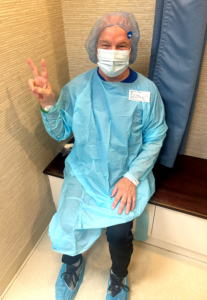
Bruce Barkhorn preparing for surgeryBarkhorn scheduled his cataract surgery at an AMSURG-affiliated ambulatory surgery center (ASC). The first procedure on his left eye was completed in less than 20 minutes. He was at the center for about two hours.

“It was unbelievable how fast, efficient and professional it was,” Barkhorn said. “I was really pleasantly surprised.”

A day after surgery, Barkhorn returned for a follow-up exam. He wore a patch over his eye the first night. The first week after surgery, he applied eye drops four times a day to prevent inflammation. He said his full vision returned within a few days.

Two weeks later, Barkhorn returned to the center for cataract removal from his right eye and achieved the same positive results.

“Anytime you have an operation [on] your eyes, you’re a little hesitant to do it,” he said. “I’m glad I did.”

Dr. Klein said patients benefit from having cataract surgery in an ASC setting. These outpatient centers can perform your cataract procedure at the same high level and quality of care at a lower cost than other medical facilities.

“Even though the surgery is delicate and can be complicated, our surgical teams are proficient with excellent results,” Dr. Klein said. “There’s a very high volume of surgeries to be done, and we can take care of them efficiently and in a comfortable manner for the patients.”

Clear Vision Improves Gridiron Games Experience

Life after cataracts has improved Barkhorn’s NFL game-day experience. He now watches the New York Giants with clear vision — no prescription glasses needed.

“When I go to the football games eight times a year, I can see the numbers on the back of the players where I couldn’t before. So, it’s a good thing,” he said.

Although he no longer needs glasses, Barkhorn still instinctively reaches for them.

“The funniest thing is your brain is conditioned to reach for your glasses all the time,” he said. “And I said [to myself], ‘Wait a minute. I don’t need them anymore’.”

Helping patients like Barkhorn gives Dr. Klein satisfaction in his work as an ophthalmologist.

“You’re restoring vision to people,” he said. “That’s the reason you’re doing cataract surgery, but the idea that you can help make people see again […] really makes it a lot of fun.”

Find an Ophthalmologist Near You

Is your vision blurry or out of focus? Do bright headlights distract you while driving at night? Schedule a visit with your ophthalmologist for a comprehensive eye exam.

“Vision is very subjective. It can be very hard to explain how you feel, what you’re seeing,” Dr. Klein said. “You’ve got to get checked. That’s the answer.”

During your exam, your eye doctor will evaluate your current eye prescription, check your visual acuity and screen you for eye conditions like cataracts, glaucoma and macular degeneration. Prioritize your vision health and call today for an appointment.


This article is designed for educational purposes only. The information provided should not be used for diagnosing or treating a health concern or disease. It is not a substitute for professional care. If you have or suspect you may have a health concern, you should consult your healthcare provider.

Filed Under: News Tagged With: eye

5 Reasons You Should Wear Sunglasses All Year for Eye Health

March 2, 2025 by Emily Grant

Sunglasses are critical for eye health, so it is essential to know what you are looking for when selecting a pair of UV-protecting sunglasses.

Sunglasses Are More Than a Fashion Statement

When it comes to sunglasses, often our priority is to find a pair of shades that complement our face. But if your sunglasses can’t protect your eyes and skin, they’re not fulfilling their purpose.

The reason we wear sunglasses is to reduce glare and protect our eyes from ultraviolet radiation from the sun.

Here, we’ve provided five reasons you should wear sunglasses 365 days per year.

UV Rays Can Damage Your Eyes and Skin During All Four Seasons

Everyone reaches for sunglasses on sunny days at the beach or the pool, but ultraviolet (UV) rays can penetrate through clouds and damage your vision.

UV light is higher-energy light than visible light, and it has a shorter wavelength. The sun provides natural UV light, but tanning beds, sun lamps, lasers and nail drying lamps can also give off UV light.

The three primary types of ultraviolet light are UVA, UVB and UVC. Most of the UV rays from the sun are UVA, but some are UVB. Overexposure to UV radiation can cause premature aging and disease.

Sunglasses Create a Barrier Between Your Eyes and the Elements

Being outside can expose your eyes to elements like dust, sand and wind. Wearing sunglasses can create a physical barrier between your eyes and the elements, keeping your eyes safe from debris.

Wind and frigid air can cause dry eyes, eye pain and sensitivity, so sunglasses can provide a protective shield in the winter.

Sunglasses Can Prevent Eye and Skin Cancer

A small amount of sun exposure is healthy because sunlight produces vitamin D, an essential vitamin in the body. The World Health Organization recommends between 5 to 30 minutes of unprotected sun exposure two to three times per week.

Overexposure to UV radiation can cause cellular damage. We can measure UV radiation using the UV index, a scale from low radiation (1-2) to high (over 11). Experts recommend sun protection when the UV index is 3 or higher.

Skin cancer is the most common cancer in the United States. The most fatal type of skin cancer is melanoma, and most cases develop from UV radiation.

Similar to skin, eyes can also suffer from sunburn. This is a condition called photokeratitis. Although photokeratitis is temporary, a burned cornea can cause soreness, inflammation and sensitivity to light.

Repetitive exposure to UV radiation can lead to skin cancer of the eye or eyelid. Surfer’s eye, or pterygium, is a fleshy growth that develops on the surface of the eye, and it sometimes requires surgery if it obstructs your vision.

A Quality Pair of Sunglasses Will Help Prevent Eye Disease

A cataract is clouding of the eye lens, and it is a natural part of the aging process. However, overexposure to UV rays can cause cataracts to develop more rapidly through a process called oxidation.

Cataracts are a leading cause of vision impairment and can cause symptoms such as blurry vision, double vision, glare or halos, difficulty seeing at night and sensitivity to light.

Ultraviolet light can also increase the risk for age-related macular degeneration, a condition that affects central vision. Research shows bright sunlight may worsen macular degeneration, but sunglasses can offer protection from UV damage.

Sunglasses Can Reduce Eye Strain

A particular type of lens called a polarized lens can significantly reduce eye strain from glare. Polarized lenses allow vertical light to pass through them, but they block horizontal light, which causes glare. Examples of horizontal light could be a shiny car hood or bright light reflecting off a lake.

Individuals who use polarized sunglasses often report reduced eye strain while engaging in outdoor activities, such as golfing, swimming, boating, fishing and skiing under the sun.

Tips on How to Choose Quality Sunglasses

The FDA publishes guidance for non-prescription sunglasses, and it includes helpful information about requirements. Here are tips based on the FDA recommendations:

  1. Learn to read labels, and only purchase sunglasses that have clear information about the protection they offer.
  2. Select a pair of sunglasses that offer 100 percent UVA and UVB protection. Look for sunglasses that say “UV400,” meaning they block almost all ultraviolet radiation.
  3. Some sunglasses use the term EPF or “eye protection factor,” which evaluates how effectively the sunglasses block UV rays. Choose sunglasses that have an EPF of at least 9 or 10.
  4. Typically, sunglasses with light to medium tints are suitable for driving and outdoor pursuits, whereas darker shades are ideal for the beach or skiing. Read the label carefully to determine the amount of protection the sunglasses offer.
  5. Sunglasses offer more protection if they wrap around your face and fit close to the eyes. A close fit and wraparound style create a physical barrier to keep out UV rays.
  6. Polarized lenses can reduce glare and enhance comfort, but they don’t filter out UV rays. Look for the EPF or UV label to determine the safety of the lens.
  7. The FDA mandates that sunglasses must have impact resistance; however, they are not shatterproof, so you must not rely on them as protective eyewear.

If you need protective eyewear for sports or industrial use, purchase safety glasses or goggles with plastic polycarbonate lenses. Polycarbonate lenses without coatings are prone to scratches, so opt for those with scratch-resistant features.

Visit Your Ophthalmologist for a Comprehensive Eye Exam

Comprehensive eye exams with dilation provide accurate information about your vision and eye health. Before the exam, your ophthalmologist or optometrist may ask you about your medical conditions, eye conditions and family history. The exam includes many components like checking for refractive errors, focusing problems and eye diseases like cataracts, glaucoma, diabetic retinopathy and age-related macular degeneration.

After your eye exam, you will have an updated prescription as well as a glimpse of your overall health. Often, eye problems can detect issues like hypertension, high cholesterol or diabetes, which makes your eye exam an important part of preventive health care.

Call today to make an appointment for a comprehensive eye exam for you and your family. Your vision is a precious gift, and you can take active steps to protect it by visiting your eye doctor.

Filed Under: News Tagged With: eye

5 Ways to Manage Diabetes and Prevent Vision Loss

February 2, 2025 by Emily Grant

Uncontrolled diabetes can lead to low vision from diabetic eye disease, but proactive steps like comprehensive eye exams can prevent sight loss and blindness.

Diabetes Is a Nationwide Epidemic

Diabetes is the most expensive disease in the United States and is becoming the fastest-growing disease in the world. Almost 40 million Americans have diabetes, which is about 12 percent of the U.S. population, but one in five people affected are unaware they have the disease (American Diabetes Association).

Below are five ways you can manage diabetes to protect your vision and prevent permanent eye damage.

Educate Yourself About Diabetes-Related Health Problems

About 90 to 95 percent of people with diabetes have type 2 diabetes, a condition that develops when the body has trouble using insulin to push glucose out of the blood and into the body’s cells. Insulin resistance causes blood glucose levels to rise, and this can cause significant health problems, including the following:

  • Nerve damage
  • Heart disease
  • Kidney damage or failure
  • Blood vessel damage
  • Feet problems
  • Bone and joint issues
  • Teeth and gum infections

Understand the Connection Between Diabetes and Vision Loss

Diabetic eye disease is a term for a group of eye conditions that diabetes can cause, including diabetic retinopathy, diabetic macular edema, cataracts and glaucoma.

“Diabetes can silently damage a person’s most precious sense, their sight, before symptoms even appear,” said J. Michael Jumper, MD, president of the American Society of Retina Specialists (ASRS). “That’s why everyone with diabetes should focus on their eyesight and receive regular dilated eye exams.”

About half of all people with diabetes will develop diabetic retinopathy, a disease that makes retinal blood vessels swell, leak fluid or obstruct completely. Sometimes, abnormal tiny blood vessels will begin to grow on the retina.

Numerous individuals with diabetic retinopathy may not observe symptoms initially, yet signs can start to emerge over time:

  • Blurry vision
  • Challenges with reading
  • Seeing spots or floaters
  • Elevated eye pressure
  • Difficulty discerning colors
  • Double vision
  • A shadow across the field of vision

If you have uncontrolled blood sugar or elevated blood pressure or are pregnant, your risk of developing diabetic retinopathy increases significantly.

Visit Your Primary Care Doctor Regularly

Staying current with self-checks, doctor visits and exams can help you manage your blood sugar, body weight, medications and habits. Your physician will recommend if you need to schedule visits every three or six months to monitor your A1C, which evaluates your blood glucose levels.

Your doctor will also test your blood pressure, look at your eyes and examine your feet for diabetes-related foot problems. Every year, you will probably need routine tests to check your kidneys, cholesterol and hearing (CDC).

Get a Comprehensive Eye Exam at Least Once Per Year

Annual comprehensive eye exams with dilation can prevent vision loss and blindness for people with diabetes. The best way to preserve your vision is to visit your eye doctor regularly and make an appointment right away if you notice any vision changes.

If you have diabetic eye disease, you may need to visit your eye doctor more often than once per year. Fluctuations in blood sugar can affect the shape of the lens and cause blurred vision. Often, your vision will go back to normal when glucose levels go back to normal. Therefore, it is important to schedule regular eye exams.

Double vision is another eye problem that affects people with diabetes. High blood sugar can damage the nerves that allow the eyes to work together, and double vision can result (AAO).

Make Healthy Lifestyle Choices

Your daily habits can make a significant difference in your blood glucose levels, particularly in diet and exercise.

Eat a Nutritious, Balanced Diet

Eating foods that are high in protein and fiber as well as complex carbohydrates can help stabilize your blood glucose levels. There are no exact recommendations for what percentage of calories should come from proteins, carbohydrates and fats for people with diabetes. Therefore, it is imperative to build your nutrition plan with the help of your doctor or a nutritionist.

Fill your plate with these delicious foods:

  • Lean proteins like fish, turkey, chicken, tofu, nuts and eggs
  • Whole grains such as oats, quinoa, brown rice and millet
  • Non-starchy vegetables like leafy greens, broccoli, mushrooms, asparagus and green beans
  • Legumes like beans (garbanzo, pinto, navy and kidney), peanuts and lentils
  • Nuts and seeds like walnuts, cashews, almonds, pecans, chia seeds and sunflower seeds

Get Active and Exercise

Consistent exercise is a cornerstone of diabetes management. When you perform a physical activity, your cells become more sensitive to insulin, which helps lower your blood glucose levels.

If you’re a beginner, you might feel overwhelmed, but even a slight change in your activity level can be helpful. Starting with a daily walk is a great idea, and you can slowly enhance the intensity and length of your exercise as your endurance improves.

Other lifestyle choices to manage the effects of diabetes include the following:

  • Quit smoking or not smoking.
  • Avoid alcohol or drink only on special occasions.
  • Get quality sleep at night.
  • Manage your stress levels.

February Is Low Vision Awareness Month

Diabetic eye disease is just one of several conditions that can lead to low vision, a state that cannot be improved with glasses, contact lenses, medications or surgical procedures.

Losing vision doesn’t have to mean you have to give up everything you enjoy. Various treatments and rehabilitation techniques are available for individuals with limited vision, such as oversized print literature, magnifying devices or assistance from a caregiver who can transport you to appointments and activities.

Early diagnosis is the best way to prevent vision loss. During Low Vision Awareness Month, make an appointment for you and your family members to get a comprehensive eye exam with dilation. Your doctor can update your prescription, screen you for common eye diseases and evaluate your eye health.

Make an Appointment with Your Ophthalmologist

The first quarter of the year can be a perfect time to call your insurance company to verify your vision benefits. Feel free to inquire about testing for common eye conditions such as cataracts and check if cataract surgery is covered.

Cataract surgery is one of the most common surgeries in the United States and it often takes only about 15 minutes. A surgeon will remove the cloudy lens and replace it with a clear artificial lens, called an intraocular lens. Many people say they have the clearest vision they’ve ever experienced following cataract surgery.

Call your ophthalmologist today to get on the schedule and commit to another year of healthy, clear vision.

Filed Under: News Tagged With: eye

Preventive Eye Care Can Diagnose and Treat Glaucoma Early

January 1, 2025 by Emily Grant

You cannot prevent glaucoma, but you can reduce your risk of vision loss and blindness by scheduling a comprehensive eye exam during Glaucoma Awareness Month.

What Is Glaucoma?

The new year is a perfect time to renew your commitment to your eye health.

January is Glaucoma Awareness Month. Glaucoma is a group of eye diseases that damages the optic nerve and causes vision loss. It is the second leading cause of blindness and affects more than three million Americans.

Many types of glaucoma exist, but the most common type is primary open-angle glaucoma, or POAG. Other less common types are angle-closure glaucoma and normal-tension glaucoma.

There is no cure for glaucoma, and the disease rarely shows symptoms in the early stages. The only way to diagnose glaucoma is by getting a comprehensive eye exam with dilation.

How Does Glaucoma Develop?

Experts aren’t completely sure what causes glaucoma, but many people with glaucoma exhibit higher than normal eye pressure. Most glaucoma instances involve obstructed drainage pathways in the eye, leading to an increase in intraocular pressure. Elevated eye pressure can damage the optic nerve’s delicate fibers and create blind spots in the visual field.

Glaucoma’s nickname is “the sneak thief of sight” because it usually develops without warning signs. Open-angle glaucoma doesn’t have apparent symptoms at first, but blind spots form in your peripheral vision as the disease progresses.

Angle-closure glaucoma commonly develops when the iris, which is the colored section of the eye, is positioned too close to the drainage angle. Many cases of angle-closure glaucoma develop slowly and don’t cause symptoms.

Sometimes, blockages in the drainage canal develop quickly and eye pressure spikes to dangerously elevated levels. An acute attack occurs when a complete blockage develops rapidly. It can cause severe symptoms:

  • Intense eye pain
  • Blurred vision
  • Headaches
  • Nausea or vomiting
  • Seeing multi-colored rings or halos around lights

Acute attacks require immediate medical care or they can cause blindness.

Sometimes, people with normal eye pressure can develop glaucoma. Experts call this normal-tension glaucoma. Therefore, it isn’t just high eye pressure that causes the disease, but sensitivity to pressure changes can cause glaucoma.

Daily Choices Can Protect You from Degenerative Eye Disease

You can’t restore glaucoma-related vision loss, but you can take steps to protect your eye health every day.

Commit to Nutritious Eating

When you go to the grocery store, think about “eating the rainbow.” Brightly colored fruits and vegetables like red strawberries, orange butternut squash, yellow bell peppers, leafy greens, indigo blueberries and purple eggplant will provide essential vitamins and minerals to nourish healthy vision.

Try to lower your sugar intake and limit foods with trans-fat. High blood pressure can increase your risk for glaucoma, so using a salt substitute can be helpful if you have hypertension.

Talk to Your Doctor about Safe Exercises

Vigorous exercise can cause spikes in eye pressure, so talk to your doctor before you begin a fitness routine. One of the best types of moderate exercise is brisk walking. Daily walks enhance cardiovascular fitness and keep your joints limber.

Strength training is also important, but be careful of exercises in an inverted position because it can increase intraocular pressure. If you do yoga, you may want to avoid the downward facing dog position.

Wear UV Protection

All of us need a small amount of sunlight for healthy vitamin D production, but too much sun can damage healthy eyes. Exposure to ultraviolet radiation from sunlight or tanning beds increases oxidation and free radicals in eye tissue.

Wear sunscreen with a minimum of 30 SPF and sunglasses with 99 to 100 percent UVA and UVB protection.

Manage Chronic Conditions

Having chronic health conditions like hypertension, diabetes, heart disease and obesity can increase your risk for glaucoma. Visit your primary care doctor regularly to discuss any new symptoms, and take all medication as your doctor prescribes.

Visit Your Eye Doctor

You may think your eyes are healthy if you don’t have noticeable vision problems, but eye disease can develop without symptoms.

Annual comprehensive eye exams can detect glaucoma in the early stages when it is highly treatable. Dilated eye exams can also diagnose other eye conditions like cataracts, diabetic retinopathy and age-related macular degeneration.

Talk to your ophthalmologist about how often you should get a comprehensive eye exam, including a glaucoma screening. People with diabetes should visit the eye doctor once per year because they are twice as likely to develop glaucoma as those who don’t have diabetes.

Anyone with a family history of glaucoma should schedule an eye exam every two years, as well as anyone older than 60 or Black Americans over age 40.

Begin the New Year by prioritizing your eye health. Celebrate Glaucoma Awareness Month by scheduling an eye exam for the whole family so they can enjoy clear vision for years to come.

Filed Under: News Tagged With: eye

Protect Children’s Vision: Buy Safe Toys This Holiday Season

December 1, 2024 by Emily Grant

“You’ll shoot your eye out!” is one of the most well-known quotes from “A Christmas Story.” People chuckle when Ralphie’s Red Rider BB gun pellet ricochets off the metal target and breaks his glasses, yet it isn’t funny when it happens in real life.

Every year, emergency rooms treat thousands of eye injuries. Unsafe toys can lead to eye injuries or blindness, so it’s crucial for parents to exercise caution when selecting holiday gifts for their children.

Toys Top Holiday Wish Lists

According to the Toy Association, parents are prioritizing toys this year for their children. Almost 70 percent of surveyed parents said they were willing to reduce other spending so they can buy the most popular toys.

Another survey predicts toys will be one of the most popular presents this season, second only to clothing and gift cards. It’s clear that toys provide immense happiness for children and the young at heart, but well-meaning efforts can lead to trouble if parents fail to research properly.

Prevent Blindness America has pronounced December as Safe Toys and Gifts Awareness Month. The organization encourages toy buyers to consider the abilities and skills of the recipient of the toy, particularly for children under three.

You can protect your child’s vision by …

  1. Purchasing age-appropriate toys.
  2. Showing them how to use the toy.
  3. Supervising play time to avoid eye injury.

Common Eye Injuries from Toys

No grandparent or parent wants to take the fun out of creative play. However, some toys are more likely to cause accidents.

Injuries from Projectile Toys

Projectile toys are among the most dangerous. These include BB guns, airsoft rifles, archery sets and water balloon launchers.

Air guns are extremely popular for adolescents, but they can cause permanent eye injury. Emergency cases from airsoft guns have increased by 600 percent since 2010, making it the leading cause of children’s eye injuries that require hospital admission.

Even Nerf guns can cause eye damage like cuts, elevated eye pressure and cataracts. Some crossbow arrows can travel up to 150 feet. Whether made of plastic or foam, arrows and darts can cause significant harm when fired at close range.

Injuries from Sharp Objects

Toys that have sharp or pointed edges can also cause eye damage. Swords, magic wands and light sabers can cause injury to the eyes or other parts of the body.

The most common eye injuries from sharp toys include the following:

  • Retinal detachment
  • Corneal abrasions
  • Corneal ulcers
  • Internal bleeding in the eye
  • Traumatic cataracts

Tips on How to Choose Safe Toys

Parents, loved ones and caregivers can reduce the risk of childhood eye injury and blindness by following some safety guidelines when shopping for toys:

  1. Make sure your child falls within the age guidelines for the toy.
  2. Look for “ASTM” on the packaging. This means the toy meets safety regulations created by the American Society for Testing and Materials.
  3. Read warnings on the box and follow all safety instructions.
  4. Examine the toy to check for sturdiness and ability to sustain impact.
  5. Purchase correct accessories like helmets and safety glasses made with polycarbonate lenses for children who play sports like football, soccer, baseball, basketball, hockey and racquet sports. Proper eyewear can prevent up to 90 percent of eye injuries.
  6. Stay updated on toy recalls. The U.S. Consumer Product Safety Commission posts recalls on their website.

After you purchase the toy, use the instruction manual to assemble the toy correctly. Store toys in a safe place that young children cannot access. If parts get loose or go missing, fix the toy or dispose of it.

Stocking Stuffers That Can Cause Eye Pain

Many toys appear to be benign but can pose serious threats to vision.

You may think a laser pointer would make a great stocking stuffer, but it’s not a toy for play. Laser pointers can cause anything from flash blindness to retinal burns.

LED flashlights may seem like a better option than laser pointers, but flashlights can be dangerous too. Bright light can cause temporary blindness and make kids fall or collide with someone else, putting them at risk for eye injury.

Silly String is another popular stocking stuffer. While it may sound like fun to have a Silly String war, the chemicals in the string can cause significant eye irritation.

Make an Appointment for An Eye Exam with Dilation

Besides buying safe toys, you can do something else to protect your children’s vision. Annual comprehensive eye exams are the best way to monitor vision and detect eye problems at an early stage when they are most treatable.

Some common pediatric eye conditions include the following:

  1. Refractive errors or focusing problems — This includes myopia (nearsightedness), hyperopia (farsightedness) and astigmatism (irregularly shaped cornea).
  2. Amblyopia, or lazy eye — If left untreated, it could cause permanent vision loss.
  3. Strabismus, or misaligned eyes — Untreated strabismus can lead to amblyopia.
  4. Pediatric cataracts — This affects about 20,000-40,000 children per year worldwide.

Your vision is your most important sense. Therefore, an eye exam is just as important as your annual physical.

Yearly eye checks are important for the whole family’s overall health. Call your eye care center and make an appointment for eye exams with dilation. Your eye doctor will assess your visual acuity, update your prescription and screen you for eye diseases like cataracts, age-related macular degeneration, diabetic retinopathy and glaucoma.

Make the holidays brighter by scheduling an appointment for an eye exam. Healthy vision is a precious gift, so care for it well.

Filed Under: News Tagged With: eye

Nourish Your Eyes With Vitamin-rich Veggies on Thanksgiving

October 31, 2024 by Emily Grant

When you are shopping for your Thanksgiving meal, remind yourself to “eat the rainbow.” Certain fruits and vegetables can help maintain eye health and reduce the risk of eye diseases like cataracts, glaucoma and macular degeneration.

How Do Phytonutrients Benefit Your Body?

Plants get their color from pigments called phytonutrients. Also known as phytochemicals or antioxidants, phytonutrients can help protect the body from damage and disease.

“In general, most Americans can and should get enough nutrients through their diet without needing to take supplements,” Rebecca Taylor, MD, an ophthalmologist in Nashville, Tennessee.

Plants of specific colors have higher levels of vitamins, minerals and health benefits. More than 10,000 types of phytonutrients exist, but examples include the following:

  • Carotenoids
  • Flavonoids
  • Phytoestrogens
  • Glucosinolates

Think Carrots When You Want to Consume Carotenoids

Carrots are a primary source of carotenoids, the phytonutrient that gives carrots their orange or yellow hue. Carotenoids are antioxidants that neutralize free radicals, harmful chemicals that damage the body’s DNA.

Although the carrot is a staple of the western diet, the orange variety of carrot was not common in Europe until the 15th century. Packed with vitamins A, B, K and potassium, carrots strengthen the immune system, lungs, heart and eyes. Yellow carrots are just as nutritious as orange because they provide lutein, which supports eye and brain health.

Although carrots won’t make your eyesight stronger, vitamin A can help your night vision. Vitamin A deficiency causes thousands of cases of night blindness every year, so indulge in carrots to preserve your night vision.

Carrots are one of the few foods that may have more nutritional benefits when cooked. Increasing the temperature of carrots boosts carotenoid levels, meaning you can steam, roast or braise carrots for maximum nutritional benefit. You can still put raw carrots on your crudités platter as an appetizer, but you need to pair them with a fat source to properly absorb the nutrients. Add hummus or low-fat ranch dip and your eyes will thank you.

Other reliable sources of carotenoids include bell peppers, tomatoes, yams and cantaloupe. A sweet potato contains more than 200 percent of the daily recommended vitamin A!

Vitamin C Helps You “See” More Clearly

Vitamin C is an essential antioxidant that repairs and regenerates cells. Because the concentration of vitamin C decreases with age, a healthy diet can help maintain sufficient levels of this powerful phytonutrient.

Your body cannot store vitamin C, so you must obtain it through foods. Vitamin C supports many bodily processes like wound healing, heart health, neurotransmitter production, immune function and collagen synthesis.

Fruits and vegetables with vitamin C prevent oxidative damage that causes nuclear and cortical cataracts. Nuclear cataracts form in the center of the lens, and cortical cataracts develop around the edges of the lens.

Cataracts are a leading cause of vision loss in the United States. About one in six Americans older than 40 has a cataract. Half of all Americans will develop cataracts by age 75. Unlike many other eye diseases, cataract-related vision loss is reversible with cataract surgery. Both safe and effective, cataract surgery is one of the most common procedures performed today and has restored clear vision to millions of people.

Shop with a purpose this year for Thanksgiving, and purchase foods that contain high amounts of vitamin C. The kakadu plum contains more vitamin C than any other food, with 2,907 mg. A single plum delivers almost 500 percent of the daily value of vitamin C. Other excellent sources of vitamin C are rose hips, chili peppers, guavas, sweet yellow peppers, black currents, parsley, kale and kiwi fruit.

There’s Nothing Fishy About Omega-3 Fatty Acids

Omega-3 fatty acids are located in the membranes of cells. The body cannot synthesize them, so they must come from foods. Sufficient levels of omega-3s can improve visual acuity and delay the progression of retinal disease.

Your eyes will benefit most from a diet high in the long-chain omega-3 fatty acids: EPA and DHA. Eating cold-water fish like tuna, salmon, sardines, trout and halibut can lower your risk of developing age-related macular degeneration and glaucoma, as well as eye floaters.

Dry eye is a condition that becomes more common as we age. Without proper lubrication, the eyes can feel scratchy and irritable. Sun exposure, tobacco smoke or allergy medications can also contribute to dry eye.

Eating a diet high in omega-3 fatty acids can help with the symptoms of dry eye. Although you can take fish oil supplements, they will not be as effective as food to provide the omega-3s your body needs.

Why not consider substituting salmon for turkey this year? Cold-water fish is healthier for your heart and your eyes, and you won’t feel as heavy and tired after the meal. You may find you want to make this a permanent substitution if it benefits your vision.

Eat the Rainbow for Your Thanksgiving Meal

You can follow this general guideline when shopping for colorful vegetables and fruits:

  • Red — Produce with red pigment is anti-inflammatory, and it can reduce your risk of cancers and heart disease. It can also prevent skin damage from the sun’s UV rays.
  • Orange and yellow — Fruits and vegetables in orange and yellow hues contain antioxidants that support eye health.
  • Green — Green vegetables reduce inflammation. Cruciferous vegetables like broccoli and Brussels sprouts lower the risk of cancer and heart disease.
  • Blue and purple — Fruits and vegetables containing blue and indigo pigments can improve brain function and lower your risk of neurological problems, type 2 diabetes, heart disease and certain cancers.

Annual Eye Care Benefits Your Overall Health

Have you had a comprehensive eye exam this year? A yearly eye exam is essential for preventive care and lifelong health. Research suggests that early detection and intervention could prevent half of all vision impairments.

Age is the greatest risk factor for cataracts, glaucoma and macular degeneration, especially in adults older than 60.

If you suffer from a long-term health issue such as diabetes, it’s important to discuss with your eye specialist the frequency of your eye screenings. People with diabetes have a higher risk of developing eye disease.

In this season of thanks, be grateful for your eye health and take the steps to preserve your vision. Call today to make an appointment for an eye exam with dilation.

Filed Under: News Tagged With: eye

  • 1
  • 2
  • 3
  • …
  • 18
  • Next Page »