Preventive Eye Care Can Diagnose and Treat Glaucoma Early

January 1, 2025 by Emily Grant

You cannot prevent glaucoma, but you can reduce your risk of vision loss and blindness by scheduling a comprehensive eye exam during Glaucoma Awareness Month.

What Is Glaucoma?

The new year is a perfect time to renew your commitment to your eye health.

January is Glaucoma Awareness Month. Glaucoma is a group of eye diseases that damages the optic nerve and causes vision loss. It is the second leading cause of blindness and affects more than three million Americans.

Many types of glaucoma exist, but the most common type is primary open-angle glaucoma, or POAG. Other less common types are angle-closure glaucoma and normal-tension glaucoma.

There is no cure for glaucoma, and the disease rarely shows symptoms in the early stages. The only way to diagnose glaucoma is by getting a comprehensive eye exam with dilation.

How Does Glaucoma Develop?

Experts aren’t completely sure what causes glaucoma, but many people with glaucoma exhibit higher than normal eye pressure. Most glaucoma instances involve obstructed drainage pathways in the eye, leading to an increase in intraocular pressure. Elevated eye pressure can damage the optic nerve’s delicate fibers and create blind spots in the visual field.

Glaucoma’s nickname is “the sneak thief of sight” because it usually develops without warning signs. Open-angle glaucoma doesn’t have apparent symptoms at first, but blind spots form in your peripheral vision as the disease progresses.

Angle-closure glaucoma commonly develops when the iris, which is the colored section of the eye, is positioned too close to the drainage angle. Many cases of angle-closure glaucoma develop slowly and don’t cause symptoms.

Sometimes, blockages in the drainage canal develop quickly and eye pressure spikes to dangerously elevated levels. An acute attack occurs when a complete blockage develops rapidly. It can cause severe symptoms:

  • Intense eye pain
  • Blurred vision
  • Headaches
  • Nausea or vomiting
  • Seeing multi-colored rings or halos around lights

Acute attacks require immediate medical care or they can cause blindness.

Sometimes, people with normal eye pressure can develop glaucoma. Experts call this normal-tension glaucoma. Therefore, it isn’t just high eye pressure that causes the disease, but sensitivity to pressure changes can cause glaucoma.

Daily Choices Can Protect You from Degenerative Eye Disease

You can’t restore glaucoma-related vision loss, but you can take steps to protect your eye health every day.

Commit to Nutritious Eating

When you go to the grocery store, think about “eating the rainbow.” Brightly colored fruits and vegetables like red strawberries, orange butternut squash, yellow bell peppers, leafy greens, indigo blueberries and purple eggplant will provide essential vitamins and minerals to nourish healthy vision.

Try to lower your sugar intake and limit foods with trans-fat. High blood pressure can increase your risk for glaucoma, so using a salt substitute can be helpful if you have hypertension.

Talk to Your Doctor about Safe Exercises

Vigorous exercise can cause spikes in eye pressure, so talk to your doctor before you begin a fitness routine. One of the best types of moderate exercise is brisk walking. Daily walks enhance cardiovascular fitness and keep your joints limber.

Strength training is also important, but be careful of exercises in an inverted position because it can increase intraocular pressure. If you do yoga, you may want to avoid the downward facing dog position.

Wear UV Protection

All of us need a small amount of sunlight for healthy vitamin D production, but too much sun can damage healthy eyes. Exposure to ultraviolet radiation from sunlight or tanning beds increases oxidation and free radicals in eye tissue.

Wear sunscreen with a minimum of 30 SPF and sunglasses with 99 to 100 percent UVA and UVB protection.

Manage Chronic Conditions

Having chronic health conditions like hypertension, diabetes, heart disease and obesity can increase your risk for glaucoma. Visit your primary care doctor regularly to discuss any new symptoms, and take all medication as your doctor prescribes.

Visit Your Eye Doctor

You may think your eyes are healthy if you don’t have noticeable vision problems, but eye disease can develop without symptoms.

Annual comprehensive eye exams can detect glaucoma in the early stages when it is highly treatable. Dilated eye exams can also diagnose other eye conditions like cataracts, diabetic retinopathy and age-related macular degeneration.

Talk to your ophthalmologist about how often you should get a comprehensive eye exam, including a glaucoma screening. People with diabetes should visit the eye doctor once per year because they are twice as likely to develop glaucoma as those who don’t have diabetes.

Anyone with a family history of glaucoma should schedule an eye exam every two years, as well as anyone older than 60 or Black Americans over age 40.

Begin the New Year by prioritizing your eye health. Celebrate Glaucoma Awareness Month by scheduling an eye exam for the whole family so they can enjoy clear vision for years to come.

Filed Under: News Tagged With: eye

Staying Active Prevents Arthritic Flare-Ups in Winter

January 1, 2025 by Emily Grant

While it might be appealing to stay inside during the chilly winter season, staying active can alleviate discomfort linked to osteoarthritis and rheumatoid arthritis (RA).

Why Do Your Joints Feel More Painful in Winter?

Do your joints ache when temperatures drop? Winter weather can worsen arthritis symptoms and intensify joint pain and stiffness.

“Our joints operate best in temperate weather,” said Mariko Ishimori, MD, interim director at the Cedars-Sinai Division of Rheumatology in Los Angeles. “When the weather gets cooler, the synovial fluid that acts like motor oil in our joints becomes more like sludge.”

Although experts are not sure why, they provide some reasons (Arthritis.org):

  1. Barometric pressure changes can cause connective tissue and bones to expand or contract. Cold, wet weather often causes swelling and tightness in joints.
  2. Winter chills may thicken the synovial fluid, which reduces friction and cushions the joints. Thickened joint fluid may not adequately lubricate the cartilage between bones.
  3. Snowy or rainy days cause people to stay indoors and remain sedentary, which can exacerbate sore joints and increase discomfort.
  4. Overcast skies can cause the winter blues and seasonal affective disorder, making people focus on their joint pain.

More than 100 different types of arthritis exist, but all varieties can cause inflammation and pain.

Importance of Daily Activity to Manage Arthritis

Research shows physical activity can improve overall wellness and reduce pain associated with arthritis. Exercise can also help in the following ways:

  • Lowering your stress level
  • Reducing anxiety
  • Helping you manage your weight
  • Improving your balance
  • Increasing muscle strength
  • Building your endurance
  • Enhancing your flexibility
  • Reducing your risk for falling

Staying consistent with exercise can be difficult, even on pleasant days. Wintry weather brings additional challenges, but you can still maintain your physical activity levels. Talk to your orthopedist about what type of exercise is best for you. Based on the extent of your joint damage, your physician can recommend the kind, length, intensity and frequency of exercise.

Arthritis-Friendly, Low-Impact Exercises to Keep Your Joints Limber

Low-impact exercise can provide relief for osteoarthritis, rheumatoid arthritis, fibromyalgia and other common types of arthritis. One key factor in whether you will exercise consistently is how much you enjoy doing it.

Variety is the spice of life, so choosing low-impact activities that you can rotate will give you the best chance for success. Exercising in water can be therapeutic for joints because water activities can relieve pain and reduce the impact on knee and hip joints by 50 precent.

Here are some exercises that you can choose from throughout the year:

  1. Water walking
  2. Water aerobics
  3. Swimming
  4. Bocce ball
  5. Golf
  6. Shuffleboard
  7. Walking outdoors or on a treadmill
  8. Cycling outdoors or indoors
  9. Cross-country skiing
  10. Elliptical machine
  11. Pilates
  12. Zumba

How to Stay Healthy During Winter to Maintain Your Exercise Routine

You cannot exercise consistently if you are getting sick or not feeling well. You can be proactive with your health in many other ways.

  1. Wash your hands. Autoimmune diseases like arthritis can make you more susceptible to getting sick. Good hygiene and proper handwashing can prevent the spread of germs and viruses and reduce your risk for respiratory illness by almost 50 percent. Scrub your hands with soap and water for at least 20 seconds, and avoid touching your eyes, nose and mouth.
  2. Get a flu shot and update your immunizations. Being older than 65 or having a chronic condition like arthritis increases your risk for contracting the flu. Schedule a flu shot and ask your doctor about any other immunizations that can keep you healthy.
  3. Take daily vitamin C and D. Vitamin C is a powerful antioxidant that fights infection and repairs tissues and bones. Working in conjunction with calcium, vitamin D helps maintain strong bones. Most people can get sufficient vitamin D from sunlight in the spring and summer, but they may be deficient in the cooler months of the year. Talk to your doctor about getting a vitamin D supplement.
  4. Bundle up to stay warm. Cold temperatures can cause joint pain and stiffness, but wearing weather-appropriate clothing like long underwear, gloves, wool socks and an insulated coat can help keep your joints warm and limber. About 12 percent of people who have rheumatoid arthritis also have Raynaud’s phenomenon, which can cause blood vessel spasms in the extremities. Staying warm can help prevent spasms.
  5. Wear shoes with good tread. Rain and snow can make roads and sidewalks slippery and increase the risk for dangerous falls that could result in broken bones, hip fractures and brain injuries. Falls are the leading cause of injury-related death in older adults, and more than one-third of seniors fall annually.

Visit Your Orthopedist to Update Your Treatment Plan

If you are experiencing chronic joint pain and you can’t get relief from nonsteroidal anti-inflammatory drugs (NSAIDs), cortisone shots, exercise or weight loss, you should make an appointment with your orthopedist. Your doctor may want to suggest a different exercise routine or prescribe physical therapy.

Some joint pain will not improve because the wear and tear of your daily activities has deteriorated the cartilage between the joints. Total joint replacement can alleviate persistent pain caused by direct bone contact.

Total knee or total hip replacement, as well as many other orthopedic procedures, can be done at an ambulatory surgery center (ASC) instead of a hospital. Your doctor will discharge you from the surgery center a few hours after the procedure, and you can recover in the comfort of your home. Most people find they can resume their daily activities after four to six weeks.

Filed Under: News Tagged With: ortho

Take a Google 360 Virtual Tour of College Heights Endoscopy Center

December 16, 2024 by Emily Grant

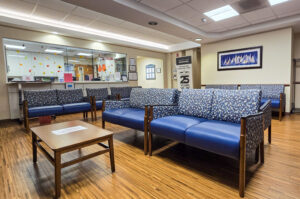
Allentown, PA – Step inside the College Heights Endoscopy Center and explore our state-of-the-art facility from the comfort of your home with our new 360° virtual tour. Renowned for our commitment to high-quality healthcare, we take pride in maintaining a welcoming and serene environment that ensures our patients’ peace of mind.

Take the Google 360 Tour

Get a closer look at the exceptional care we provide with our interactive 360° tour, captured by a certified Google photographer. Journey through our inviting reception area, advanced procedure rooms, and peaceful recovery spaces—all designed with patient comfort as a top priority. At College Heights Endoscopy Center, transparency is key. We believe that by offering a full view of our facility, you can feel confident and at ease even before stepping through our doors. This virtual tour aims to reduce any pre-visit worries and build trust by showcasing our commitment to patient care.
Why Choose the College Heights Endoscopy Center?

  • Modern, Welcoming Environment: Our facility is carefully maintained to ensure cleanliness and comfort, offering a positive experience from the moment you enter.
  • Tailored, Compassionate Care: Our dedicated team is focused on providing personalized, patient-centered care to meet your individual healthcare needs.
  • See Before You Arrive: Through our virtual tour and photo gallery, you can get a feel for our center before your visit, promoting confidence and informed decision-making.

At College Heights Endoscopy Center, we blend top-tier medical care with a calm, comfortable atmosphere designed to ease your experience. We invite you to take the tour and discover how we’re committed to your well-being at every step.

Filed Under: News Tagged With: 2285

Holiday Gatherings with Stomach-Friendly Foods: Tips for Enjoying the Season Without the Stress

December 3, 2024 by Emily Grant

The holidays are a time for gathering with loved ones, but for those who have stomach issues or specific gastrointestinal conditions, navigating holiday meals can feel like a balancing act.

The good news? With a little planning and the right food choices, you can savor the season without unnecessary discomfort.

Here’s a guide to help you fill your plate with stomach-friendly options at holiday gatherings. (Remember: Always consult your doctor if you have concerns about your diet or specific symptoms.)

Foods to Choose at Holiday Dinners

When you’re looking for foods that provide flavor, nutrition, and a comfortable post-meal experience, these options are your go-to picks:

  • Turkey
    A classic centerpiece of holiday meals, turkey is a leaner alternative to red meat and a great source of protein and vitamin B12, supporting your energy levels without being too heavy on your digestive system.
  • Nuts
    For a pre-dinner snack, grab a handful of nuts. They’re packed with protein and fiber, which can help you feel full and avoid overindulging later.
  • Green Beans
    Opt for steamed green beans over boiled ones to preserve their nutrients. They’re high in fiber, which is great for your gut, and they add a refreshing crunch to your plate.
  • Cranberries
    Whether fresh or as a side dish, cranberries are loaded with antioxidants, making them a festive and healthy choice.
  • Homemade Gravy
    Depending on the ingredients, homemade gravy can be a gentler option for your stomach. Stick to gravies made without heavy fats or excess dairy.
  • Carrots
    Loaded with vitamins, carrots are another stomach-friendly option that pair well with any holiday meal.
  • Butternut Squash
    High in fiber and bursting with flavor, butternut squash is both satisfying and nutritious, making it a great side dish option.

Gut-Friendly Dishes to Make or Bring

If you’re contributing to the meal or hosting, consider these dishes that pack a health punch without being too hard on sensitive stomachs:

  • Herb-Roasted Potatoes
    Potatoes are an excellent source of potassium. Instead of rich cheesy casseroles, try roasting them with herbs and spices or mashing them with garlic for a flavorful yet lighter option.
  • Salad with Sunflower Seeds
    A fresh salad is always a win. Toss in some sunflower seeds for added crunch and nutrients, but be cautious with the dressing—bringing your own can ensure it’s something your stomach tolerates well.
  • Fiber-Packed Veggies
    Broccoli and Brussels sprouts are loaded with fiber, helping you feel full and offering gut-friendly benefits. If these tend to upset your stomach, go for smaller portions or cook them to a softer texture to aid digestion.

Holiday Eating Tips

  • Don’t Skip the Fiber
    While fiber is essential for gut health, it’s best to balance it with other foods to avoid discomfort. Aim for a mix of fiber and protein on your plate, along with all the veggies.
  • Plan Ahead
    If you’re worried about what’s being served, consider offering to bring a dish you know works well for you. This ensures there’s at least one thing you can enjoy without stress.
  • Listen to Your Body
    Everyone’s digestive system is unique. If certain foods on this list don’t sit well with you, skip them. Your comfort matters most.

At Gastrointestinal Specialists, P.C., in Troy, Mich., we understand that managing your gastrointestinal health during the holidays can be tricky. If you’re unsure about the best foods for your condition or symptoms, give us a call. Together, we can create a personalized plan to help you enjoy this season to the fullest.

Filed Under: News Tagged With: 2110

Add Shoes to Your Holiday Wish List for Foot and Joint Health

December 1, 2024 by Emily Grant

If we spend about half of our day standing up, we should prioritize comfortable footwear. It’s not too late to add new shoes to your holiday shopping list. Wearing the wrong shoes can affect your feet as well as your knees and hips.

Selecting proper footwear with arch support and a cushioned sole can stabilize joints and reduce pain associated with arthritis.

Common Problems That Cause Chronic Foot Pain

Pressure and friction cause most foot problems, so it is helpful to know some specifics about the anatomy of your foot. Many people experience pain because of their foot arch being too high or too low.

“X-rays of the foot reveal what kind of foot arch you have along with the structure of the foot,” said Ronald Lepow, DPM, assistant professor of orthopedic surgery at Baylor. “If you are experiencing pain, knowing these two things will help dictate a care plan.”

Arthritis or genetic predisposition can cause bunions, or bony growths that form where the big toe meets the foot. Bunions cause the big toe to turn inward toward the other toes. Wearing shoes with a narrow toe box can put pressure on the bunion and cause more inflammation.

Osteoarthritis can deform joints and allow bone spurs to develop in the heel. Bone spurs can interfere with joint mobility or put pressure on nerves.

Why Good Shoes Are Important

The key to maintaining mobility in older age is daily movement. Choosing the right shoes for your feet is especially important if you have osteoarthritis, rheumatoid arthritis or any other arthritic condition.

“Your feet determine how the mechanical forces of standing, walking and running get distributed to the knees, hips, back and spine,” said Robert M. Joseph, DPM, PhD, a podiatrist and spokesperson for the American College of Foot and Ankle Surgeons. “Shoe gear plays a critical role because it can change, for better or worse, how those forces are distributed.”

Sometimes, the correct pair of shoes can lower or eliminate foot pain.

  • Choosing shoes with a wider toe box can relieve bunion pressure.
  • Selecting a cushioned sole can prevent bone spur discomfort.
  • Using shoe inserts can make walking more comfortable for people who have high or low arches.

How to Choose Shoes That Support Your Joints

You don’t have to wear orthotic shoes if you experience foot pain. However, some shoes provide more support and comfort than others.

Sneakers or Walking Shoes

Your athletic shoes may be the most important pair of shoes you purchase. There are two major categories:

  • Neutral shoes are lightweight and work well for people with normal arches.
  • Stability athletic shoes have a dense, cushioned midsole that provides shock absorption and prevents the foot from overpronation, or rolling inward. Overpronation can increase injury risk because it puts additional stress on muscles, ligaments and joints.

Dress Shoes

When shopping for dress shoes, prioritize function and comfort over style.

Men should look for a firm shoe that bends only in the front. Wider toe boxes will provide more comfort than narrow, so it is best to try on and compare several different styles.

Women should avoid a heel height of over 1.5 to 2 inches. Over time, wearing high heels can cause Achilles tightness that can require surgery. Wide rubber-soled wedges with a thick platform in the front can keep the ankle joint stable and prevent injury, according to the Arthritis Foundation.

Exercises for the Feet And Ankles

After you’ve purchased shoes that have adequate cushioning and support, you can focus on strengthening the muscles in your ankles and feet.

  1. Calf stretch — Stand in front of a wall and put your right leg in front of your left leg. Reach both arms to the wall. Press the left heel into the ground and straighten the left leg while you continue to bend the right leg. Hold at least 15 seconds and then switch legs.
  2. Calf raises — Stand behind a chair and place your hands on the back of the chair for support. Lift your heels off the ground and lower them.
  3. Toe and heel taps — Sit toward the edge of your chair with both feet flat on the floor. Extend one leg forward and tap the heel on the floor. Return to the starting position and repeat 10 times with each leg.

Visit Your Orthopedist About Chronic Joint Pain

You don’t have to live with daily joint pain. Instead of using the internet to try to self-diagnose, call your orthopedist. During your appointment, you can talk about anything from your medical history to the type of shoe you wear. Your orthopedist will provide you with treatments to help you remain active and independent.

Sometimes you can obtain relief through physical therapy, a cortisone shot or a fitted pair of shoes. In other instances, you may need a procedure to repair damage or restore mobility. Total hip or total knee replacement could be the solution if you have already tried non-surgical treatments.

Schedule an appointment with your orthopedist for an accurate diagnosis and a prompt treatment plan. You don’t want to miss any activities during this festive time of year.

Filed Under: News Tagged With: ortho

Protect Children’s Vision: Buy Safe Toys This Holiday Season

December 1, 2024 by Emily Grant

“You’ll shoot your eye out!” is one of the most well-known quotes from “A Christmas Story.” People chuckle when Ralphie’s Red Rider BB gun pellet ricochets off the metal target and breaks his glasses, yet it isn’t funny when it happens in real life.

Every year, emergency rooms treat thousands of eye injuries. Unsafe toys can lead to eye injuries or blindness, so it’s crucial for parents to exercise caution when selecting holiday gifts for their children.

Toys Top Holiday Wish Lists

According to the Toy Association, parents are prioritizing toys this year for their children. Almost 70 percent of surveyed parents said they were willing to reduce other spending so they can buy the most popular toys.

Another survey predicts toys will be one of the most popular presents this season, second only to clothing and gift cards. It’s clear that toys provide immense happiness for children and the young at heart, but well-meaning efforts can lead to trouble if parents fail to research properly.

Prevent Blindness America has pronounced December as Safe Toys and Gifts Awareness Month. The organization encourages toy buyers to consider the abilities and skills of the recipient of the toy, particularly for children under three.

You can protect your child’s vision by …

  1. Purchasing age-appropriate toys.
  2. Showing them how to use the toy.
  3. Supervising play time to avoid eye injury.

Common Eye Injuries from Toys

No grandparent or parent wants to take the fun out of creative play. However, some toys are more likely to cause accidents.

Injuries from Projectile Toys

Projectile toys are among the most dangerous. These include BB guns, airsoft rifles, archery sets and water balloon launchers.

Air guns are extremely popular for adolescents, but they can cause permanent eye injury. Emergency cases from airsoft guns have increased by 600 percent since 2010, making it the leading cause of children’s eye injuries that require hospital admission.

Even Nerf guns can cause eye damage like cuts, elevated eye pressure and cataracts. Some crossbow arrows can travel up to 150 feet. Whether made of plastic or foam, arrows and darts can cause significant harm when fired at close range.

Injuries from Sharp Objects

Toys that have sharp or pointed edges can also cause eye damage. Swords, magic wands and light sabers can cause injury to the eyes or other parts of the body.

The most common eye injuries from sharp toys include the following:

  • Retinal detachment
  • Corneal abrasions
  • Corneal ulcers
  • Internal bleeding in the eye
  • Traumatic cataracts

Tips on How to Choose Safe Toys

Parents, loved ones and caregivers can reduce the risk of childhood eye injury and blindness by following some safety guidelines when shopping for toys:

  1. Make sure your child falls within the age guidelines for the toy.
  2. Look for “ASTM” on the packaging. This means the toy meets safety regulations created by the American Society for Testing and Materials.
  3. Read warnings on the box and follow all safety instructions.
  4. Examine the toy to check for sturdiness and ability to sustain impact.
  5. Purchase correct accessories like helmets and safety glasses made with polycarbonate lenses for children who play sports like football, soccer, baseball, basketball, hockey and racquet sports. Proper eyewear can prevent up to 90 percent of eye injuries.
  6. Stay updated on toy recalls. The U.S. Consumer Product Safety Commission posts recalls on their website.

After you purchase the toy, use the instruction manual to assemble the toy correctly. Store toys in a safe place that young children cannot access. If parts get loose or go missing, fix the toy or dispose of it.

Stocking Stuffers That Can Cause Eye Pain

Many toys appear to be benign but can pose serious threats to vision.

You may think a laser pointer would make a great stocking stuffer, but it’s not a toy for play. Laser pointers can cause anything from flash blindness to retinal burns.

LED flashlights may seem like a better option than laser pointers, but flashlights can be dangerous too. Bright light can cause temporary blindness and make kids fall or collide with someone else, putting them at risk for eye injury.

Silly String is another popular stocking stuffer. While it may sound like fun to have a Silly String war, the chemicals in the string can cause significant eye irritation.

Make an Appointment for An Eye Exam with Dilation

Besides buying safe toys, you can do something else to protect your children’s vision. Annual comprehensive eye exams are the best way to monitor vision and detect eye problems at an early stage when they are most treatable.

Some common pediatric eye conditions include the following:

  1. Refractive errors or focusing problems — This includes myopia (nearsightedness), hyperopia (farsightedness) and astigmatism (irregularly shaped cornea).
  2. Amblyopia, or lazy eye — If left untreated, it could cause permanent vision loss.
  3. Strabismus, or misaligned eyes — Untreated strabismus can lead to amblyopia.
  4. Pediatric cataracts — This affects about 20,000-40,000 children per year worldwide.

Your vision is your most important sense. Therefore, an eye exam is just as important as your annual physical.

Yearly eye checks are important for the whole family’s overall health. Call your eye care center and make an appointment for eye exams with dilation. Your eye doctor will assess your visual acuity, update your prescription and screen you for eye diseases like cataracts, age-related macular degeneration, diabetic retinopathy and glaucoma.

Make the holidays brighter by scheduling an appointment for an eye exam. Healthy vision is a precious gift, so care for it well.

Filed Under: News Tagged With: eye

Get Quality Sleep to Prevent Colon and Rectal Cancer

December 1, 2024 by Emily Grant

Is there anything cozier than the warmth of your own bed? Sleep may feel like a luxury, but our bodies depend on adequate rest as much as a healthy diet and regular exercise.

Proper sleep and easy waking in the morning can boost overall health and offer protective benefits against colorectal cancer, a leading cause of cancer death.

Sleep Habits Can Influence Cancer Risk

Previous studies associate cancer risk with lifestyle factors, like smoking, alcohol use, obesity and a low-fiber diet. Experts have identified sleep problems as a factor, but most studies have been observational.

A new study published in the Journal of Gastrointestinal Oncology suggests certain sleep habits may influence colon and rectal cancer risk. Getting enough sleep at night and the ability to wake up easily could help prevent colorectal cancer.

Researchers at the First Affiliated Hospital of Chongqing Medical University in Chongqing, China, used previously collected data from 337,000 patients between the ages of 40 and 69. The team looked at seven specific traits in the participants: sleep duration, ease of getting up in the morning, daytime napping, daytime dozing, insomnia symptoms, snoring and being a “morning person” or not.

The study found that sleep duration and ease of getting up in the morning could be protective factors against colorectal cancer. Snoring, however, may increase the risk for developing cancer in the rectum or colon.

Why Are We Not Getting Enough Sleep?

According to a Gallup poll, half of Americans say they would benefit from more sleep, and 20 percent of Americans are getting fewer than five hours of sleep per night. Although pinpointing one specific cause is challenging, many would concur that our hectic, goal-driven lifestyles often lead to significant stress and poor sleep habits.

Technology can help us accomplish more, but smartphones and electronics are a source of constant distraction. Because we focus on what we need to accomplish, we may not value sleep as much as previous generations. Unfortunately, sleep problems are causing some major health concerns.

Common causes of sleep deprivation include factors such as the following:

  • Stress
  • Chronic pain
  • Irregular sleep schedule
  • Medications
  • Poor sleeping habits
  • Neurological disorders
  • Mental health issues
  • Sleep disorders
  • Pregnancy
  • Obstructive sleep apnea

People are more likely to suffer from insomnia if they experience a combination of factors. Women are more likely to have insomnia than men, and older adults are at higher risk than younger people.

How to Improve Sleep Duration

Some people naturally wake easier in the morning than others, but everyone can improve sleep duration. If sleeping longer can help prevent colorectal cancer, we should make it a goal to improve our sleep hygiene.

Increase the Amount of Time You Spend in Bed

The average American needs seven to eight hours of sleep to allow the body and brain to sufficiently rest. Knowing how much sleep you need every night will help you plan your evening around your bedtime.

Most people calculate the number of hours they sleep by when they get into their bed. No one falls asleep instantaneously, though. Most adults with healthy sleep patterns can fall asleep after 15 to 20 minutes, but sleep comes much slower for those who haven’t created good habits.

If your mind is racing or you feel stressed, it will take much longer to fall asleep, and you may not stay asleep. If you know how long it takes you to fall asleep, add that amount of time to your desired number of hours of sleep, and calculate your bedtime accordingly.

Turn Off Electronics and Charge Them in Another Room

Scrolling social media or playing video games before bed can impact your ability to fall asleep. Blue light from electronics can disrupt your circadian rhythm and cause the brain to think it is time to wake up. About an hour before you go to bed, power down your phone for the night. Avoid charging your phone on your nightstand because you may feel the need to check it.

Avoid Foods That Cause Reflux and GERD

Health problems like reflux can make it harder to fall asleep. Sometimes, you can manage symptoms of heartburn, indigestion and regurgitation by eating smaller meals. Avoiding foods that are fatty, spicy and acidic or excluding carbonated drinks, alcohol, caffeine, chocolate and mint may lower reflux risk.

If you experience persistent reflux symptoms, you may have gastroesophageal reflux disease (GERD). Experts estimate one in five Americans has GERD, but many people are unaware they have it. Warning signs for GERD include sore throat, persistent cough, hoarseness, frequent throat clearing, nausea and chest pain.

Incorporate Sleep-Inducing Foods Like Almonds

While certain foods may keep you awake at night, almonds may help you sleep more soundly. One study found eating almonds every day improved sleep quality in adults who had sleep trouble.

“Almonds are rich in bioactive phytochemicals, magnesium, zinc and melatonin, all of which are known to promote sleep,” wrote Lancelot Pinto, MBBS, DNB, MSc, consultant pulmonologist and epidemiologist at P.D. Hinduja Hospital and Medical Research Centre in India.

According to the Sleep Foundation, other foods that can help you fall asleep include cherries, kiwi, rice, milk, fatty fish and nuts.

Establish Habits That Create Healthy Sleep Hygiene

No magic food will cure unhealthy sleep habits. The most effective way to get the sleep you need is to follow a nightly routine.

  1. Turn off overhead lights in the evening and use floor lamps to provide light. You can also use dimmer switches in common areas.
  2. Turn off the TV and electronics at the same time each night.
  3. Play quiet music.
  4. Take a warm bath or shower.
  5. Try to meditate before bedtime.
  6. Read a favorite book or write in your journal.
  7. If your mind is racing or you feel anxious, have a notepad next to your bed and jot down a short to-do list for tomorrow.

Schedule a Colonoscopy or Other Colon Cancer Screening

The average risk for colorectal cancer is 1 in 23 for men and 1 in 25 for women. While the mortality rate from colon cancer among older adults is declining, it is rising among adults younger than 50.

People often assume colorectal cancer only affects the elderly, but this is not true. No one is too young to develop colon cancer. The United States Preventive Services Task Force advises that all adults should start colon cancer screenings at 45 years old; however, those at increased risk or with digestive symptoms should undergo screening sooner.

Colonoscopy is the gold standard for colon cancer screening because it allows your doctor to view the inside of your colon and remove pre-cancerous polyps. Therefore, colonoscopy can detect and prevent cancer in the rectum and colon.

Other tests can detect abnormalities, but they cannot diagnose or prevent cancer. Individuals with an average risk of colon cancer might not require a follow-up colonoscopy for a decade, making this procedure a practical screening choice.

Call your GI center and make an appointment with your gastroenterologist for a colon cancer screening. If you are experiencing symptoms of other medical conditions like GERD, Crohn’s disease, ulcerative colitis, irritable bowel disease or diverticulitis, you should make an appointment for a consultation.

Your digestive health and comfort are worth the investment.

Filed Under: News Tagged With: gi

Take a Google 360 Virtual Tour of MidAtlantic Endoscopy

November 21, 2024 by Emily Grant

Step inside MidAtlantic Endoscopy and explore our state-of-the-art facility from the comfort of your home with our new 360° virtual tour. Renowned for our commitment to high-quality healthcare, we take pride in maintaining a welcoming and serene environment that ensures our patients’ peace of mind.

Take the Google 360 Tour

Get a closer look at the exceptional care we provide with our interactive 360° tour, captured by a certified Google photographer. Journey through our inviting reception area, advanced procedure rooms, and peaceful recovery spaces—all designed with patient comfort as a top priority. At MidAtlantic Endoscopy, transparency is key. We believe that by offering a full view of our facility, you can feel confident and at ease even before stepping through our doors. This virtual tour aims to reduce any pre-visit worries and build trust by showcasing our commitment to patient care.

MidAtlantic Endoscopy – Harrisburg Pike

MidAtlantic Endoscopy – Ephrata on Oregon Pike

Why Choose MidAtlantic Endoscopy?

  • Welcoming and Comfortable Environment: Our facility is meticulously maintained to provide a clean, comfortable space that enhances your experience from the moment you arrive.
  • Personalized, Compassionate Care: We prioritize patient-centered care, tailoring each treatment to your unique needs while making you feel valued and cared for.
  • Get Familiar Before You Visit: Our virtual tour and photo gallery allow you to see our center in advance, helping you feel more confident and informed about your upcoming visit.

At MidAtlantic Endoscopy, we combine leading-edge medical care with a peaceful, comfortable atmosphere, ensuring a positive experience at every stage. Take the tour today and see firsthand how we are dedicated to supporting your well-being.

Filed Under: News Tagged With: 2310

Breaking the Stigma of Colon Cancer Screening for Men

November 19, 2024 by Emily Grant

Movember is dedicated to raising awareness about men’s health, so it’s the perfect time to talk about one of the most crucial—and often overlooked—health screenings: A colonoscopy.

There are many reasons why you should get a colonoscopy, but perhaps the most important is that it’s the best tool to prevent colon cancer.

But men (and women, too) put off this simple and potentially life-saving procedure due to stigma, myths, or misunderstandings.

Let’s break down the barriers, bust some myths, and make colonoscopies as common a topic as that ‘stache you’re growing this month. After all, a real hero isn’t just about growing a mustache—it’s taking steps to safeguard their health.

The “Taboo” of Talking about Colon Health

Talking about our digestive system can feel awkward, unless it’s about making jokes. But here’s the thing: colon health is central to overall wellness. When we avoid screenings like colonoscopies, we’re putting our health at risk.

While it might seem uncomfortable to talk about, the reality is that a colonoscopy is one of the most effective ways to catch colon cancer in its earliest stages, or even prevent it entirely by removing polyps. And the more we talk about it, the more we can get everyone on board with getting a colonoscopy.

Myth-Busting: Clearing Up Misconceptions about Colonoscopies

For many men, the hesitation about getting a colonoscopy stems from misunderstandings–but knowing what to expect during a colonoscopy can help. Here are a few myths worth busting:

  1. “It’s going to hurt.”
    • Actually, a colonoscopy is usually painless. Thanks to sedation, most patients don’t feel a thing and often wake up wondering if the procedure even started!
  2. “It’s too embarrassing.”
    • Your healthcare providers are here to take care of your health, not to judge! For them, performing a colonoscopy is routine and focused solely on ensuring your wellbeing.
  3. “I don’t have symptoms, so I don’t need it.”
    • Colon cancer often develops silently, without symptoms in the early stages. By the time symptoms appear, the cancer may already be advanced. A colonoscopy is a proactive way to screen for and even prevent cancer before symptoms arise. (These colon cancer facts and statistics can help save your life.)

Why Men Should Prioritize Colonoscopies

A colonoscopy can identify risk factors (such as polyps) early, and allow for early intervention to prevent colon cancer and rough treatments in the future.

So, this Movember, let’s start a new tradition: encourage the men in your life to take action for their colon health. It might just be one of the best preventive moves they can make for themselves—and their families.

Schedule Your Colonoscopy

The second you turn 45, it’s time for a colonoscopy—though you’ll want yours sooner if there’s a family history of colon cancer or other risk factors.

Due for a colonoscopy colon cancer screening? Reach out to us at Gastrointestinal Specialists, P.C. in Troy, Mich., and we’ll walk you through the process, answer any questions, and ensure it’s a smooth experience.

You’re not alone—we’re here to support you on every step of your health journey.

Filed Under: News Tagged With: 2110

Spotlight on Dr. Jay Talsania: Making a Global Impact with the Healing Hands Foundation

November 18, 2024 by Emily Grant

At the Surgery Center of Allentown, we are proud to have exceptional physicians who not only provide outstanding care locally but extend their expertise globally. One such physician is Dr. Jay Talsania, whose dedication reaches beyond our center through his impactful work with the Healing Hands Foundation.

Dr. Talsania was recently featured on WFMZ’s Sunrise segment, where he shared insights about his humanitarian efforts in Guatemala. The Healing Hands Foundation provides critical medical aid to communities with limited access to healthcare, helping to transform lives through specialized surgical care.

During his interview, Dr. Talsania discussed the life-changing experiences he’s had while volunteering, the challenges faced by these communities, and the profound sense of fulfillment that comes from giving back.

We invite you to watch the full interview to learn more about Dr. Talsania’s inspiring work and how the Healing Hands Foundation is making a difference.

Watch the interview here.

Filed Under: News Tagged With: 2269

  • « Previous Page
  • 1
  • …
  • 11
  • 12
  • 13
  • 14
  • 15
  • …
  • 87
  • Next Page »