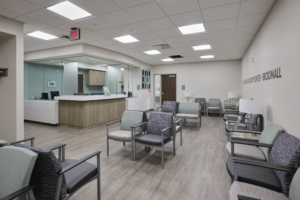
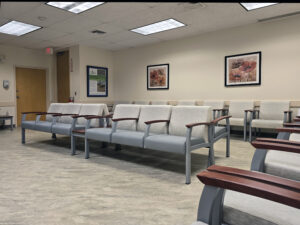
Take a Google 360 Virtual Tour of Endoscopy Center of Red Bank

September 16, 2024 by Emily Grant

Red Bank, NJ – The Endoscopy Center of Red Bank invites you to explore the exceptional care and welcoming environment of our entire facility through a new, immersive experience. Known for healthcare excellence, our center’s clean and comforting surroundings reflect our dedication to patient well-being.

Take the Google 360 Tour

Discover the comprehensive care we provide with our new 360° virtual tour, professionally captured by a certified Google 360 photographer. From the welcoming reception area to our cutting-edge procedure rooms and tranquil recovery spaces, every aspect is designed with your comfort in mind. Transparency is a core value at the Endoscopy Center of Red Bank, and we want you to see firsthand the exceptional care patients receive daily. This virtual tour helps ease pre-visit concerns and fosters trust by giving you a full view of our facility.

Why Choose the Endoscopy Center of Red Bank?

  • Endoscopy Center of Red Bank exterior

    Comprehensive, Inviting Facilities: Experience a healthcare environment where cleanliness and comfort are priorities, from the lobby to our procedure rooms.

  • Personalized Care: Our experienced professionals are dedicated to addressing your unique health needs, ensuring a patient-centered experience every step of the way.
  • Informed Decisions: The virtual tour and photo gallery offer insights into our center, promoting transparency and confidence in your healthcare choices.

At the Endoscopy Center of Red Bank, we combine top-tier medical care with an atmosphere designed to put you at ease. We invite you to explore the difference at our meticulously maintained facility.

Filed Under: News Tagged With: 2326

Take a Google 360 Virtual Tour of Ridgedale Surgery Center

September 12, 2024 by Emily Grant

Cedar Knolls, NJ – Ridgedale Surgery Center invites you to experience the exceptional care and inviting atmosphere of our entire facility. Known for excellence in healthcare, our center’s clean and welcoming environment underscores our dedication to patient comfort and care.

Take the Google 360 Tour

Discover the comprehensive care we offer through an immersive 360 virtual tour, meticulously captured by a certified Google 360 photographer. From the welcoming reception area to our state-of-the-art procedure rooms and tranquil recovery spaces, every detail is designed with your well-being in mind. Transparency is one of our core values, and we want you to see the quality of care patients receive every day. This virtual experience exemplifies our commitment to transparency, allowing you to explore our entire facility, reducing pre-visit anxiety and fostering trust.

Why Ridgedale Surgery Center?

  • Comprehensive and Inviting Facilities: Experience healthcare in an environment where cleanliness and comfort are paramount, from the lobby to the procedure rooms.
  • Personalized Care: Our skilled professionals are dedicated to your unique health needs, ensuring a patient-centered approach throughout your visit.
  • Informed Decisions: The virtual tour and detailed photography gallery offer insights into our center, promoting transparency and confidence in your healthcare choices.

At Ridgedale Surgery Center, we blend unparalleled medical care with an environment that prioritizes your comfort and peace of mind. We invite you to discover the difference at our state-of-the-art facility.

Filed Under: News Tagged With: 2324

Explore Our Center with Our New Google 360 Virtual Tour

September 12, 2024 by Emily Grant

At Memorial Same Day Surgery Center West, we are excited to announce the launch of our new Google 360 virtual tour, offering you a transparent, comprehensive look at our state-of-the-art facility! This interactive tool allows you to explore our surgery center from the comfort of your home, giving you a clear sense of the care and comfort we provide to every patient.

Our virtual tour showcases all areas of our center, from the welcoming reception area to our advanced surgical suites. We know how important it is to feel confident about your care, and we believe that providing this inside view will help you understand what to expect when you arrive for your procedure.

Memorial Same Day Surgery Center West specializes in a wide variety of procedures, including ACL repair, colonoscopy, cataract surgery, orthopedic procedures, and many more. Our board-certified physicians are highly experienced, and we’re proud to offer the best in outpatient care.

We invite you to take the virtual tour at the top of this page or visit our Google My Business listing to explore our photo gallery and take the tour there. We’re committed to providing transparency and peace of mind, ensuring that every patient experiences the highest quality care in a comfortable, modern environment.

Take the tour today and discover what makes Memorial Same Day Surgery Center West the right choice for your surgical needs.

Filed Under: News Tagged With: 2289

From Sight to Shadows: Cataract Impacts Patient’s Vision

September 8, 2024 by Emily Grant

Living near New York City, Lissette Gonzalez often visits the Museum of Modern Art and watches off-Broadway productions with her family.

This spring, a cataract in her right eye affected her vision, impacting her travels to the Big Apple.

“All I could really make out would be like shadow and light,” she said. “It got to the point where I would have my son stand in front of me and just wave his hand.”

The Hudson County, New Jersey, woman said the vision loss made navigating the crowded city difficult.

“I was legitimately scared to walk, to cross the streets,” Gonzalez, 50, said. “I should not be scared just to walk down city streets that I’m used to walking. It’s not like I never go to New York.”

Cataracts are the leading cause of preventable blindness worldwide and of vision loss in the United States. If not treated, cataracts may impair or cause complete loss of eyesight.

Blurry Vision Leads to Eye Exam, Cataract Diagnosis

Hardik Parikh, MD, FAAOGonzalez’s journey began about 19 months ago when she started noticing changes in her eyesight. She made an appointment with ophthalmologist Hardik Parikh, MD, FAAO, in early 2023.
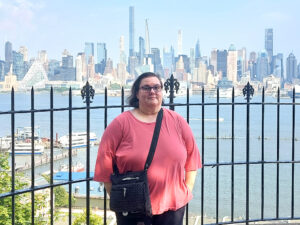
“She came to me with a vision problem in her right eye,” Dr. Parikh said. “She wasn’t seeing clearly for the last few months. She was having a harder time working at her computer, tending to have to refocus constantly. Her vision at nighttime was also impacted. She was having a lot more glare than she was normally accustomed to.”

After a comprehensive eye exam, Dr. Parikh diagnosed Gonzalez with a posterior subcapsular cataract. This fast-developing cataract starts in the backmost part of the lens in the eye and blocks the center part of your vision where the light passes through.

A patient has two options when diagnosed with a cataract. They can wait and adjust their glasses or contacts or have cataract removal surgery, according to Dr. Parikh.

“I would definitely recommend the procedure,” he said. “Cataract surgery overall is one of the safest procedures that we have in all of ophthalmology.”

Gonzalez determined her slightly blurry vision was manageable and delayed cataract surgery. A posterior subcapsular cataract is generally faster growing than other cataracts. About 14 months after her initial diagnosis, Gonzalez experienced light perception vision.

“Even if we took a hand and waved it in front of her eye, going back and forth, she wouldn’t know that the hand was there,” Dr. Parikh said.

Choosing an Intraocular Lens and Cataract Surgery

In March, Gonzalez scheduled her cataract surgery for June 13 at an ambulatory surgery center (ASC). ASCs offer safe, high-quality outpatient medical procedures.

During this procedure, a doctor replaces the cloudy lens of a patient’s eye with an artificial lens. This intraocular lens (IOL) is a clear, plastic lens that becomes a permanent part of the eye.

Depending on your visual needs and lifestyle, several IOLs are available.

  • Monofocal Lenses help with distance vision, but you may still need glasses for reading or if you have astigmatism. Medicare and other insurance plans usually cover these.
  • Astigmatism-correcting Monofocal Lenses correct your astigmatism as well as your cataracts during one simple procedure. Most people only need glasses for reading after surgery.
  • Multifocal or Extended Depth of Focus Lenses help you see both near and far, so you may be able to go glasses-free after surgery.

Gonzalez selected a monofocal IOL and opted to undergo femtosecond laser-assisted cataract surgery. In this procedure, Dr. Parikh designed a specific surgical plan with a 3-D image of her right eye called optical coherence tomography (OCT).

“We’re using technology to better augment a surgeon’s hands, making tasks easier, more efficient, more predictable, and more standardized,” Dr. Parikh said. “Anything that really helps with the patient’s outcome at the end of the day is a win for us.”

By surgery day, Gonzalez said she was ready to regain her sight.

“I felt at ease with the procedure,” she said. “Sure, with any procedure there’s a risk, but I, personally, at that moment, felt like I had nothing to lose because I already had no sight and it was affecting my quality of life.”

After a seamless surgery-day process, Gonzalez returned the next day for her follow-up appointment.

“Laser-related surgery is really putting yourself in the hands of professionals that can deliver results,” she said. “I walked out of there being able to see again. I had my sight back.”

Dr. Parikh prescribed eye drops for Gonzalez to prevent infection and to reduce inflammation over the next few weeks.

“By about the first month after surgery, they’re generally off all eye drops and they’re back to living their normal lives as things were before the surgery,” he said.

Patient Returns to the Big Apple without Fear

Today, Gonzalez said her vision is better than ever. Her right eye is 20/20 and she has new prescription glasses to accommodate her left eye, which also has a small cataract.

Her restored sight gave Gonzalez confidence to return to New York City. She recently watched an off-Broadway play and viewed her favorite artwork by French Neo-Impressionist painter Paul Signac at the Museum of Modern Art.

“I was able to see everything comfortably,” she said. “I didn’t really deprive myself of my typical activities [before], but what I appreciate is being able to do them without a sense of fear. Just being able to move in the world without having to worry … It just feels good just feeling safe.”

Prioritizing her eye care and cataract surgery restored Gonzalez’s vision and quality of life.

“My only regret was not doing it sooner,” she said.

Schedule a Visit with Your Eye Doctor

September is designated as Healthy Aging Month to raise awareness of the signs and symptoms of vision loss. One in six Americans aged 65 and older have a vision impairment that cannot be corrected with glasses or contact lenses.

Prioritize your vision health by scheduling a visit with your ophthalmologist for a comprehensive eye exam. Your eye doctor will check your visual acuity, evaluate your current eye prescription and screen you for eye conditions like cataracts, glaucoma and macular degeneration. Call today for an appointment.


This article is designed for educational purposes only. The information provided should not be used for diagnosing or treating a health concern or disease. It is not a substitute for professional care. If you have or suspect you may have a health concern, you should consult your healthcare provider.

Filed Under: News Tagged With: eye

Healthy Choices Can Lower Your Colon Cancer Risk

September 2, 2024 by Emily Grant

A new study finds that you can lower cancer risk by 40 percent by changing your lifestyle, and colon cancer is one type that is most responsive to habit changes.

Colon Cancer Is a Leading Cause of Cancer Death in Men and Women

Colorectal cancer (CRC) is the second-leading cause of cancer death in the United States. In this year alone, doctors will diagnose about 106,590 new cases of colon cancer and 46,220 new cases of rectal cancer. The American Cancer Society (ACS) estimates that 53,010 Americans will die of colon or rectal cancer by the end of 2024.

Modifiable Risk Factors Linked to Cancer Deaths

Researchers at the ACS found that four in 10 cancer cases and half of cancer deaths in adults older than 30 in the United States could be caused by modifiable risk factors. Some of these factors include the following:

  • Smoking
  • Obesity or high body mass index (BMI)
  • Sedentary lifestyle
  • Nutrition
  • Alcohol consumption
  • Infections

Smoking cigarettes was the primary cause of almost 20 percent of cancer diagnoses and 30 percent of cancer-related fatalities, making it the top risk factor.

Modifiable Risk Factors Highly Influence Colon Cancer

The study found that modifiable risk factors do not affect all cancers equally. Cancer types with the highest number of cases caused by modifiable risk factors included the following:

  • Lung cancer (210,660)
  • Female breast cancer (83,840)
  • Melanoma (82,710)
  • Colorectal cancer (78,440)

Cancers with the highest number of fatalities attributable to modifiable risk factors included the following:

  • Lung cancer (122,740)
  • Colorectal cancer (25,800)
  • Liver cancer (14,720)
  • Esophageal cancer (13,600)

Lifestyle Changes You Can Make to Lower Your Colon Cancer Risk

Heredity can increase your colorectal cancer risk, but most colon cancer develops from DNA mutations from the environment.

Modifiable risk factors cause more than half of colorectal cancer cases. You can take actionable steps to prevent colon cancer by doing these things:

  1. Quit smoking or make a commitment to never smoke. People who smoke are more likely to develop and die from cancer of the colon and rectum compared to non-smokers.
  2. Exercise regularly. Having a healthy BMI lowers your risk for colon cancer and other types of cancer, especially in men. Regular physical activity improves your overall health and prevents long-term health problems like high blood pressure, diabetes and heart disease.
  3. Consume foods rich in fiber, such as fresh veggies, fruits, whole grains and healthy fats, to lower the risk of obesity and colorectal cancer. Avoid eating processed and fatty foods as well as refined sugars.
  4. Avoid or limit your consumption of red meat and processed meats. Red and processed meats can cause inflammation that increases the risk of colon cancer. Replace ground beef, lamb and pork with lean chicken or fish.
  5. Drink water instead of soda or sweetened beverages. Sugary beverages cause spikes in blood sugar and make you feel hungrier than normal. Because drinks do not fill you up as quickly as solid foods, it is easy to overeat.
  6. Limit alcohol to celebrations. Colon cancer is linked to moderate to heavy alcohol use. It is best not to drink alcohol or to reserve it for special celebrations.

Get Support for Exercise and Nutrition Accountability

Most of the modifiable risk factors for colon cancer fall under the categories of exercise and food choices.

The ACS recommends 150-300 minutes of moderate-intensity or 75-150 minutes of vigorous-intensity activity each week. If you are new to fitness or looking for guidance, investing in personal training sessions can provide the support you need to kick-start your journey toward a healthier lifestyle.

Dieticians provide counseling on healthy eating habits. These professionals will help you prepare meal plans, select recipes or even go grocery shopping with you to select nutrient-dense foods that nourish your body and promote a healthy body weight.

Screenings Can Detect and Prevent Colon Cancer

Scheduling regular colorectal cancer screening tests is the best way to detect or prevent the development of colon cancer at an early stage. Colonoscopy is the most comprehensive colon cancer screening because it allows your doctor to inspect the colon and remove precancerous polyps (abnormal tissue) during the procedure.

Other screening tests like stool tests, CRC blood tests, CT colonography and flexible sigmoidoscopy are less invasive, but you must have a follow-up colonoscopy if any of these tests are positive for colon cancer. Follow-ups are recommended within six months after the positive results.

Adults who are at average risk for colon cancer should begin screening at age 45, unless they have a family history of the disease or a genetic syndrome. Lynch syndrome (hereditary non-polyposis colon cancer, or HNPCC) and familial adenomatous polyposis (FAP) are two types of colorectal cancer that are caused by inherited gene mutations.

Most insurance plans provide coverage for colon cancer screening beginning at 45, but call your insurance provider for more details about your health plan.

Do you need to get screened for colorectal cancer? Contact your gastroenterologist now to schedule a meeting to discuss strategies for developing a healthy lifestyle to reduce the risk of developing the disease.

Filed Under: News Tagged With: gi

Protect Your Family’s Vision With These Sun-safe Habits

September 2, 2024 by Emily Grant

Spending time outside can lower stress and boost your mood, but outdoor fun can increase your risk for UV exposure, eye infection or ocular injuries. Taking daily precautions can protect your eyes and prevent long-term vision damage.

Shield Your Eyes from the Sun

Ultraviolet (UV) radiation penetrates the eye more easily than visible light and can increase your risk of developing vision problems. UV rays cause a variety of eye issues, from corneal sunburn to eye growths and cancer, as well as degenerative eye diseases like the following:

  • Cataracts — clouding of the eye lens, which leads to vision loss and potential blindness
  • Age-related macular degeneration (AMD) — retinal damage, potentially resulting in permanent central vision loss

A wide-brimmed hat and a quality pair of sunglasses will block or reflect the harmful UV light from your eyes. When choosing sunglasses, opt for ones that offer 99-100 percent protection against UVA and UVB rays, or ones labeled with a UV400 rating.

How your sunglasses fit is just as important. A good pair of sunglasses should remain in place and provide wide coverage around your eyes. The frames should also minimize the amount of light that enters the eye from the sides, top and bottom (NEI).

One of the easiest ways to prevent UV damage is to stay inside when the sunlight is most intense, often between 10 a.m. and 4 p.m. The UV index can still be high when there is significant cloud cover. Make it a habit when you go outdoors to wear sunglasses, a wide-brimmed hat and sunscreen of at least 30 SPF.

If you have children, it is a wise idea to keep hats and sunglasses for every member of the family in the car.

Wear Safety Goggles for Sports or Activities

According to the American Academy of Ophthalmology, US emergency rooms treat almost 30,000 sports-related eye injuries per year. Experts estimate 90 percent of serious eye injuries could have been prevented if people wore appropriate protective eyewear.

One study found that basketball caused the most sports-related ocular injuries, followed by baseball, softball, airsoft rifles, pellet guns, racquetball and hockey.

Experts recommend athletes wear durable sports glasses with polycarbonate lenses for activities like basketball, tennis, soccer and field hockey.

“If you are participating in any sports or activities where there may be a risk for impact or eye injuries, then consider utilizing impact-resistant frames that meet ASTM standards,” said Fraser Horn, OD, dean of Pacific University College of Optometry in Oregon (AOA).

Wearing protective sports glasses with polycarbonate lenses can lower your risk of eye injury. If you or a family member play racquet sports or any activity that uses a ball, purchase impact-resistant frames that meet ASTM standards. Even those watching sports games can get hurt, so stay vigilant for flying balls, bats or gear that may come into the stands.

Sports are not the only activity that can cause eye injuries. Even yard work and cleaning your home can pose a threat to healthy vision. You should wear protective eyewear for any activity that involves the following:

  • Flying debris or small particles
  • Projectiles or objects that could become projectiles
  • Hazardous chemicals

Remove Contact Lenses and Wear Goggles in the Water

There’s nothing like an aquatic adventure to cool off from the summer heat. Swimming can pose threats to healthy eyes, so it is best to take precautions by creating new habits.

Wearing swim goggles can prevent chlorine irritation and infection from bacterial conjunctivitis (pink eye). Although it is rare, some swimmers may contract acanthamoeba keratitis, a rare and very serious infection caused by an amoeba.

“The eye is not great at fighting off different types of infections because it doesn’t have available blood supply to it,” said Masih Ahmed, MD, an assistant professor of ophthalmology at the Baylor College of Medicine in Houston. “If you have scratches in the cornea, which can happen from dry eye or even rubbing your eye, one of those microorganisms can get into those cuts and lead to infection.”

You can keep your eyes safe in the water by remembering these guidelines:

  1. Wear goggles.
  2. Remove contact lenses.
  3. Rinse your eyes after getting out of any body of water.
  4. Use artificial tears to hydrate your eyes.
  5. Avoid rubbing your eyes after swimming.
  6. Be cautious around natural bodies of water because of possible microorganisms.

Make Annual Eye Doctor Appointments for the Whole Family

Many people assume their eyes are healthy if they are not experiencing specific problems. The fact is, vision problems can develop without symptoms or pain.

A comprehensive eye exam with dilation is an easy way to monitor your eye health. Yearly vision checks will assess refractive errors and focusing problems and screen for eye diseases like cataracts, glaucoma and diabetic retinopathy. Regular eye exams can offer a window into your overall health and assess whether you are at higher risk for eye disease or chronic issues like high blood pressure.

Commit to healthy vision by calling your eye doctor to make eye appointments for your family. Ensure your eye health by wearing sunglasses, applying sunscreen and using protective eyewear. Contact your eye doctor if you have discomfort or new symptoms.

Filed Under: News Tagged With: eye

Improve Joint Care and Safeguard Your Home to Prevent Falls

September 2, 2024 by Emily Grant

The risk of falling increases with age, but you can prevent falls by exercising, managing your medication, visiting your doctor and making your home safer.

Falling Is a Serious Health Risk

Every 11 seconds, a senior visits an emergency department with a fall-related injury. According to the U.S. Centers for Disease Control and Prevention, falls caused 38,000 deaths in adults older than 65, making it the leading cause of injury death for that age group.

National Falls Prevention Awareness Week is Sept. 23-27. This initiative aims to ensure the safety of elderly individuals, decrease the likelihood of falls and raise awareness in communities about preventing falls. Falling is not a natural part of aging, but a fall can be devastating to mobility and overall health.

“Falls are the number one reason that older adults are institutionalized,” Daniel Frering, Mount Sinai Light and Health Research Center (LHRC) education program director, told LEDs Magazine. “Especially in much older people, people in their 80s — they typically don’t live a long time after they fall. If you can prevent falls, the health outcomes for older people are going to be greatly improved.”

Why Are Older Adults More Prone to Falling?

Many risk factors contribute to falling, and these factors tend to increase with age. Some include the following:

  • Vision problems
  • Difficulty with balance or walking
  • Vitamin D deficiency
  • Medications
  • Unsafe home setup

Commit to Daily Exercise and Joint-strengthening Activities

Exercise can reduce your risk of falls and minimize joint damage. You do not have to do strenuous activities to build muscle to support your joints.

“It doesn’t mean that you have to go out and start running marathons or anything like that, but simply [do] functional exercises,” said Cara McDermott, who researches falls at Duke University School of Medicine.

If your doctor approves, try to do these exercises three to five times per week:

  1. Heel-toe walk — Stand with your arms straight out and your feet side by side. Focus on a specific point ahead of you and move one foot forward, aligning the front heel with the back toe. Make sure they are touching. Take 10 to 20 steps.
  2. One-legged balance — Stand with your feet hip-width apart and place your hands on your hips. Lift one leg, bending at your knee, and hold for 30 seconds. Alternate with the other leg. Do five cycles or as many as you are comfortable doing.
  3. Sit-to-stands — Stand tall with your back facing a sturdy chair with your feet hip-width apart. Slowly lower your hips onto the chair and sit. Without swinging your upper body, push through your heels to stand up. Do at least 10 sets.

Walking, cycling and swimming are gentle on the joints and strengthen quadriceps and hamstrings. Ask your doctor what type of cardiovascular and weight-bearing exercise is appropriate for your age and fitness level.

Optimize Your Home Setup for Long-term Joint Health

Older people often fall at home, the place where they should feel safest. Hip fractures are one of the most dangerous fall injuries, and recovery is difficult. Many people are not able to live independently after breaking a hip. To reduce your risk of falling, consider making these changes to your home:

  1. Arrange furniture so you have clear walkways.
  2. Keep electrical cords near the wall and avoid using long extension cords.
  3. Install grab bars in the bathroom, bedroom or front door to provide balance.
  4. Add non-slip material to stairways.
  5. Install bright LED bulbs, touch lamps and automatic night lights.
  6. Keep a flashlight in every room of the house in case the power goes out.
  7. Put pots, pans, dishes and glassware in a place where they are easy to reach.
  8. Install railings on both sides of any stairs in the home.
  9. Add a raised toilet seat to your bathroom and a shower chair to your shower.
  10. Purchase step stools for every room of your home.

Proper footwear is essential for stability and balance. Wearing supportive shoes will also help you feel stable and safe in your home. Try to avoid wearing socks or going barefoot, because you are more likely to slip and fall.

Visit Your Primary Care Doctor to Evaluate Your Medication

Prescription medication, over-the-counter medicine and even supplements can increase your risk of falling. Your doctor should regularly review your medication and look for the following:

  • Therapeutic duplication — two medicines performing the same function
  • Medicines that cause confusion and dizziness, such as antihistamines, muscle relaxants, blood pressure medications and psychoactive drugs (antidepressants, sedatives, opioids, anticonvulsants or antipsychotics)
  • Medications that can cause heart problems like a low pulse or high/low blood pressure
  • Inappropriate use of nonsteroidal anti-inflammatory drugs (NSAIDS) for patients at risk for GI bleeds
  • Effectiveness of opioid prescriptions and alternate options

You should also visit your eye doctor annually to make sure your prescription is up-to-date.

Take the Falls Free Checkup and Call Your Orthopedist

Have you had a recent fall, or are you afraid of falling? Take a moment to complete the National Council on Aging’s Falls Free Checkup and see if you are at increased risk for a fall. Individuals with arthritis have a 2.5 times higher risk of reporting two or more falls and suffering a fall-related injury compared to those without arthritis.

It may be time to make an appointment with your orthopedist to discuss your concerns. If you are experiencing chronic joint pain, talk to your doctor about your medical history and health conditions. You may find that weight loss and physical therapy can bring you relief.

In some instances, it may be most beneficial to replace the hip or knee joint. A total knee or total hip replacement replaces damaged cartilage and bone with prosthetic pieces called implants. Most patients find that a total joint replacement reduces pain and improves their mobility and quality of life so they can maintain their daily activities.

Call today to make an appointment.

Filed Under: News Tagged With: ortho

Why It’s Not “Just” the Stomach Flu (and Why You Should See Your Doctor)

August 26, 2024 by Emily Grant

Gastroenteritis, often referred to as the stomach flu, is an inflammation of the stomach and intestines. While it can be uncomfortable and disruptive, it’s usually not life-threatening. However, accurately diagnosing and managing gastroenteritis is essential, and that’s where visiting a gastrointestinal specialist, like those at Gastrointestinal Specialists, P.C., becomes vital.

And remember: Gastroenteritis-like symptoms lasting more than 7-10 days could be something besides an infection and should be evaluated by a gastroenterologist.

What is Gastroenteritis?

Gastroenteritis – the stomach flu – usually presents with common symptoms such as:

  • Diarrhea
  • Vomiting
  • Abdominal cramps
  • Nausea
  • Fever

These symptoms can range from mild to severe and typically last for a few days. Gastroenteritis can be caused by viruses, bacteria, parasites, or even certain medications and food intolerances.

Generally, many people with gastroenteritis will not seek care from a gastrointestinal specialist – but it’s to your benefit to do so!

Why You Should See a Doctor for the Stomach Flu

While gastroenteritis is common, its symptoms can overlap with other more serious gastrointestinal conditions, including:

  • Irritable Bowel Syndrome (IBS)
  • Crohn’s Disease
  • Ulcerative Colitis
  • Celiac Disease

Misdiagnosis (or delayed diagnosis) can lead to inappropriate treatment, prolonged discomfort, and potential complications. That’s why seeing a specialist is crucial.

Why Visit Gastrointestinal Specialists, P.C.

  1. Expertise and Experience: Gastrointestinal Specialists, P.C. are experts in diagnosing and treating a wide range of gastrointestinal issues. Their extensive experience ensures you receive accurate and efficient care, no matter the diagnosis.
  2. Comprehensive Evaluation: Our knowledgeable specialists provide thorough evaluations, including detailed medical history, physical examinations, and necessary diagnostic tests to confirm the exact cause of your symptoms – whatever they may be.
  3. Advanced Diagnostic Tools: We have access to advanced diagnostic tools like endoscopy, colonoscopy, and lab tests, which are essential for identifying the root cause of your symptoms.
  4. Personalized Treatment Plans: Once a diagnosis is confirmed, our specialists develop personalized treatment plans tailored to your specific condition and needs, ensuring the most effective care that’s right for you.
  5. Ongoing Support and Monitoring: Gastrointestinal Specialists, P.C. offer continuous support and monitoring, adjusting treatments as necessary and providing guidance on lifestyle and dietary changes to manage your condition effectively.

Don’t Ignore Your Symptoms

If you’re experiencing symptoms of gastroenteritis or any other gastrointestinal issues, don’t hesitate to contact Gastrointestinal Specialists, P.C. in Troy, Michigan. Our team is dedicated to providing the highest quality care to help you feel your best. Schedule your appointment today and take control of your gastrointestinal health.

Filed Under: News Tagged With: 2110

AMSURG, LifeBridge Health and Woodholme Group Partner to Open the EndoCentre of Westminster in Westminster, Maryland

August 23, 2024 by Emily Grant

EndoCentre of Westminster to be Region’s premier Outpatient Surgery Center

NASHVILLE, Tennessee — August 23, 2024 — AMSURG, an independent leader in ambulatory surgery center services, partnered with LifeBridge Health and the Woodholme Group to open the EndoCentre of Westminster, in Westminster, Maryland, a gastroenterology outpatient surgery center. Located at 535 Old Westminster Pike, the 5,400-square-foot center contains two procedure rooms fully equipped with the latest technologies designed to provide patients with the utmost privacy and comfort.

“Furthering our partnership with the Woodholme Group and LifeBridge Health continues our growth as a leader in the space,” said John Lamberth, Senior Vice President of Development at AMSURG. “The team at EndoCentre of Westminster will bring an outstanding level of care and open access for patients in Westminster and the surrounding community.”

“Woodholme Gastroenterology is delighted to announce the opening of our new state-of-the-art endoscopy center in Westminster,” said Edward Wolf, MD, FACG, President Woodholme Gastroenterology Associates. “It is our mission to provide the highest quality of gastroenterology and procedural expertise to the people of Carroll County, Baltimore County, Frederick County and Southern Pennsylvania. We are confident that this sparkling new venue will be a center of excellence in the diagnosis and treatment of GI disorders, a setting where patients will feel comfortable with our extraordinary staff, and a place of compassion in Woodholme’s quest to enhance the health of our patients.”

EndoCentre of Westminster is accredited by the Accreditation Association for Ambulatory Health Care (AAAHC) and provides same-day procedure care, including diagnostic and preventive procedures. The EndoCentre of Westminster enables patients and practitioners to access local, comprehensive and centralized gastroenterology care provided by their highly trained staff.

The center is currently open and accepting patients. If you or someone you know could benefit from the EndoCentre of Westminster’s care and services, visit www.endocentrewestminster.com for more information or to request an appointment.

About AMSURG

AMSURG is an independent leader in ambulatory surgery center services, operating a network of approximately 250 surgery centers nationwide. In partnership with physicians and health systems, the organization delivers high-quality patient care across a diverse spectrum of medical specialties, including gastroenterology, ophthalmology and orthopedics. With a focus on strategic growth and innovation, AMSURG is committed to transforming the future of ambulatory surgery center care and services. To learn more about AMSURG, visit www.amsurg.com.

About LifeBridge Health

LifeBridge Health is one of the largest, most comprehensive providers of health services in Maryland. LifeBridge Health includes Sinai Hospital, Northwest Hospital, Carroll Hospital, Levindale Hebrew Geriatric Center and Hospital, Grace Medical Center and related subsidiaries and affiliates. For more information, visit www.lifebridgehealth.org.

###

AMSURG Contact:

Kelley Robbins

Director of Communications, AMSURG

Kelley.Robbins@amsurg.com


LifeBridge Contact:

Sharon Boston

Director of Public Relations, LifeBridge

svboston@lifebridgehealth.org

Filed Under: News Tagged With: 2337

Yearly Eye Exams Diagnose Nearsightedness Early in Children

July 31, 2024 by Emily Grant

Nearsightedness, or myopia, is affecting more children and young people than ever before due to increased near work and use of digital devices.

What Is Myopia?

Myopia occurs when the eyeball is too long from front to back or when the cornea is overly curved, causing the eye to be out of focus and distant objects appear blurry. Nearsightedness is a growing problem globally, and scientists claim it is reaching epidemic proportions.

By 2050, half the world’s population (about five billion people) will be near-sighted and one billion will be at risk for blindness. The areas where myopia is most prevalent include South Korea, China, Japan, Singapore and Taiwan, at 80 to 90 percent.

Why Are More People Myopic Today Than in the Past?

Several factors affect whether someone will be myopic.

Genetics and Heredity

No single gene codes for myopia; however, you are at higher risk if one or both of your parents are nearsighted. In many cases, though, a child can develop myopia when neither parent has myopia.

Nearsightedness usually begins between the ages of 6 and 14 and progresses through the early 20s.

Screen Time on Digital Devices

Environment also influences whether someone is nearsighted. Children are spending more time on screens and digital devices, and it is contributing to eye problems. Distorted visual input can lead to enlarged and elongated eyes, which can cause an increase in eye growth and result in blurry vision. This elongation increases nearsightedness, making distant objects blurry.

Amount of Time Spent on Near Work

Another factor that affects myopia is how much time people spend focusing on something within one arm’s length of their faces. Increased amounts of near work make children more likely to develop nearsightedness. Examples of near work include reading, doing crafts, drawing or painting.

Spending Less Time Outside

Staying indoors can affect the risk of nearsightedness. A study in Leipzig, Germany, analyzed 1,437 children between the ages of 3 and 18. Children who only ventured outdoors once a week were four times more prone to developing nearsightedness than children who spent time outside two or more times a week.

Identifying Symptoms and Treating Myopia Early

You might be curious about how to identify if your child is nearsighted. Look for symptoms like squinting or covering one eye. Often, teachers may be the first to notice a child is myopic if he or she cannot see the board at school. Holding objects close or sitting near to a television can also be telltale signs of near-sightedness.

Research shows high myopia can increase the lifetime risk of vision impairment. Untreated nearsightedness or severe myopia can make people more likely to develop eye problems like cataracts, glaucoma, retinal detachment and macular degeneration. Each of these eye diseases can cause vision loss. Therefore, nations such as the United Kingdom, China and many U.S. states require students to undergo vision tests as part of their schooling.

Creating Healthy Parameters for Using Digital Devices

August is Children’s Eye Health and Safety Month, a time to emphasize the importance of eye health and disease prevention. Parents play a vital role in their children’s eye health. Consider placing limits on-screen time and encourage children to use screens in shared spaces like living rooms and kitchens.

It is also important for children and adults to take regular breaks from screens. The American Academy of Ophthalmology suggests following the 20/20/20 rule: every 20 minutes, pause for 20 seconds to focus on an object that is at a distance of at least 20 feet.

In the evening, choose a set time that everyone puts away digital devices for the evening. Using phones and tablets before bed can disrupt the circadian rhythm and affect sleep cycles.

Schedule a Comprehensive Eye Exam Before the End of the Year

Scheduling yearly comprehensive eye exams with dilation is a great choice for maintaining your family’s vision health. Regular eye exams help diagnose myopia, refractive errors and eye diseases.

Family history can make you more susceptible to certain eye problems, so make sure to talk to your doctor to determine your risk of developing a disease or condition. The year is quickly ending, so call your eye doctor to schedule an appointment.

Filed Under: News Tagged With: eye

  • « Previous Page
  • 1
  • …
  • 14
  • 15
  • 16
  • 17
  • 18
  • …
  • 87
  • Next Page »