Take a Google 360 Virtual Tour of Middlesex Endoscopy Center

July 7, 2025 by Emily Grant

Acton, MA – Middlesex Endoscopy Center invites you to experience the exceptional care and inviting atmosphere of our entire facility. Known for excellence in healthcare, our center’s clean and welcoming environment underscores our dedication to patient comfort and care.

Take the Google 360 Tour

Discover the comprehensive care we offer through an immersive 360 virtual tour, meticulously captured by a certified Google 360 photographer. From the welcoming reception area to our state-of-the-art procedure rooms and tranquil recovery spaces, every detail is designed with your well-being in mind. Transparency is one of our core values, and we want you to see the quality-of-care patients receive every day. This virtual experience exemplifies our commitment to transparency, allowing you to explore our entire facility, reducing pre-visit anxiety and fostering trust.

Why Middlesex Endoscopy Center?

  • Middlesex Endoscopy Center waiting roomComprehensive and Inviting Facilities: Experience healthcare in an environment where cleanliness and comfort are paramount, from the lobby to the procedure rooms.
  • Personalized Care: Our skilled professionals are dedicated to your unique health needs, ensuring a patient-centered approach throughout your visit.
  • Informed Decisions: The virtual tour and detailed photography gallery offer insights into our center, promoting transparency and confidence in your healthcare choices.

At Middlesex Endoscopy Center, we blend unparalleled medical care with an environment that prioritizes your comfort and peace of mind. We invite you to discover the difference at our meticulously maintained facility.

Filed Under: News Tagged With: 2256

Take a Google 360 Virtual Tour of North Jersey Gastroenterology and Endoscopy Center

July 1, 2025 by Emily Grant

Wayne, NJ – North Jersey Gastroenterology and Endoscopy Center invites you to experience the exceptional care and inviting atmosphere of our entire facility. Known for excellence in healthcare, our center’s clean and welcoming environment underscores our dedication to patient comfort and care.

Take the Google 360 Tour

Discover the comprehensive care we offer through an immersive 360 virtual tour, meticulously captured by a certified Google 360 photographer. From the welcoming reception area to our state-of-the-art procedure rooms and tranquil recovery spaces, every detail is designed with your well-being in mind. Transparency is one of our core values, and we want you to see the quality-of-care patients receive every day. This virtual experience exemplifies our commitment to transparency, allowing you to explore our entire facility, reducing pre-visit anxiety and fostering trust.

Why North Jersey Gastroenterology and Endoscopy Center?

  • Comprehensive and Inviting Facilities: Experience healthcare in an environment where cleanliness and comfort are paramount, from the lobby to the procedure rooms.
  • Personalized Care: Our skilled professionals are dedicated to your unique health needs, ensuring a patient-centered approach throughout your visit.
  • Informed Decisions: The virtual tour and detailed photography gallery offer insights into our center, promoting transparency and confidence in your healthcare choices.

At North Jersey Gastroenterology and Endoscopy Center, we blend unparalleled medical care with an environment that prioritizes your comfort and peace of mind. We invite you to discover the difference at our meticulously maintained facility.

Filed Under: News Tagged With: 2317

Why Your First Colonoscopy at 45 Could Save Your Life: What You Need to Know Now

July 1, 2025 by Emily Grant

If you’re turning 45 and haven’t thought about colon cancer screening yet, you’re not alone. But here’s the truth: your first colonoscopy could be the most important appointment you ever make. (Do you know the 5 Reasons Why You Need a Colonoscopy?)

Colon cancer is the second leading cause of cancer-related deaths in the U.S.—yet it’s one of the most preventable and treatable forms of cancer when caught early.

Why 45? New Guidelines Reflect a Changing Reality

For years, the standard age to begin screening was 50. But recent research shows that colon cancer is increasingly affecting younger adults. That’s why the American Cancer Society now recommends starting routine colon cancer screening at age 45, even if you have no symptoms or family history.

Screening earlier saves lives by detecting and removing polyps before they become cancerous—and a colonoscopy is the best way to determine if you have polyps or other concerns. Our team of experts at Gastrointestinal Specialists in Troy, Mich., can talk to you about if you need a colonoscopy and when.

You Might Not Have Symptoms

One of the reasons colon cancer can be so dangerous is because it often develops silently.

Common symptoms, which often don’t appear until later stages, include:

  • Rectal bleeding
  • Changes in bowel habits
  • Unexplained weight loss
  • Abdominal pain or fatigue

That’s why a colonoscopy is your best tool for early detection. It’s not just diagnostic—it’s preventive.

Why Choose an On-Site Procedure at Our Surgical Center?

Many people delay screenings because they associate them with hospital visits, long waits, or high costs. But at our on-site surgical center at Gastrointestinal Specialists in Troy, Mich., your colonoscopy is:

  • More convenient and streamlined
  • Performed in a lower-cost, outpatient setting
  • Scheduled quickly, with personalized care from your trusted GI team

What to Expect from Your First Colonoscopy

It’s not as bad as you might think. You’ll be comfortably sedated, and most patients don’t remember the procedure at all. The preparation (yes, the bowel cleanse) is often the toughest part—but our team will walk you through every step of your first colonoscopy to make it as easy and smooth as possible.

Schedule your Colonoscopy Now

If you’re 45 or older, or are younger and have risk factors like a family history of colon cancer, now is the time to have a colonoscopy. Contact Gastrointestinal Specialists in Troy, Mich., to schedule your appointment today. Our compassionate team is here to make the process smooth, supportive, and stress-free.

Filed Under: News Tagged With: 2110

New Study Advocates for Healthy Habits to Treat Back Pain

July 1, 2025 by Emily Grant

A recent study found a combination of traditional therapies and healthy lifestyle habits may be the most effective method for treating back pain.

Prevalence of Low Back Pain (LBP)

Low back pain (LBP) is the most common cause of disability in the world and the leading condition for which people benefit from rehabilitation. LBP affects most people at least once in their lives, but women are more prone to back pain than men throughout their lifetimes. The age group with the highest number of cases, regardless of gender, is 50-55.

Low back pain may result from fractures, arthritis, tissue damage or underlying disease, or it can be non-specific. About 90 percent of LBP is non-specific, so clinicians must evaluate risk factors that could contribute to LBP, like obesity, smoking or work stress.

Australian Study Combines Healthy Habits and Traditional Treatments

While medication sometimes helps relieve symptoms of LBP, it rarely provides a long-term solution. A new study published in JAMA Network Open by researchers at the University of Sydney’s Centre for Rural Health suggests modifying daily habits can have a profound impact on low back pain.

The researchers conducted a randomized control trial with 190 women and 156 men from across Australia who experienced low back pain and had at least one modifiable risk factor, such as the following:

  • Poor diet
  • Obesity
  • Inactive lifestyle
  • Smoking

The research team randomly divided the participants into one of two groups. One cohort underwent conventional, guideline-driven physiotherapy to alleviate LBP symptoms, while the other cohort was treated with a combination approach utilizing the “Healthy Lifestyle Program (HeLP)” strategy.

The HeLP group accessed various service providers, such as dietitians, physical therapists and remote health coaches, who assisted them in identifying lifestyle practices linked to their lower back discomfort. For 26 weeks, the HeLP group met with specialists to implement healthy choices and modifications. By the conclusion of the study, HeLP participants experienced greater weight loss and indicated a better quality of life than those in the control group. The researchers concluded that encouraging patients to create healthy lifestyle habits along with traditional treatment methods provided the best outcomes in relieving lower back pain (JAMA Network Open).

“Resolving back pain needs to focus on more than the back,” said Chief Investigator Associate Professor Chris Williams. “Our bodies are not like machines; we are more like ecosystems where lots of factors interact and determine how we work and feel. Back pain is no different.”

Causes of Back Pain

According to the Arthritis Foundation, most back pain occurs after an injury to the ligaments, tendons or muscles that support the spine. Some of these injuries may include the following:

  • Strains — a pulled back muscle
  • Sprain — a torn or stretched ligament
  • Ruptured or herniated disc — when the disc opens and exposes the soft center, which can put pressure on nerves
  • Muscle spasms — when overworked muscles become rigid to prevent further damage
  • Vertebral fractures — when spinal bones break, often because of osteoporosis

Most instances of back pain tend to resolve over time; however, certain individuals might experience conditions such as osteoarthritis, spinal stenosis or axial spondylarthritis.

If you have not sustained an injury, you could still experience chronic low back pain. Other causes of LBP could be as follows:

  • Obesity — Additional weight can put stress on the back and abdominal muscles.
  • Stress — A stress response is to tighten muscles in the neck and back, which can cause pain.
  • Scoliosis — A structural problem like curvature of the spine can cause muscle imbalance and discomfort.
  • Poor posture — Slouching can cause certain muscles to work harder.
  • Pinched nerves — Sciatica is a common cause of back pain and can cause pain to radiate down the back, through the buttocks and down one or both legs.
  • Kidney stones — Renal problems can often manifest as back pain.

When to Visit an Orthopedist About Your Lower Back Pain

No matter your age, it’s important to consult an orthopedist if your back pain lasts for several weeks or if you notice leg weakness, unintended weight loss, fever, chills or issues with bladder or bowel control. Following a physical assessment and discussing your individual and family health background, your physician may suggest various tests, such as the following:

  • Muscle test — Your doctor may check the strength of muscle groups in and around the back to see if you have nerve damage.
  • Blood test — Taking blood can help your doctor know if you have certain blood markers that would suggest inflammatory arthritis.
  • X-rays, MRI, CT or bone scans — Taking images of the back can be a quick way to determine a structural problem.
  • Nerve evaluation — Using a device called a pinwheel along the skin, your doctor can find areas of back sensitivity.
  • Sciatic nerve stretch test — This is a specific type of nerve test that stretches the sciatic nerve to see if you have nerve-root pain (Arthritis.org).

Your orthopedist may suggest several types of treatment. Medications like nonsteroidal anti-inflammatory drugs (NSAIDS), acetaminophen, muscle relaxers and steroids (oral or injectable) can be helpful for short-term relief.

You may also benefit from physical therapy that uses exercise, stretching and weights, as well as a heating pad, ice packs and electrical stimulation to increase blood flow. A physical therapist may also use traction, back braces and a customized exercise program to reduce your LBP.

In conjunction with traditional treatment methods, your orthopedist may suggest weight loss, dietary modifications, stress relief and cessation of unhealthy habits like smoking or alcohol use.

If you have tried nonsurgical options for several months, your orthopedic spine surgeon or a neurosurgeon may recommend a surgical procedure. You can discuss the benefits and side effects of each procedure your doctor proposes, and rest assured you will be part of the decision process (AAOS).

Call your orthopedist to make an appointment for low back pain assessment and treatment. You don’t have to live with discomfort and pain. One visit could be all you need to find solutions so you can resume your active lifestyle.

Filed Under: News Tagged With: ortho

Important Notice for Patients with Blue Cross Blue Shield of Florida

July 1, 2025 by Emily Grant

Please be advised that while our surgery center is committed to providing high-quality care, some services you receive during your procedure may be provided by independent practitioners (such as anesthesia, pathology or radiology providers) who may not participate in the Blue Cross Blue Shield of Florida network. As a result, you may receive a separate bill from an out-of-network provider.

Our center and AMSURG comply with the No Surprises Act. For Anesthesia Services performed by an out-of-network provider at an in-network facility, your plan should provide in-network coverage. You are only responsible for paying your share of the cost (including co-payment, deductible and co-insurance which would be required if the provider was in-network).

We encourage you to contact your insurance plan directly to understand your out-of-network benefits and potential financial responsibility. If you have questions about which providers may be involved in your care, please speak with our staff.

Thank you for choosing our center for your care.

Filed Under: News Tagged With: 2024, 2033, 2129, 2135, 2152, 2187, 2226, 2227, 5152

You’re Not Too Young: Why Colon Cancer Screening Matters

June 30, 2025 by Emily Grant

Colorectal cancer is rising in adults under 50, making it a growing concern among younger populations. This trend highlights the urgent need for timely screenings. Ongoing research is helping doctors learn more about the causes and improve early detection to save lives.

New Research Studies CRC Development

Researchers recently made an important discovery that could help us better understand how colorectal cancer (CRC) develops. In a study published in Nature Communications, scientists used mouse models to explore how certain proteins affect tumor growth.

The Spanish National Cancer Research Center team focused on a well-known protein called p53 and another protein called URI. P53 helps prevent tumors. Studies link URI to several types of cancer.

Researchers found that “if URI was eliminated or p53 levels were increased in polyps, the polyps did not develop into tumors.” They also learned that under the same conditions, “the mice with colorectal cancer lived longer.”

Now, the team’s ongoing work is focusing on the development of URI inhibitors.

“These inhibitors may have an impact on the treatment of colorectal cancer and other URI-related cancers, offering an innovative therapeutic approach to slow down tumor progression and improve patient care,” said Nabil Djouder in Medical XPress. Djouder is the head of the Growth Factors, Nutrients and Cancer Group.

Trending: Early-Onset Colorectal Cancer

As research on colorectal cancer continues, learn about your risk factors, symptoms and screening guidelines to protect your health.

Most colorectal cancers start as small growths, called polyps, on the lining of the colon (large intestine). These polyps can slowly turn into cancer over time.

Experts refer to CRC in younger people as early-onset colorectal cancer. Reports indicate CRC incidence is rising in people ages 20 to 45.

Doctors are not sure why more young people are developing CRC. It may be because of a mix of genetic and environmental factors. You may be at high risk if you have any of the following:

  • Inflammatory bowel disease (IBD), such as Crohn’s disease or ulcerative colitis
  • A family history of colorectal cancer or colon polyps
  • A diet low in fruits and vegetables and high in processed foods
  • A history of smoking or heavy alcohol use
  • Diabetes or obesity

Many early-onset CRC cases are found late because symptoms are often missed or confused with other common health issues. Some warning signs to watch for include the following:

  • Changes in bowel habits
  • Blood in your stool
  • Unexplained weight loss or constant tiredness
  • Ongoing stomach discomfort or cramping

In many cases, CRC doesn’t cause any symptoms, which is why screening is important. If you’re experiencing symptoms, talk to your doctor about screening, regardless of your age.

Timely Screenings Save Lives. Don’t Wait for Symptoms.

Colorectal cancer is a leading cause of cancer death in the United States. For adults under 50, CRC is now the No. 1 cause of cancer death in men and the second leading cause in women.

More than any diet or exercise regimen, timely screening is the best way to protect yourself from colorectal cancer.

The U.S. Preventive Services Task Force recommends that adults at average risk for CRC start regular screenings at age 45. If you have one or more risk factors, you may need to screen sooner. Your doctor can help you choose the screening that’s right for you.

Colonoscopy is the only test that not only finds signs of cancer but also removes precancerous polyps during the procedure. This helps prevent cancer from developing.

The good news is most insurance plans cover a screening colonoscopy for adults 45 and older. Contact your insurance provider to confirm your coverage.

If you choose a different screening method and get an abnormal result, a follow-up colonoscopy will be needed to check for cancer or other health concerns.

Schedule Your Colonoscopy Today at Our ASC

CRC is both preventable and highly treatable when detected early. A colonoscopy is the most efficient way to catch problems early or prevent cancer altogether.

Our Ambulatory Surgery Center (ASC) makes it easy to get the care you need:

  • Timely, efficient outpatient care
  • Lower costs than hospital-based procedures
  • Shorter wait times and personalized attention
  • A safe, comfortable environment focused on your well-being

Early detection saves lives. If you’re due for a colonoscopy or need a follow-up, don’t wait. Protect your health and schedule your screening today.

Filed Under: News Tagged With: gi

Vision, Clarity and Care: An Ophthalmologist Focuses on Cataracts

June 26, 2025 by Emily Grant

If you’re having trouble seeing at night or if your vision has become cloudy or blurry, it may be time to talk with your eye doctor. June is Cataract Awareness Month, an opportunity to focus on protecting your vision.

The Centers for Disease Control and Prevention report that more than 20.5 million people in the U.S. aged 40 and older have cataracts. Early detection and treatment of cataracts can maintain and even improve your quality of life.

“Talk with your optometrist or ophthalmologist about seeing better!” said George Wandling, MD, a board-certified ophthalmologist. “Cataract surgery is an amazing procedure with millions of happy experiences every year.”

Having performed hundreds of cataract surgeries each year, Dr. Wandling shared his knowledge about cataracts, the importance of treatment and the benefits of choosing an ambulatory surgery center (ASC) for cataract procedures.

Q. What Are Cataracts, And Why Do They Happen?

A. Cataracts are a hardening, yellowing and opacification of your natural crystalline lens in your eye. They happen to everyone in time. Sometimes medications, trauma or medical conditions make cataracts happen earlier. Cataracts are live cells, meaning they continue to grow and divide. Eventually, they become too clouded or hardened over the course of our life. Nowadays, the average age for people needing cataract intervention is about 70, because the vision has been affected to such a level that the patient is bothered.

Q. What Are Some of the Most Common Signs or Symptoms of Cataracts?

A. Usually, the first thing people notice is nighttime driving symptoms, such as halos or glare around light, or the general diminishing of their vision at night.

It’s time to have surgery when we are no longer able to fix bothersome symptoms from cataracts by changing your glasses prescription. At that point, glasses can’t help any longer, and we have to take the cataract out and put in a new lens.

Q. How Do Cataracts Impact Daily Life if Left Untreated?

A. If untreated, cataracts can make us completely blind. They can wholly opacify and turn into a white cataract. Most people have seen a dog with a white cataract where you look at their eye and see that it’s completely white centrally. At that point, color and objects can’t be seen; nothing other than light can be seen. Usually, patients pursue treatment well before they get to that point.

Q. At What Point Should Someone Consider Seeing an Eye Doctor about Their Vision Changes?

A. If you feel like your vision is affecting your daily life, you should see an eye doctor, whether that be driving, seeing the crawl on the TV screen or seeing your grandkid’s baseball game.

Q. Is Cataract Surgery the Only Treatment Option, or Are There Alternatives?

A. Typically, our first step is to try the patient in glasses or contacts. If that is insufficient and we determine that cataracts are the source of vision changes and are worsening, then we need to perform cataract surgery. There are no eye drops, homeopathic remedies or exercises that can reduce cataracts.

Q. What Would You Say to Patients Who Are Hesitant or Anxious about Cataract Surgery?

A. Cataract surgery is as straightforward and non-invasive as surgeries come. We are confident that we can get anyone through cataract surgery. We have anesthesia in most cases to help the patient with any anxiety they may have. The success rate of cataract surgery is phenomenal, and the complication rate is very low.

Q. How Has Cataract Surgery Evolved in Recent Years, Especially with the Use of Laser-assisted Technology?

A. Cataract surgery in its current form started about 40 years ago. Laser-assisted technology started about 15 years ago. The laser has really helped us with precision and fixing astigmatism, which has held people back from obtaining their best possible vision. The laser has really helped us to get people out of glasses and made more complicated surgeries easier.

Further, over the past few years, the biggest evolution has been the variety of different lenses (trifocal, light adjustable lens, etc.). The depth of focus and the ability to be glasses-free after cataract surgery continues to evolve and is available for more and more patients with any eye health and with many different conditions.

Q. Can You Explain the Different Lenses and How the Right Lens Is Chosen for Each Patient?

A. There are many different types of lens implants. There are standard lens implants that serve patients very well; however, the patient may need to be in contacts or glasses after the procedure.

Within the last five or six years, the variety of different lenses has grown.

There are monofocal lenses that give a little more arm’s length vision, but you’re still expected to need readers for fine print.

Multifocal lenses or trifocal lenses give great distance, intermediate and up-close vision. Many patients who choose these lenses are able to get out of glasses entirely.

There’s something called a light adjustable lens (LAL) that gives you contiguous vision and a lot of depth of field, and often, those patients are able to be glasses free as well.

The correct choice is ultimately up to the patient and a discussion with the patient’s ophthalmologist as to which may be the best option. Sometimes different lens implants have costs associated, as often insurance doesn’t cover all lens options.

NOTE: Patients should consult with their healthcare provider about coverage.

Q. What Are the Benefits of Having Cataract Surgery at an Ambulatory Surgery Center (ASC) Rather Than a Hospital?

A. ASCs have shown to be better than hospitals when it comes to patient experience, and the overall time in the facility is less at an ASC. Additionally, patients have lower complication rates, the staff are specialized and are very familiar with cataract procedures and the recovery time is faster at ASCs.

Q. How Do ASCs Support a More Comfortable or Convenient Experience for Patients?

A. Because outpatient surgery is the sole purpose, it is easier for ASCs to make each patient feel valued. We are able to give the proper attention to the patient, and each staff member is empowered to help and well-versed with all of the procedures that come through our ASCs.

Q. What Does a Typical Cataract Procedure Look Like — from Arrival to Discharge?

A. The patient checks in at the front desk with a family member or friend and waits to be called back into the pre-operative area. Once they are called back to pre-op, the nursing team preps the patient for the procedure. The patient will get eye drops instilled and an IV so anesthesia can be delivered just before the procedure. When it’s time for the procedure, the patient is brought back to the operating room, where the patient receives anesthesia medications to keep them comfortable. The time in the OR is typically 15 to 30 minutes.

The patient is then taken to the post-operative area, where the patient is given a light snack and something to drink. Just before discharge, the nurse reviews the post-operative eye drops and discharge instructions with the patient before helping them out to their car to be driven home by a family member or friend. The patient should take it easy on the day of the procedure. The next day, they can typically resume most activities.

Q. How Quickly Can Most Patients Expect to Recover And See Improvement in Their Vision?

A. We tell patients to expect vision to be blurry for a week following the procedure but be happy when it’s less. Some patients do see great on day one, but it’s more common to be blurry for a few days after. Typically, there’s no pain, you don’t look any different, and no one can tell you’ve had cataract surgery.

Q. What Kind of Results Can Patients Realistically Expect after Cataract Surgery?

A. I would expect improvement of halos and glare, and improvement in overall vision. Every patient is going to be different in terms of how sharp their vision will be after cataract surgery based upon other conditions. The satisfaction rate of cataract surgery is very high.

Q. Who Is a Good Candidate for Cataract Surgery at an ASC?

A. The vast majority of people are great candidates for cataract surgery at an ASC. The exceptions are those who are very sick, those who have had recent heart procedures (including stents), those who are at risk for difficulty breathing or those who have a very high BMI. Overall, over 99 percent of patients are appropriate for cataract surgery at an ASC.

Q. What Do You Wish More People Knew about Cataracts And Cataract Surgery?

A. Your vision in the office may be 20/20, but that doesn’t tell the whole story because that is an idealized situation.

A common example I use for patients is my aunt. Her vision was 20/20 and she saw well with her contacts. She was 80 years old, so I knew she had cataracts, and she really didn’t have too many complaints about her vision except for night traveling. One night, driving behind an ambulance, she was panicked because she couldn’t see anything with the severe glare.

If you’re having difficulty with your vision, insurance always pays for cataract surgery if the ophthalmologist agrees that’s the reason your vision has declined. You can have 20/20 vision and still have the need for cataract surgery.

Schedule Your Cataract Surgery at Our ASC

During Cataract Awareness Month, take steps to preserve your vision. If you and your eye doctor determine you need cataract surgery, our ASC is convenient, efficient and focused on patient comfort and personalized care.

Your out-of-pocket costs for cataract surgery may be lower if you have met your health insurance deductible. Make the most of your health plan benefits by scheduling your procedure before the end of the year.

This article is designed for educational purposes only. The information provided should not be used for diagnosing or treating a health concern or disease. It is not a substitute for professional care. If you have or suspect you may have a health concern, you should consult your healthcare provider. 

Filed Under: News Tagged With: 2201

Dr. Ritu Nahar Joins AAPI NJ Panel to Share Expertise and Promote Cultural & Clinical Dialogue

June 26, 2025 by Emily Grant

Specialty Surgical Center of North Brunswick proudly recognizes Dr. Ritu Nahar, board-certified gastroenterologist, for her recent role as a panel expert at the New Jersey State Chapter of the American Association of Physicians of Indian Origin (AAPI) networking event, held on May 20.

The event brought together Indian-origin physicians from across the state for a meaningful evening that blended cultural connection with clinical education. Hosted by AAPI NJ President Dr. Sudha Nahar, the gathering focused on mentorship, medical collaboration, and community engagement.

As a panelist, Dr. Nahar shared her expertise in gastroenterology during thoughtful discussions on topics such as gastrointestinal bleeding and its management. The event also featured sessions on atrial fibrillation treatment options and anticoagulation strategies, underscoring the value of cross-specialty dialogue in improving patient outcomes.

Events like these highlight the essential role physician leaders play in advancing medical education, strengthening professional relationships, and promoting culturally inclusive care.

We commend Dr. Nahar for her dedication to clinical excellence and her continued contributions to both patient care and the broader medical community.

Filed Under: News Tagged With: 2333

Endo-Surgi Center Celebrates 30 Years of Excellence

June 15, 2025 by Emily Grant

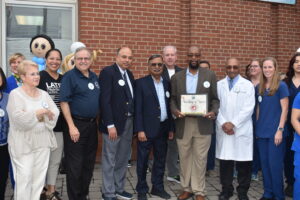
Endo-Surgi Center proudly celebrated its 30-year anniversary with a special ribbon-cutting ceremony, joined by Mayor Bowser and Senator Cryan. During the event, the center was honored with a formal proclamation declaring it Endo-Surgi Center’s 30th Anniversary Day, recognizing its longstanding service and impact on the community.
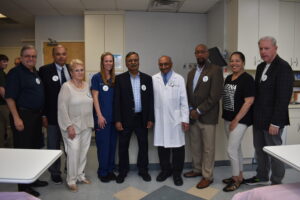
Guests had the opportunity to tour the facility, and members of the Township Committee interviewed Dr. Samiappan Muthusamy and Dr. Pradeep Mahal to commemorate the milestone.

The celebration was a heartfelt tribute to the physicians, nurses, and staff whose unwavering dedication and compassionate care have served patients for three decades.

Congratulations to the entire Endo-Surgi Center team on this incredible milestone! Here’s to many more years of exceptional care and continued excellence.

Filed Under: News Tagged With: 2338

Hudson Crossing Surgery Center Supports Walk to Cure Arthritis

June 8, 2025 by Emily Grant

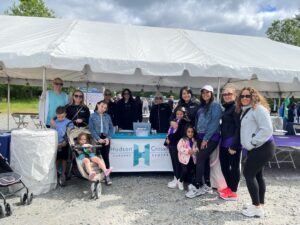
On Saturday, June 1, team members from Hudson Crossing Surgery Center proudly participated in the Walk to Cure Arthritis at South Mountain Recreation Complex. The event brought together healthcare professionals, patients, families, and supporters to raise awareness and funding for arthritis research and joint health initiatives.

By hosting a booth and joining the walk, our team helped support the Arthritis Foundation’s mission to find a cure and improve the lives of those affected by arthritis, the nation’s leading cause of disability.



We thank everyone who stopped by our booth, walked alongside us, or supported the cause from afar. At Hudson Crossing Surgery Center, we are dedicated to helping patients get back to the things they love by improving joint health and mobility.

Learn more about how Hudson Crossing can help you return to an active, pain-free life.

Filed Under: News Tagged With: 2268

  • « Previous Page
  • 1
  • …
  • 4
  • 5
  • 6
  • 7
  • 8
  • …
  • 88
  • Next Page »